


What can you encounter along the trails of Alagna Valsesia in spring? Molting ibex, marmots just out of hibernation, female chamois with their newborn young. The Alta Valsesia Natural Park turns into an open-air documentary.
Like eyes opening to a new day, the nature of the Alta Valsesia Natural Park prepares for the season of light and life. May is the month when everything is reborn—and those who walk slowly, in silence, can witness it firsthand.
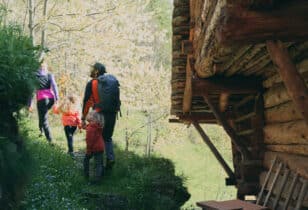
Set off unhurriedly along the trail that leads from Acqua Bianca toward the Turlo Pass, just a short distance from Alagna Valsesia. The goal is not the summit—that is still buried under snow—but the wildlife of the forest. Walk slowly, letting the sounds and silences of the larch woods take over.
Just 15 minutes from the start, a little beyond the junction for Alpe Fum Bitz, you’ll encounter the first protagonists: male Alpine ibex (Capra ibex), still drowsy, rubbing against trees and scratching themselves with their scimitar-shaped horns.
It’s the season of spring molting: as temperatures rise, the winter coat gives way to the lighter summer one. The ibex’s imposing horns—symbols of dominance during male clashes—become practical tools to speed up this seasonal change.
👉 Learn more about the ibex in the Alta Valsesia Natural Park
Continuing along the mule track through the larch forest, after about 20 minutes you’ll reach the alpine meadows. Between late May and early June, female ibex retreat to rocky ledges to give birth. The newborns rest close to their mothers, who carefully watch over every movement.
Higher up, female chamois (Rupicapra rupicapra) also guard their young. More elusive than ibex, chamois can usually be observed only from a distance—they can be seen licking mineral-rich rocks freed from snow and grazing on the season’s first tender grass. Mothers keep a close eye on the sky: the golden eagle is the main predator of newborns.
Climbing higher, you enter the territory of the Alpine marmot (Marmota marmota), one of the most iconic rodents of the Alps. Just out of hibernation—which begins in late September and lasts until late spring—the marmot is extremely busy: eating after months of fasting, giving birth, and above all teaching its young the rules of survival.
With patience, you can witness real survival lessons: how to stand guard on rocks, recognize alarm whistles, and quickly hide in case of danger. The threats to watch out for? Us hikers, eagles, and the bearded vulture.
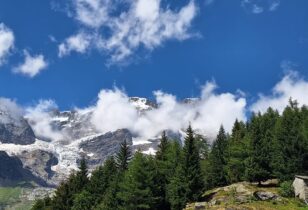
The Alta Valsesia Natural Park is one of the wildest protected areas in Piedmont, nestled among the slopes of Monte Rosa. In spring, it becomes an extraordinary wildlife observation area, accessible even to non-expert hikers.
What to observe and when:
👉 Discover all the wildlife of the Alta Valsesia Natural Park
Looking for a live nature documentary? The Alta Valsesia Natural Park is waiting for you. Alagna Valsesia is the perfect starting point for nature excursions in every season.