



What is an ecomuseum?
Let's start by understanding what we are talking about and then get to know it.
By ecomuseum we mean everything that belongs to the culture and tradition of a territory: sites, customs, culture of ‘know-how’. In short, the whole that tells the story of yesterday and today of a community.
Having clarified this, is Alagna Valsesia an ecomuseum? One might say so.
Perhaps not quite so, but almost.
Where you go, you find centuries of history, there is no escaping it. But then why ever escape!
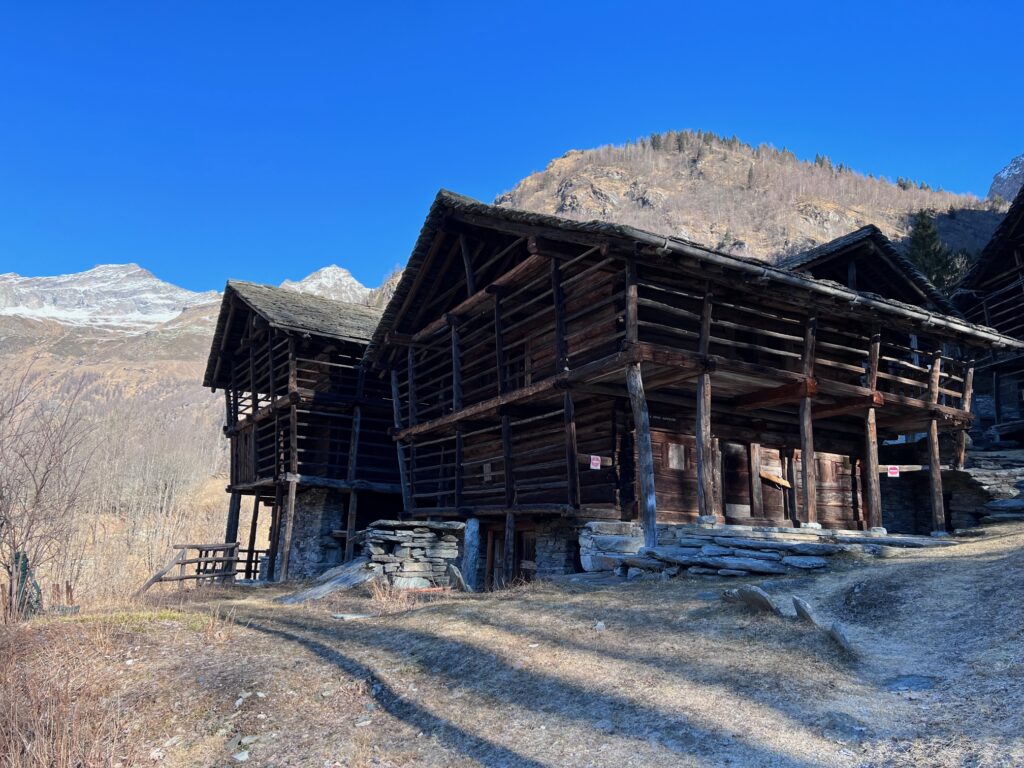
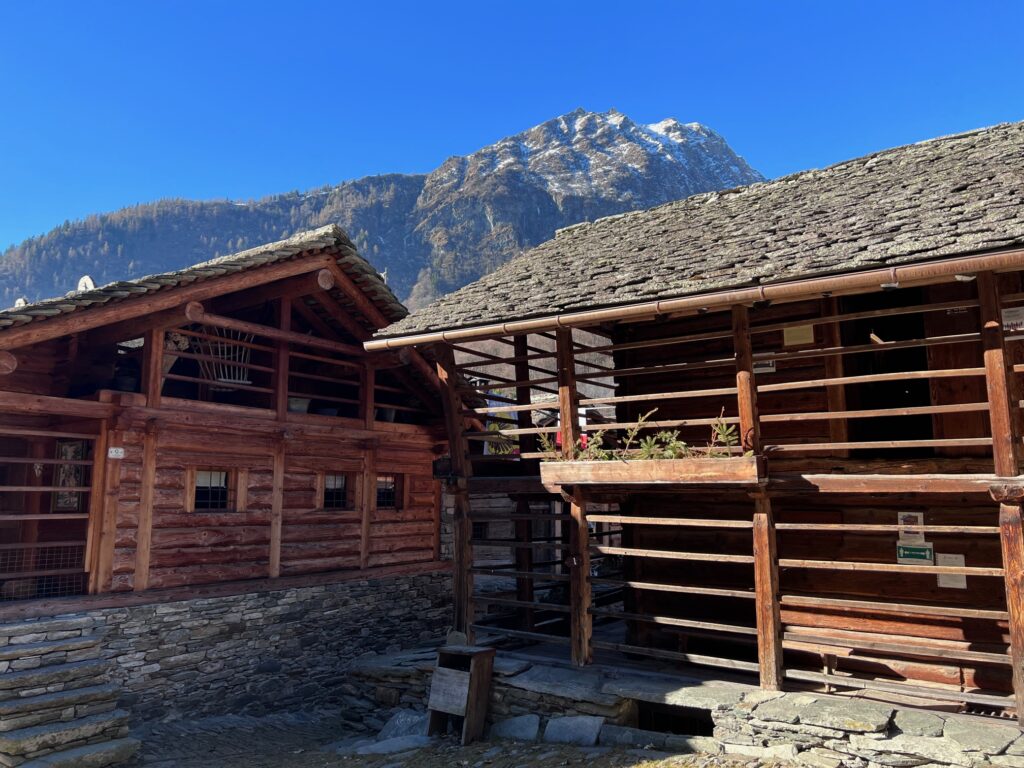
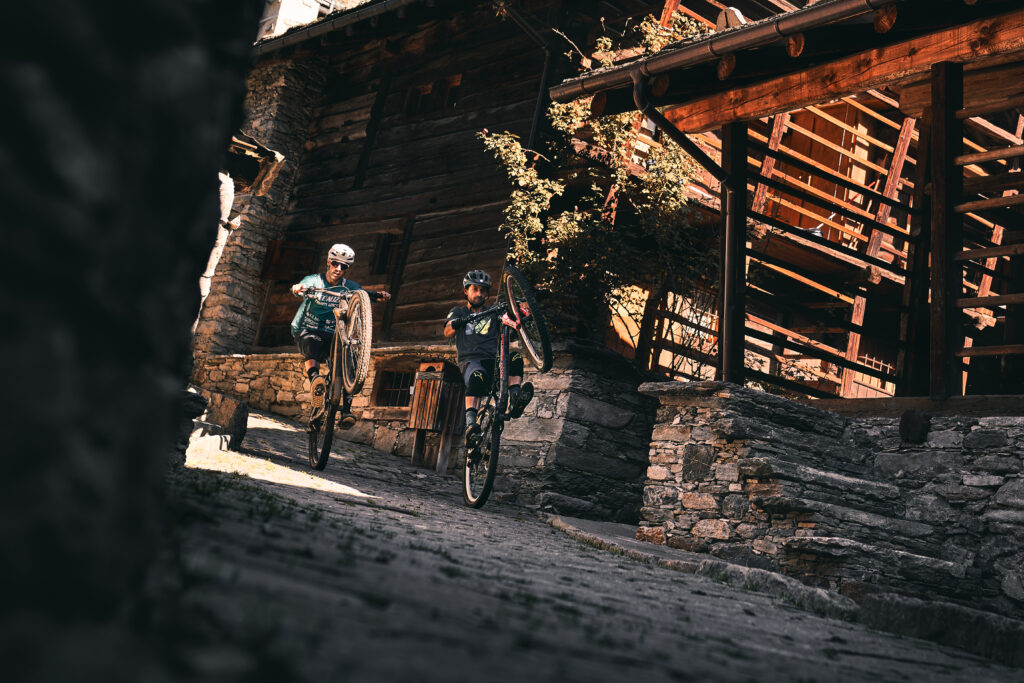
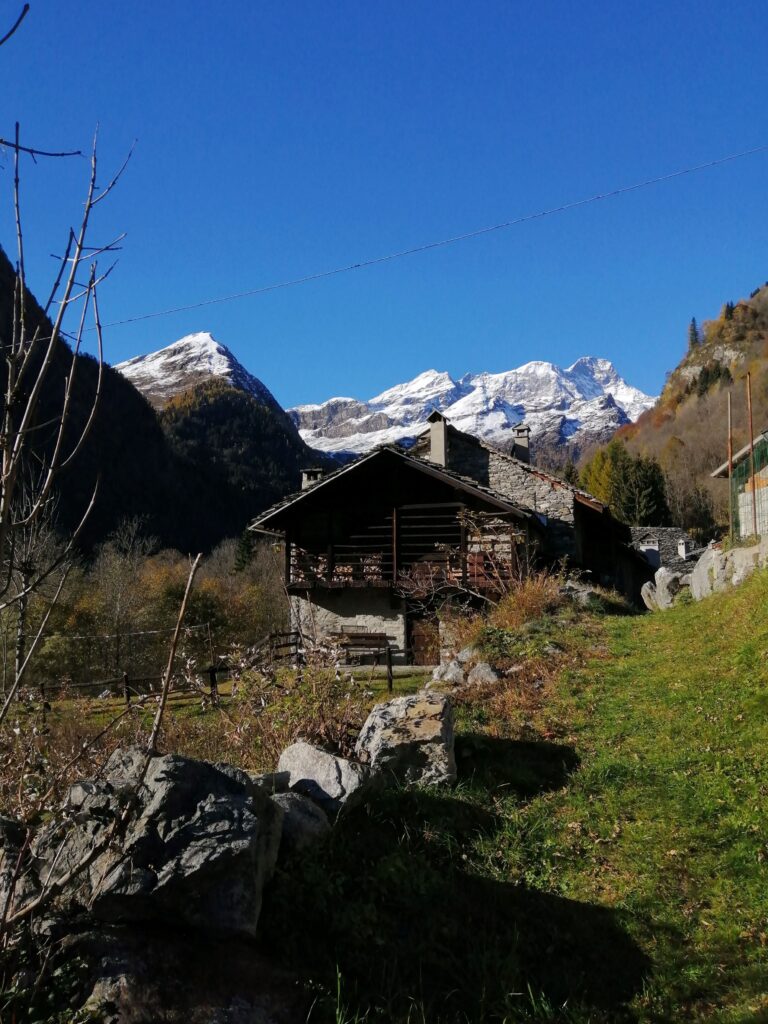
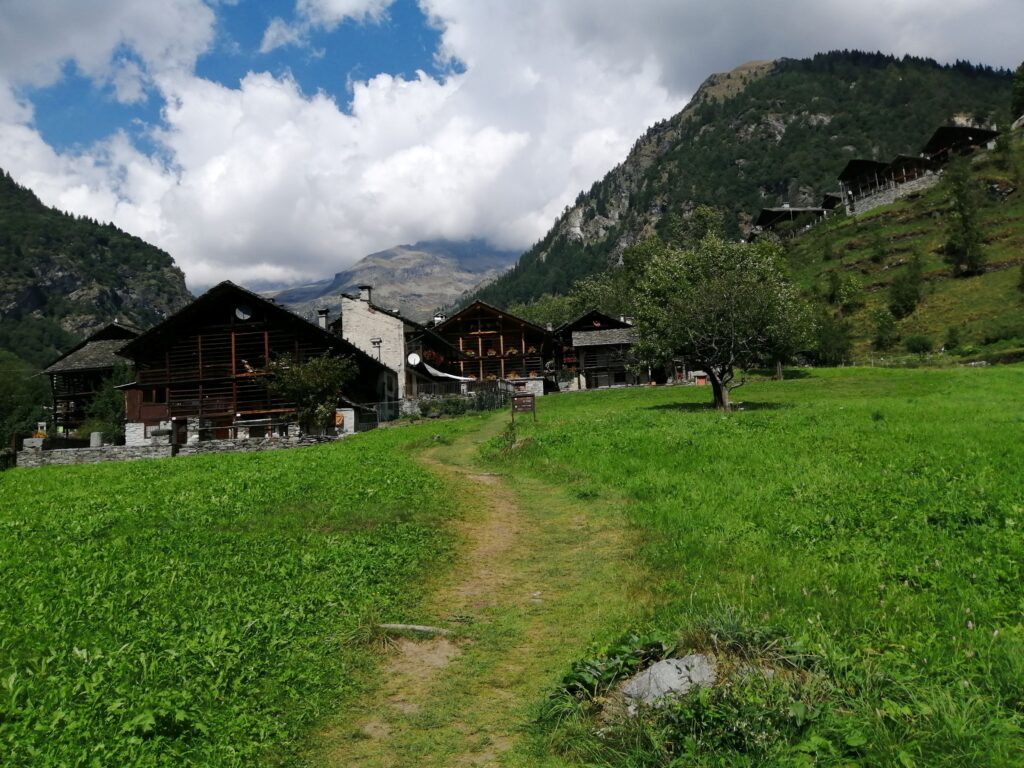
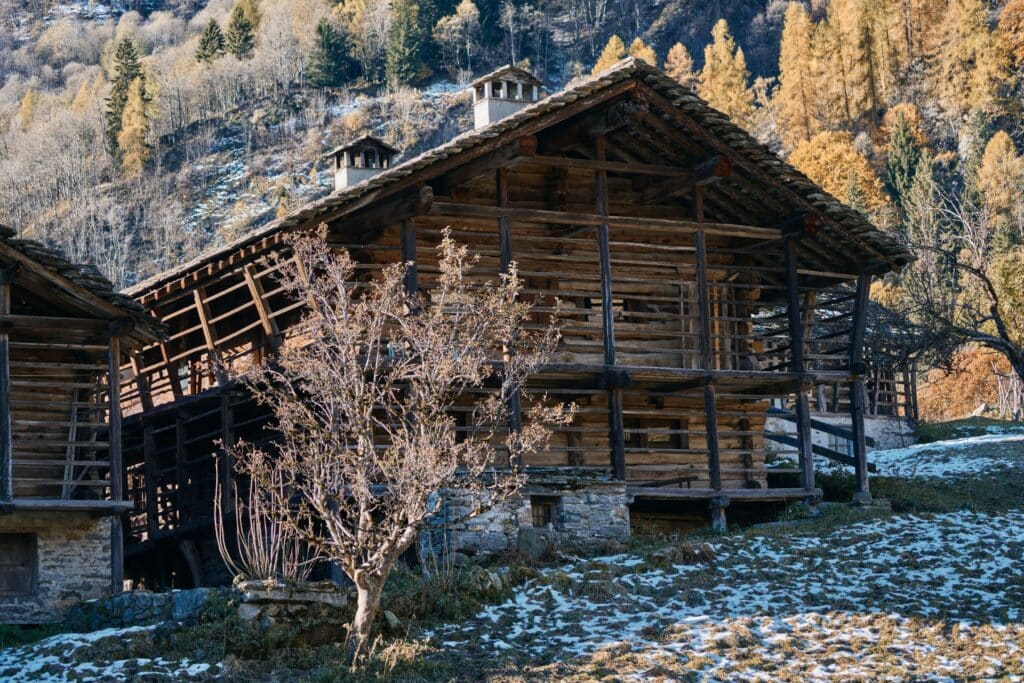
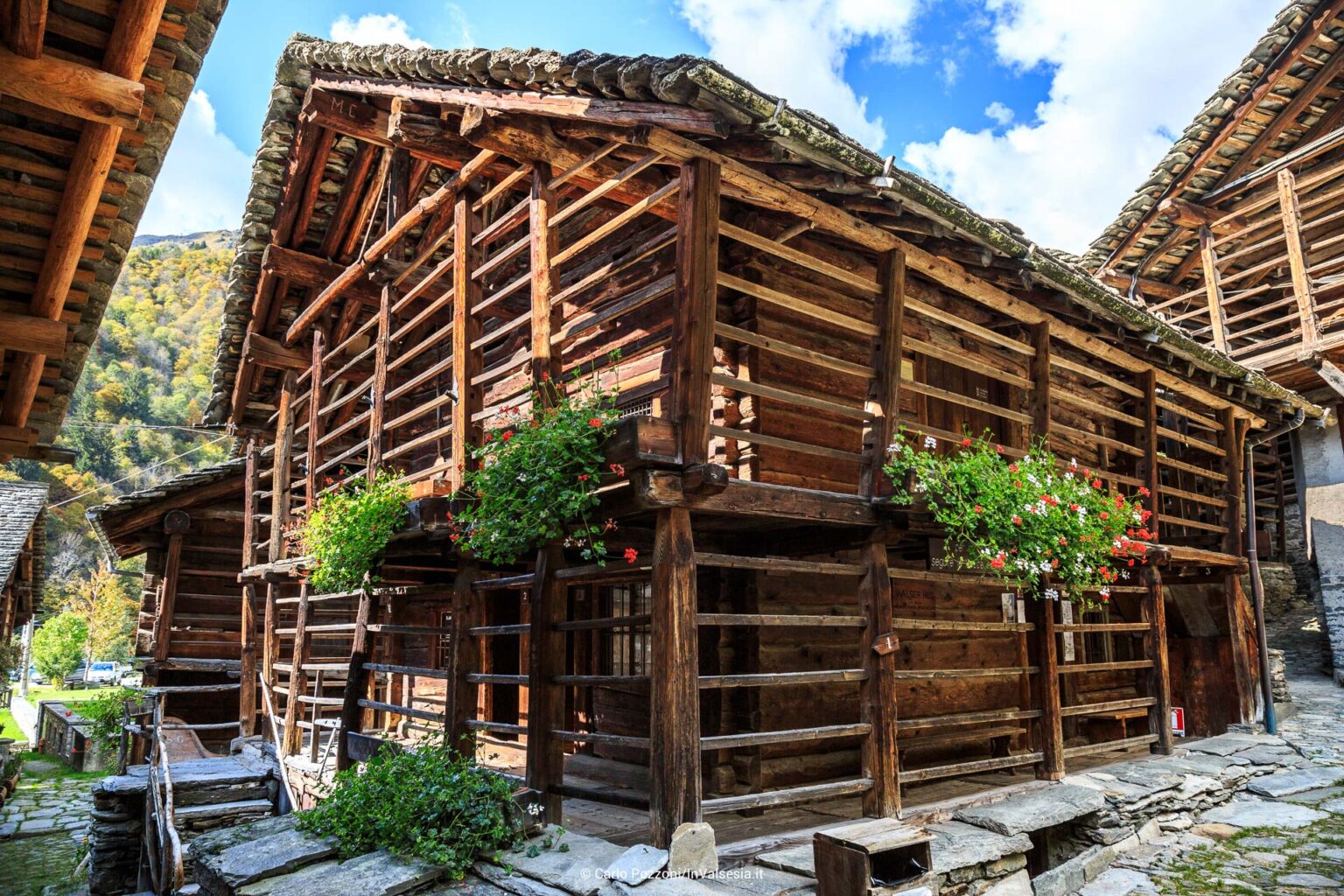
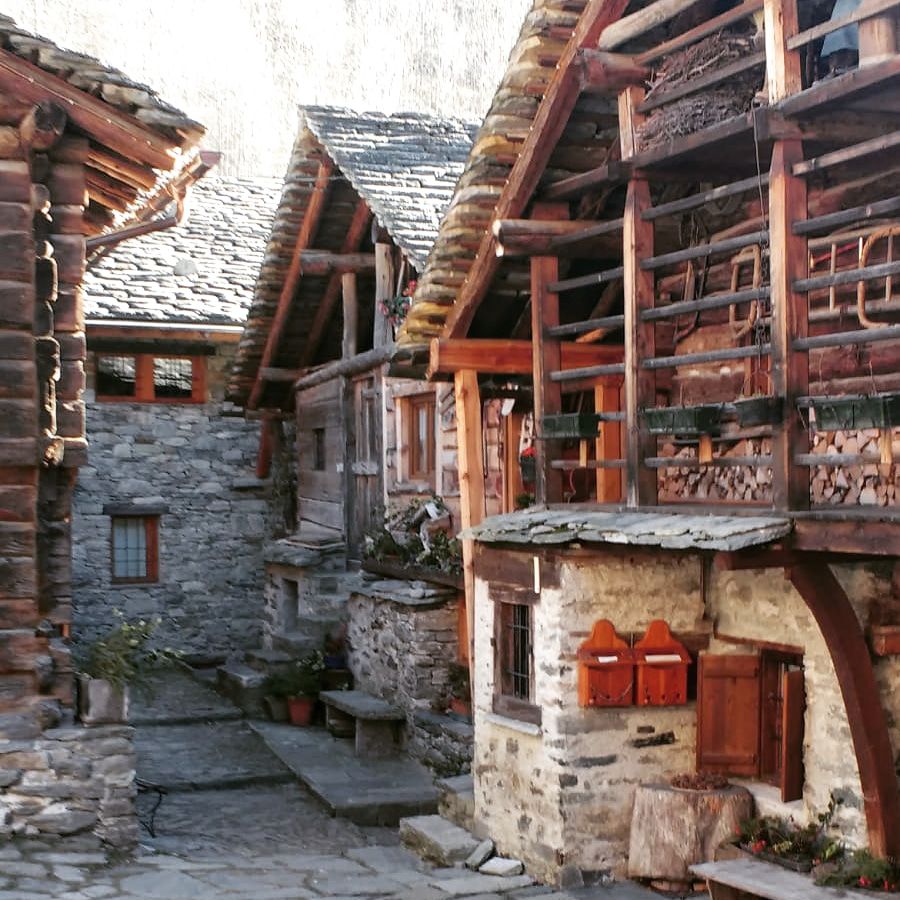
Easy paths connecting the old hamlets lead you to immerse yourself in the Walser architecture that will welcome you with a typically Teutonic mixture of warmth and severity.
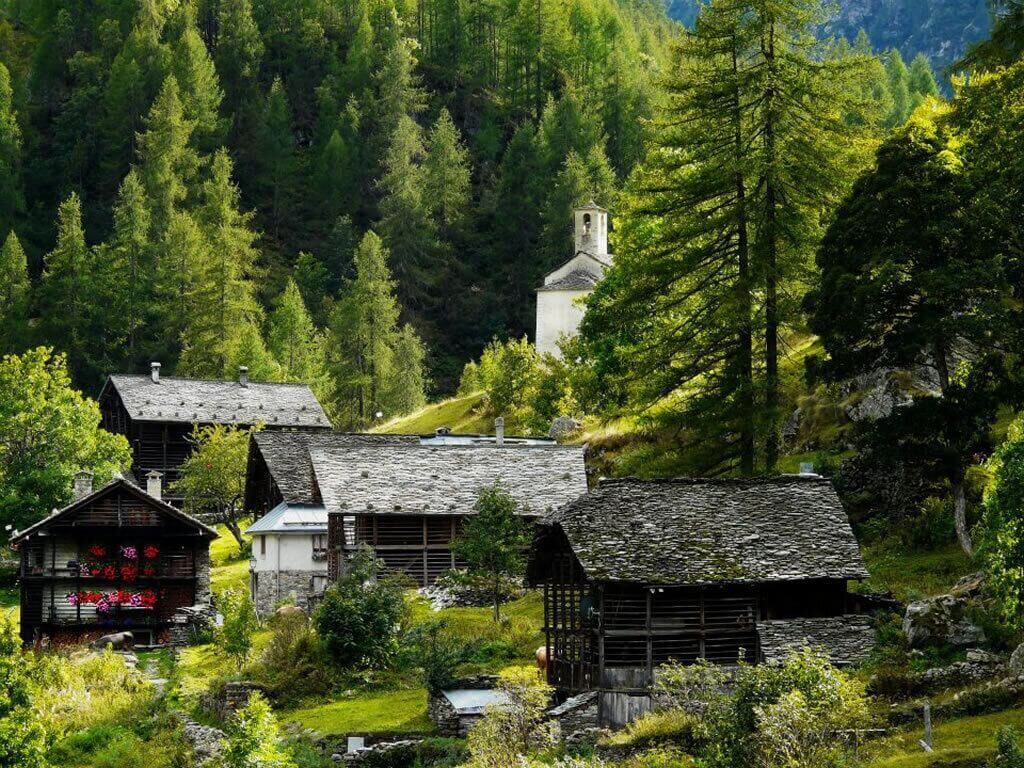
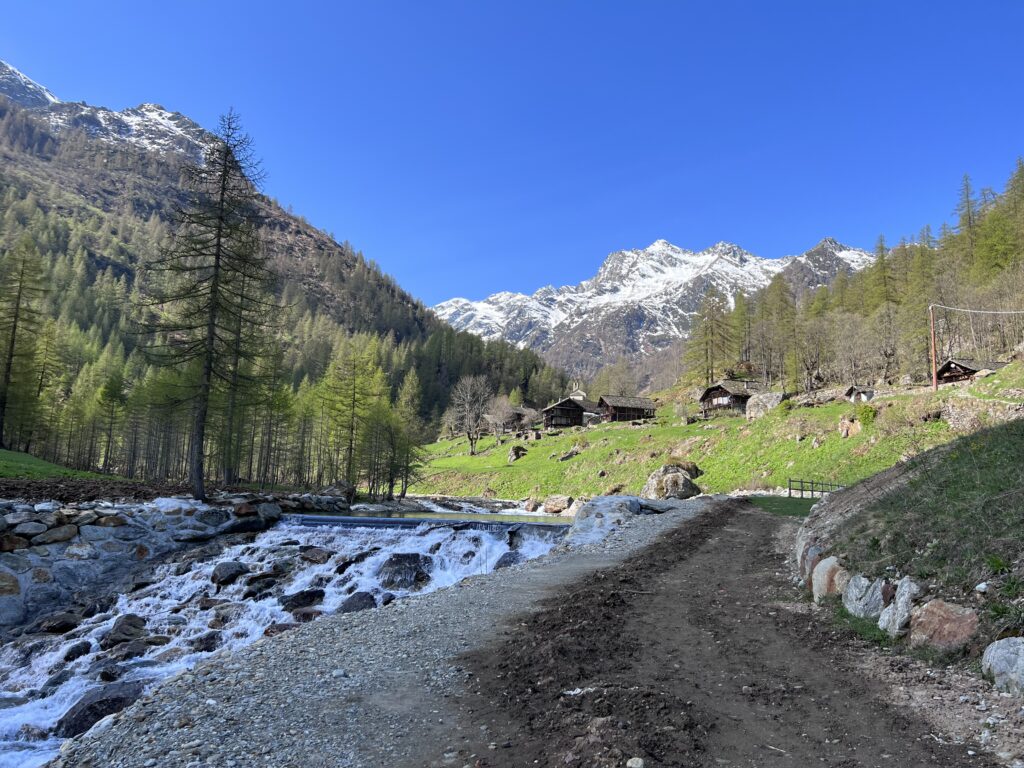
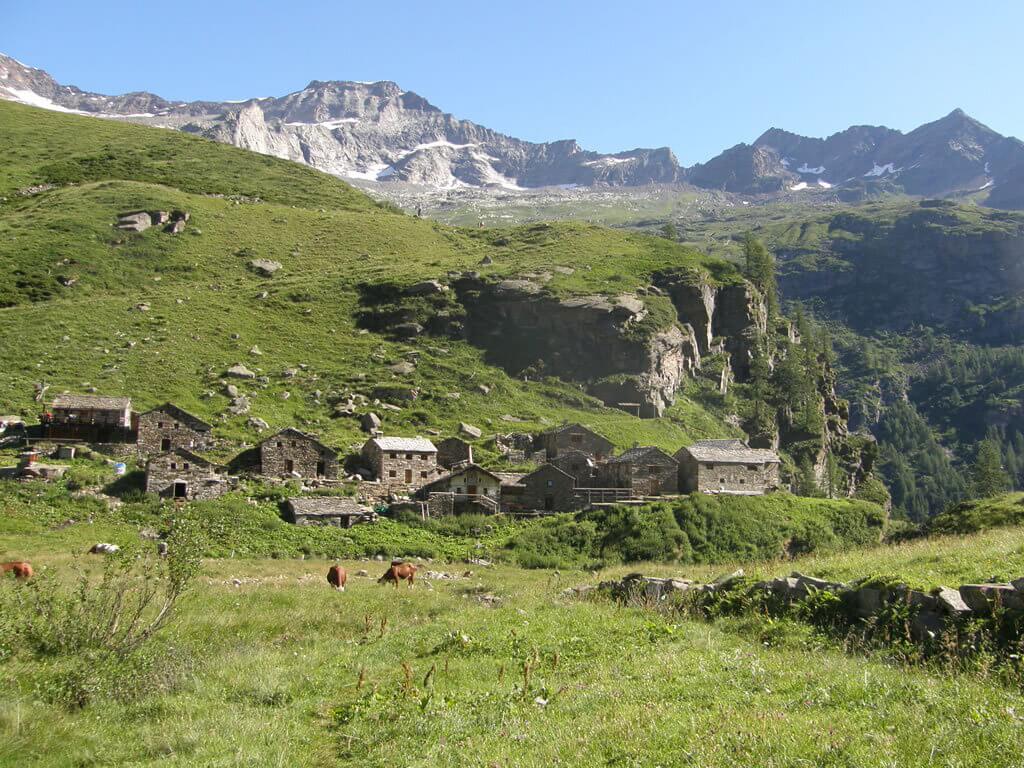
The entire route of the high hamlets of Val Vogna is an ecomuseum route that develops in a harmonious colour play between the warm burnished colour of the larch houses and the green vegetation. The itinerary touches several Walser hamlets, each with its own particularity to show.
In Rabernardo you can immerse yourself in the daily life of a Walser house museum.
This is what unites the hamlets of Alagna. Ancient paths connecting the hamlets that gave life to Im Land
Then there are the sites within trails, which are the characterising expression of certain aspects.
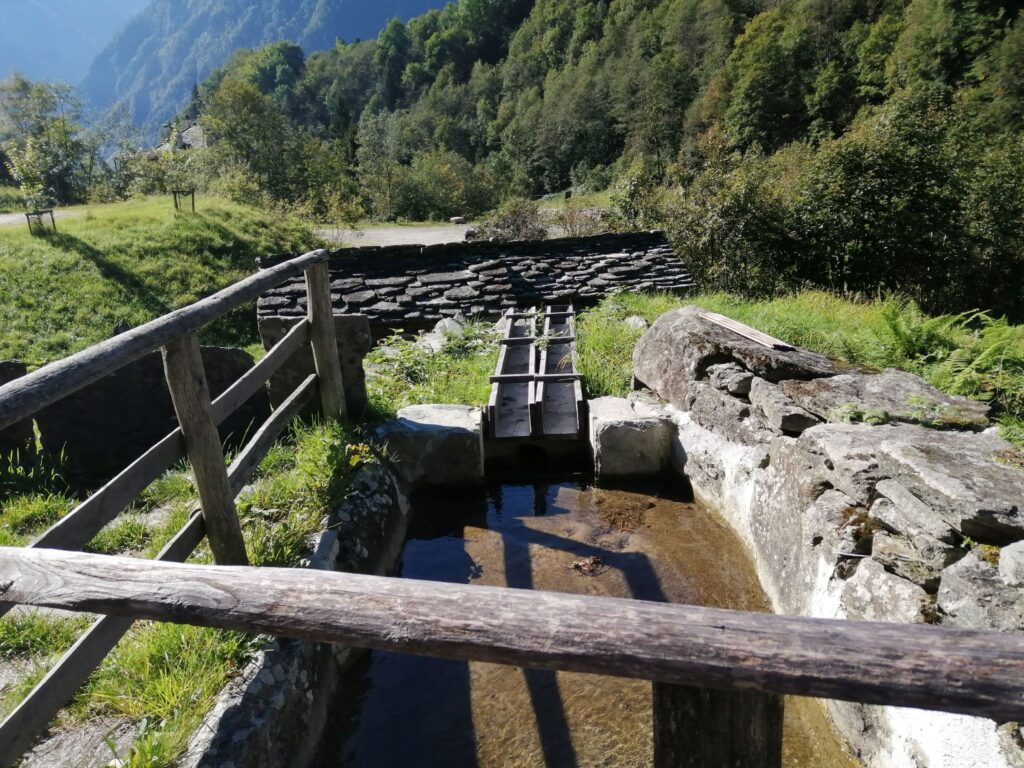
The hydraulic sawmill in the hamlet of Resiga
The power of water combined with man's ingenuity and wood coming to life in new forms.
Unione Alagnese Theatre
historic building from 1900, a lively meeting place for the town's cultural associations.
The stage sets by Ercole Sormani and the Ars et Labor by Camillo Verno on the sides of the stage are well preserved.
In summer, between late July and early August, it hosts the Alagna Music Festival under the direction of Simone Pedroni, a famous pianist. This year we are at the Eleventh Edition
The mills in the hamlet of Uterio
Small stone huts dating back to around 1500, fed by a small branch of the Sesia river.
Recently restored for operation; an immersive experience in this small open-air museum.
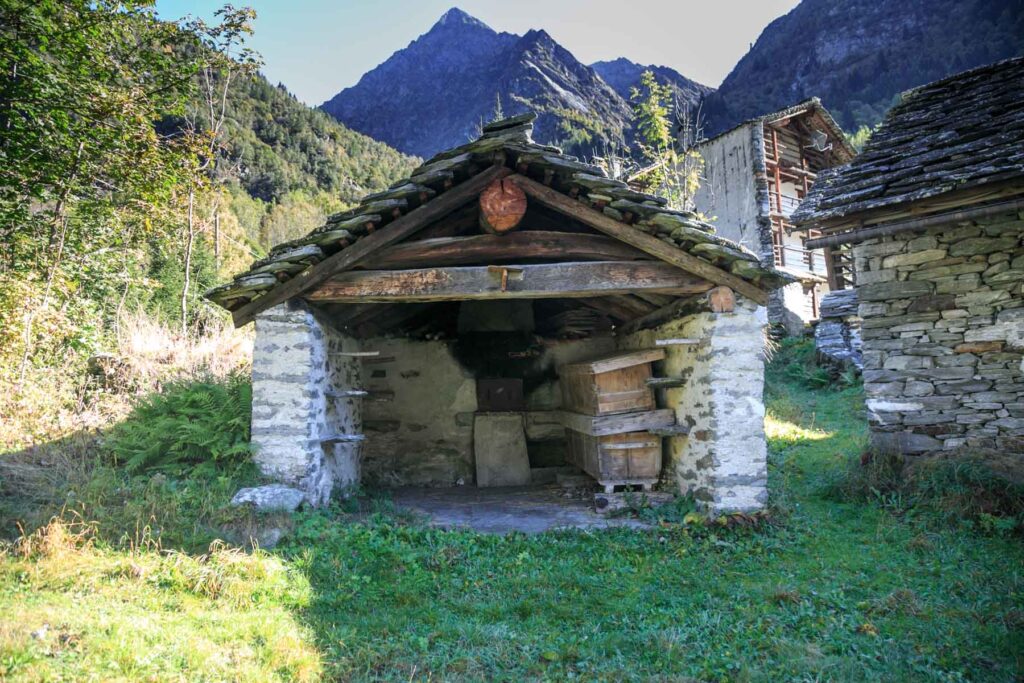
Fractional bread ovens , The Ronco bread oven forni del pane frazionali ,
Present in every hamlet for the fundamental collective and community ritual of bread baking.
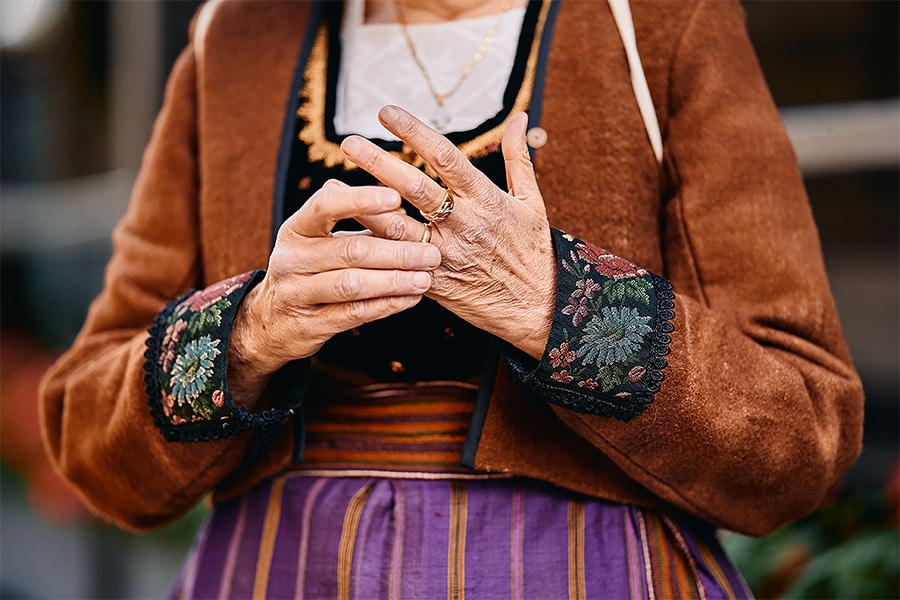
. The Walser Museum in the hamlet of Pedemonte a place that captures the essence of the daily life of the Walser community over the centuries.
The answer to the initial question is therefore :
YES!!!
Alagna is an ecomuseum of Walser culture for all these aspects and for all that is its ‘know-how’ built up over the centuries.
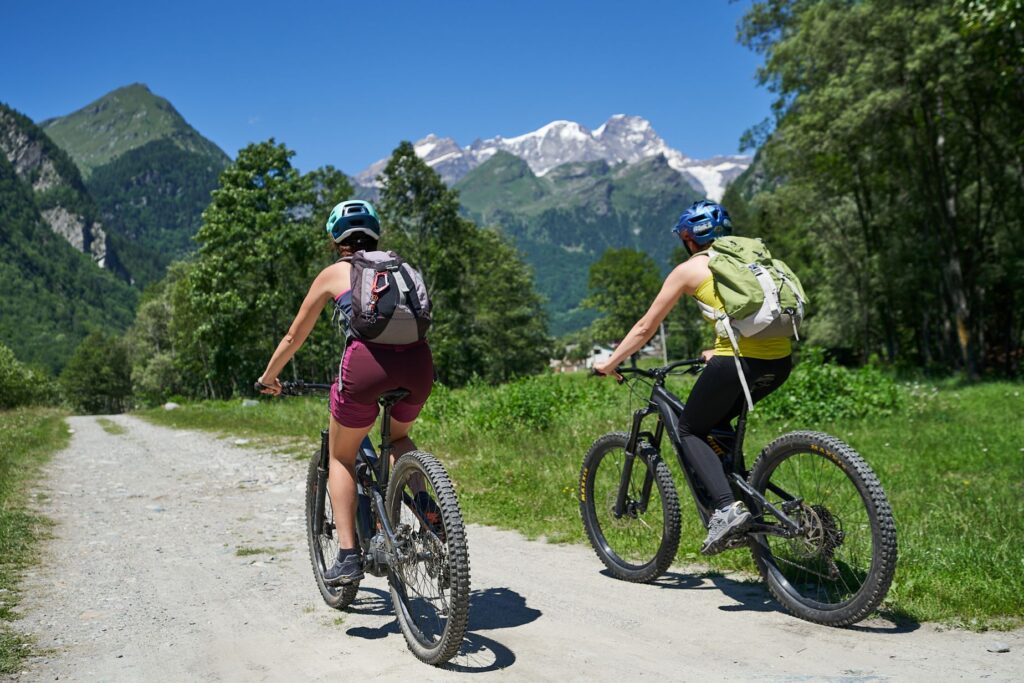
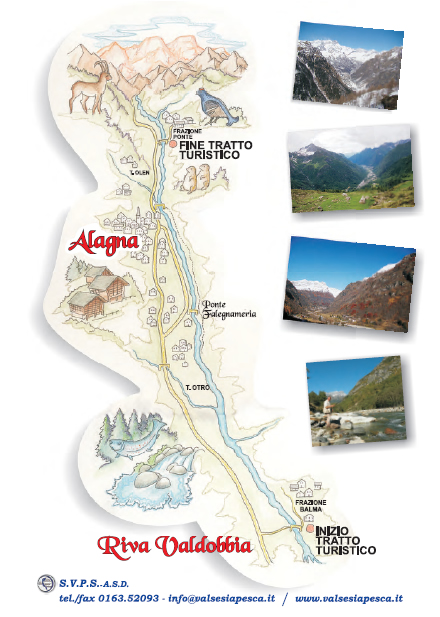
The Valsesia cycle path to Alagna, coming from Varallo, begins at Dinelli, in Scopa.
We soon realise that this is not the traditional paved city cycle path but a varied dirt track through forests, streams, meadows and hamlets.
We immediately connect with the nature around us and ride the 25 km always following the Sesia river.
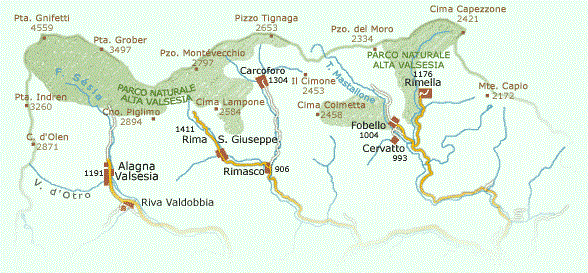
At the tunnels shortly after the hamlet of Buzzo, in the locality of Riva Valdobbia, we turn to the orographic left and continue on the same slope for about 4 km.
Pink like the pink jersey cycling we deserve!
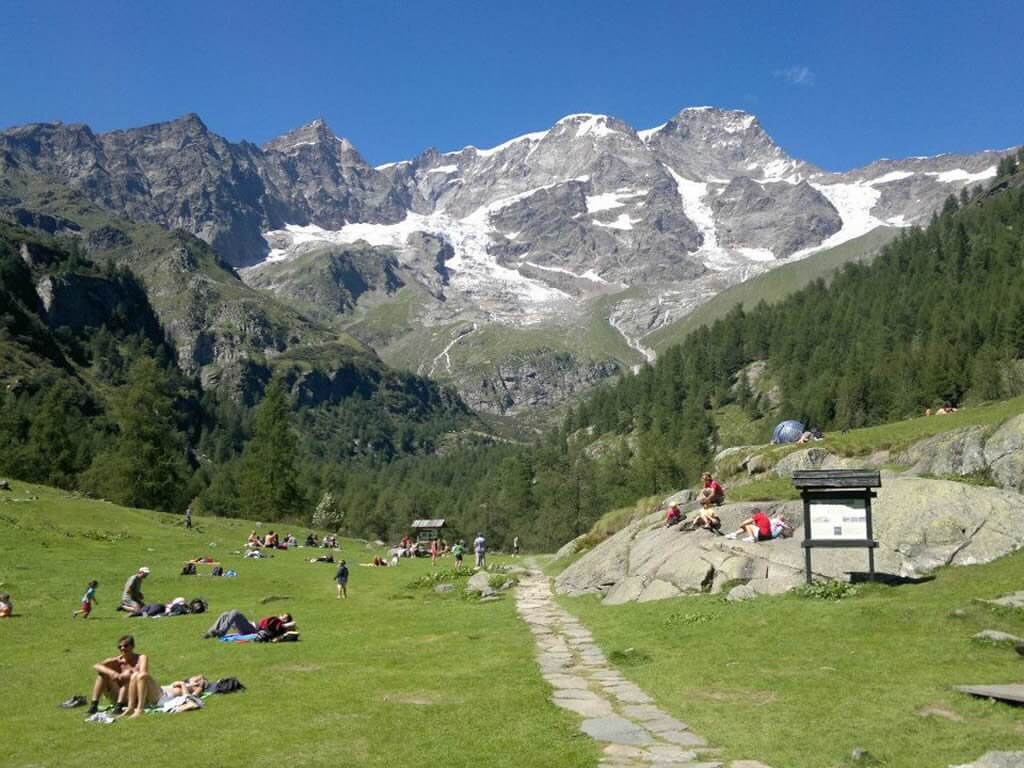
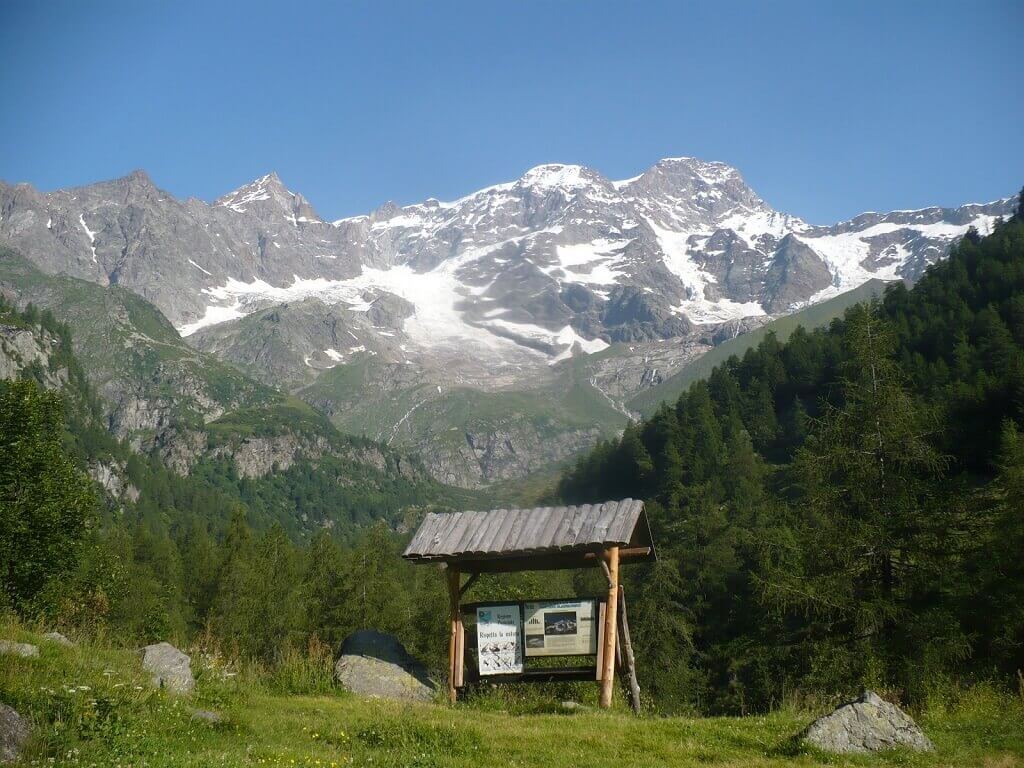
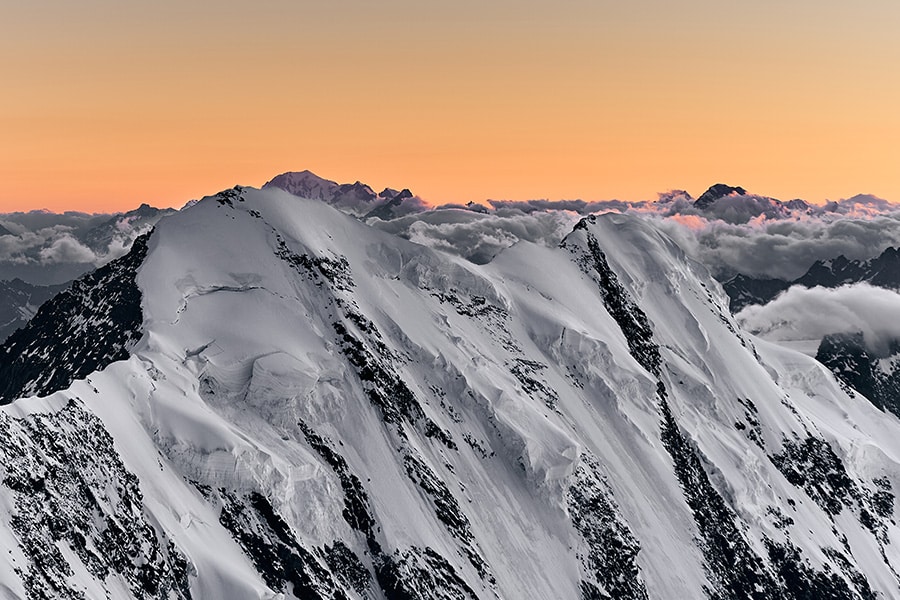
Monte Rosa appears to us in all its majesty, it feels like touching it.
As we approach the village, we encounter the sports area of the Severina Centre.
If your energy begins to wane, we recommend a stop with a view at the area's Lo Chalet refreshment point.
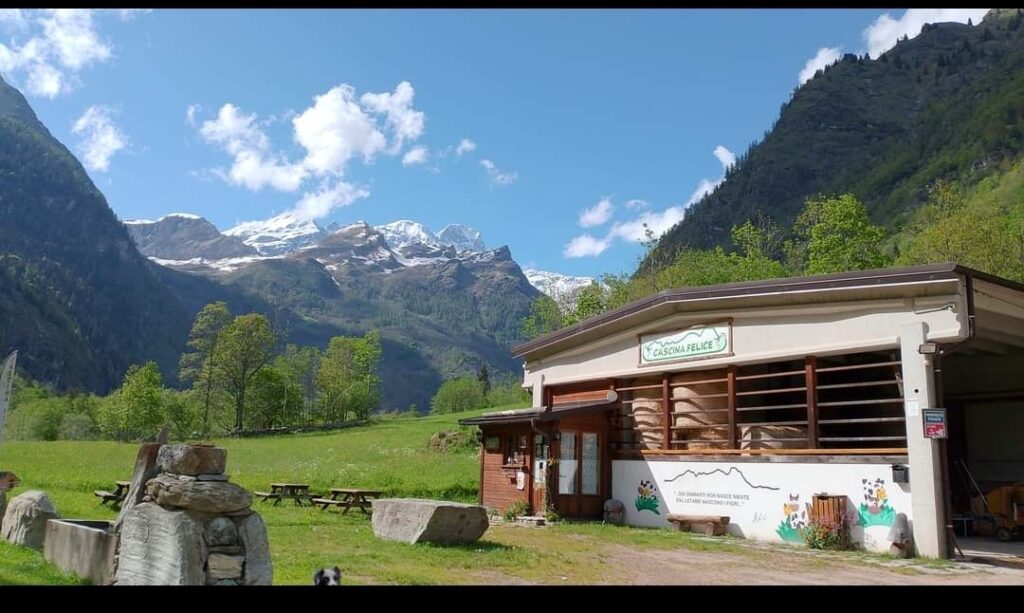
If, on the other hand, your energy allows you to continue, cycling past ancient architecture and touching on Cascina Felice, you will soon arrive in Alagna, Im Land.
“Das iar siged Woulchemmi Im Land za fiasse z’Gourner’s Gletscher”
"be welcome in Alagna at the foot of the Monte Rosa glacier".
This is how the ancient Walser people who founded Alagna in the distant past would welcome you.
While maintaining a strong linguistic and cultural identity, Alagna is moving towards modernity by trying to combine tourist development with the right use of the territory.
Having made this effort, it is well worth the effort to reach the oldest Walser hamlets.
If you covered the entire route with a classic mountain bike, congratulations!
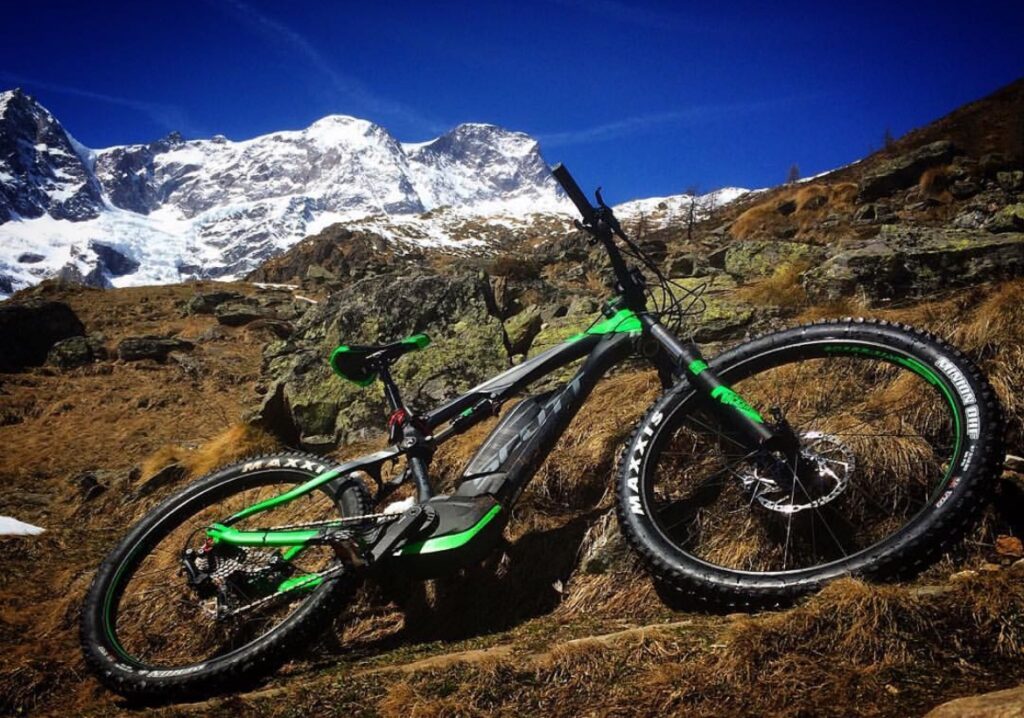
If you used an e-bike, congratulations all the same, but it will be useful to know where you can recharge it:
If you have the chance to stay a few days in Alagna, you will find routes for everyone and routes for experts.
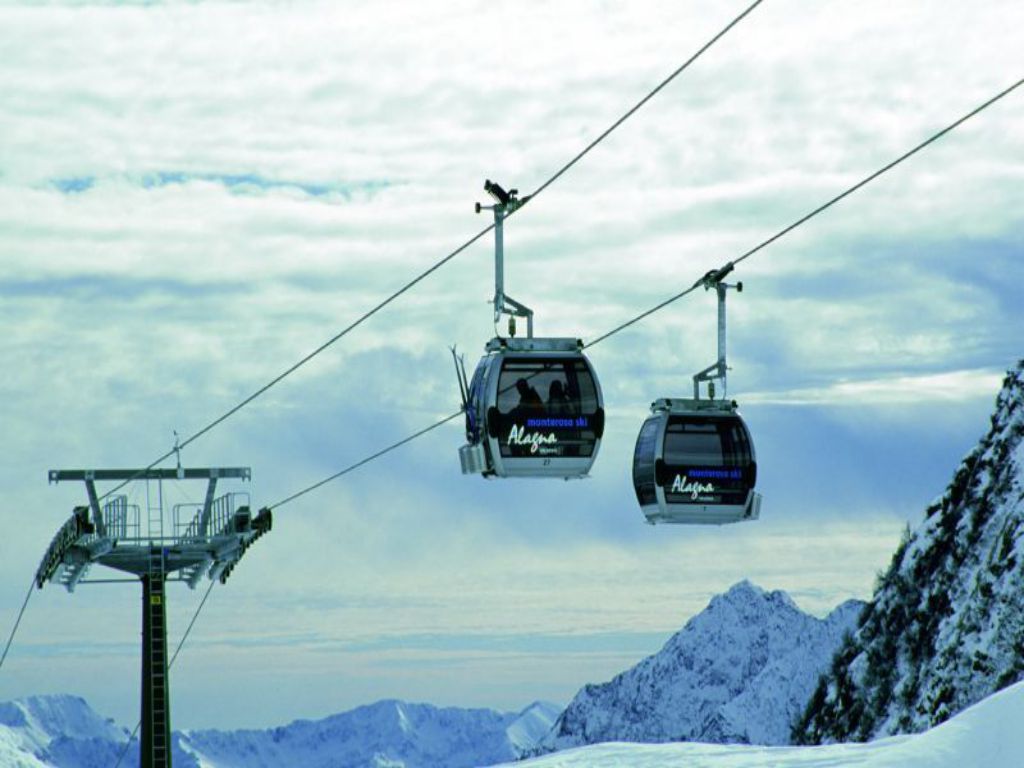
You will also be able to use the ski lifts and face an adrenalin-fuelled descent!
Otro, sweet steep valley'.
This is how the valley is mentioned in a village song
The valley we are about to get to know is in the heart of every people in Alagna.
It is a lush green valley, lived in for centuries and a popular destination for every one.
Our journey begins here, driven by curiosity about the place that enchants everyone.
We start with the Alagnese Union Theatre, a perfectly preserved historic theatre from the early 1900s.
One hundred and twenty-four years and not feeling it!
In the hamlet of Reale di Sopra, we pass a beautiful house with a fresco on the façade depicting the Madonna and Child. How much grace and skill if we think that these ancestors of ours lived from farming and stockbreeding.
We take the well-marked path 203. The steps impose silence, breath must be saved and
after 10 minutes, here is the first stop.
The view that opens up between the trees lets us admire the whole of Alagna. A sign indicates 'Der Spiegel', the mirror, a very apt name! As we follow the path, we come across huts and the remains of terraces used as fields.
Every corner, every clearing shows signs of man's work
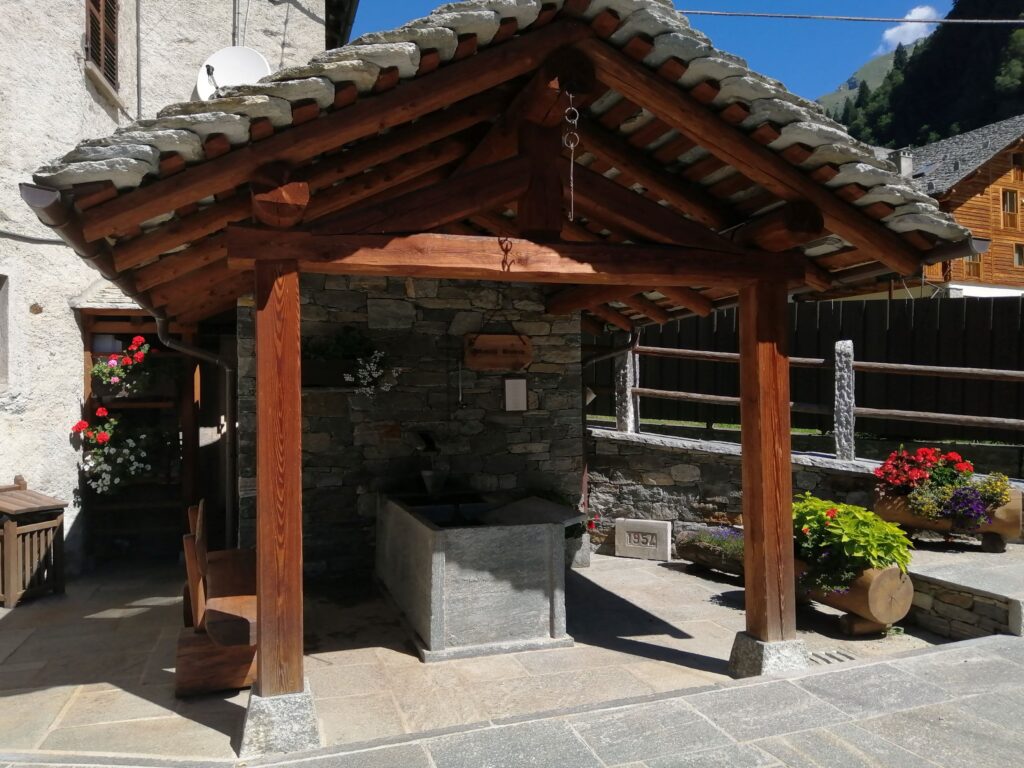
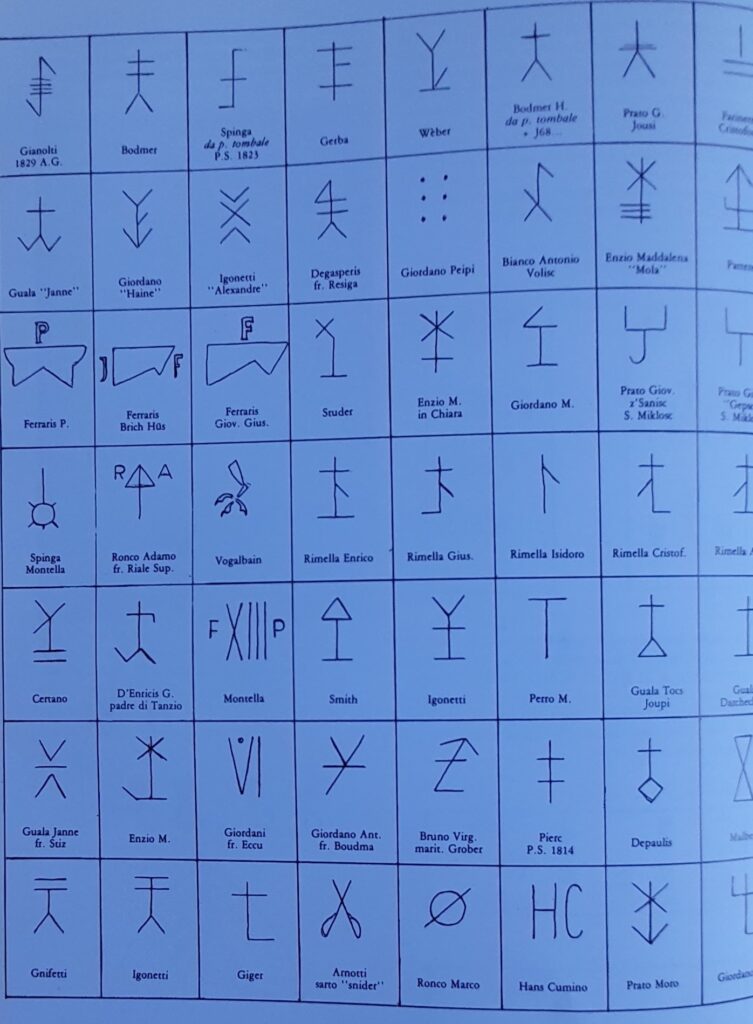
About halfway along the route we find a stone fountain engraved with some bizarre signs or runes.
These are the 'Huszaiche' symbols of the Houses of the Alagnese Families. They are signs that we find in all old houses, on door jambs but also on everyday objects, furnishings and work tools.
We realise more and more that the Walser were tireless workers, accustomed to the altitude and harsh climate but also artists, painters and sculptors.
And men of faith, ancestral faith. And, indeed, in a moment we come upon the" Stone of the Madonna" , where tradition says the hand of the Blessed Virgin is imprinted.
Our friendly Dolfi, an inhabitant of Otro, has honoured the place with an original painting and a prayer in Titszchu, the Walser language.
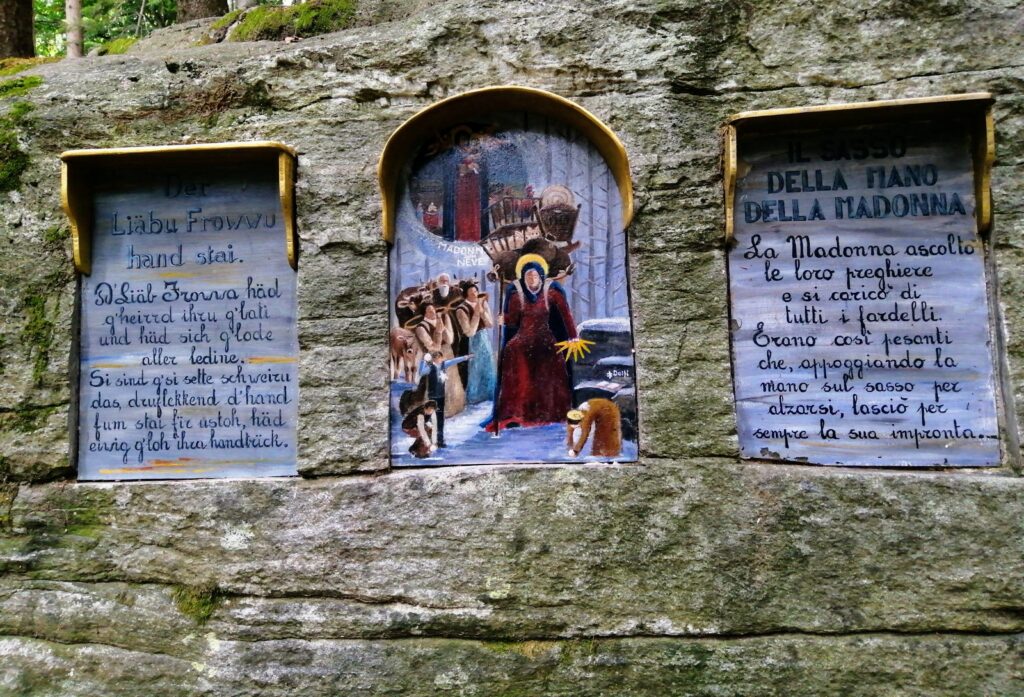
The route climbs through coniferous and beech forests.
If you pay attention, you can see squirrels scampering over the trunks in search of the seeds of the spruce cones (of which they are greedy). They are the acrobats of the forest and you will recognise them by their thick tail, which acts as a parachute and a balance.
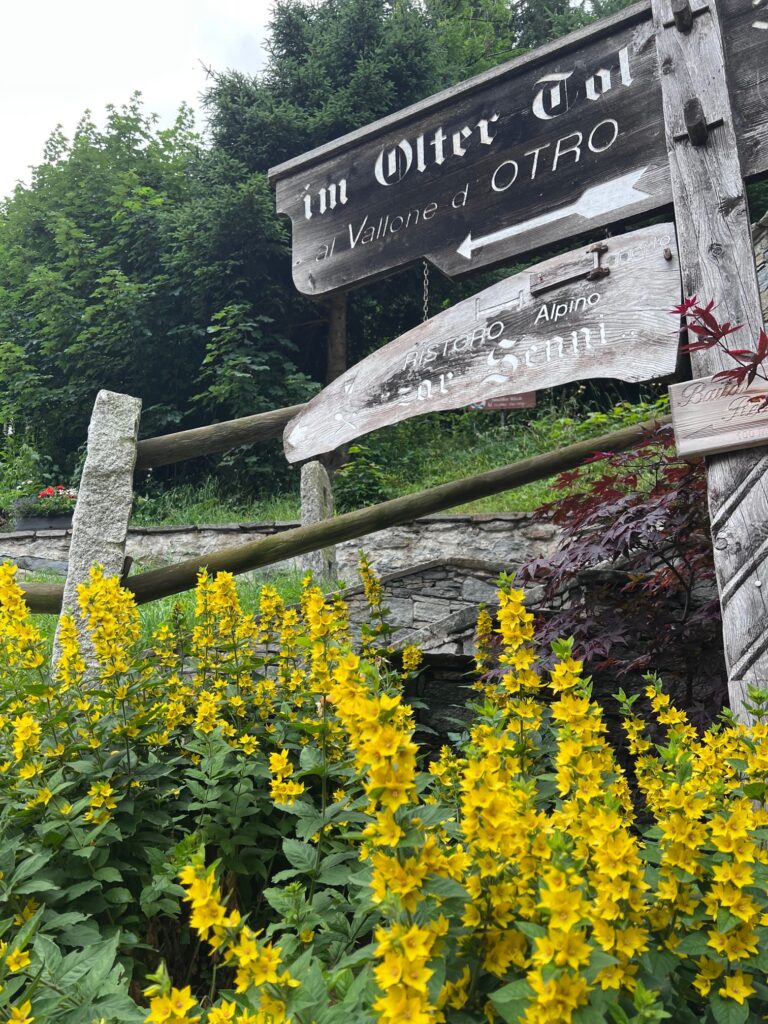
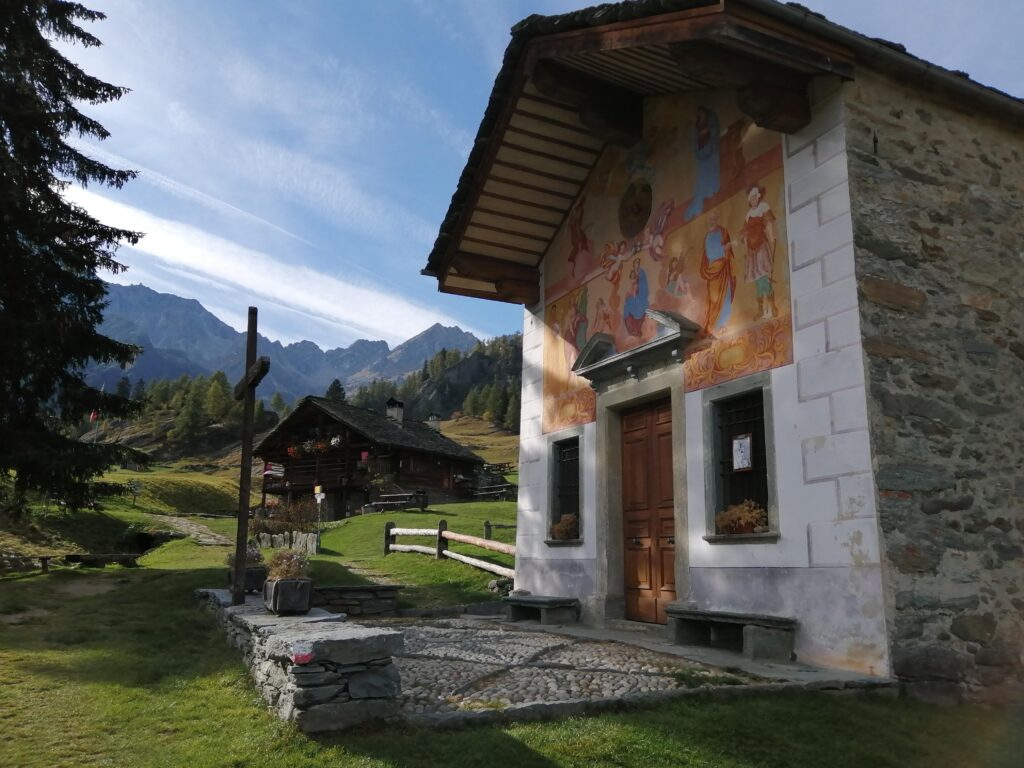
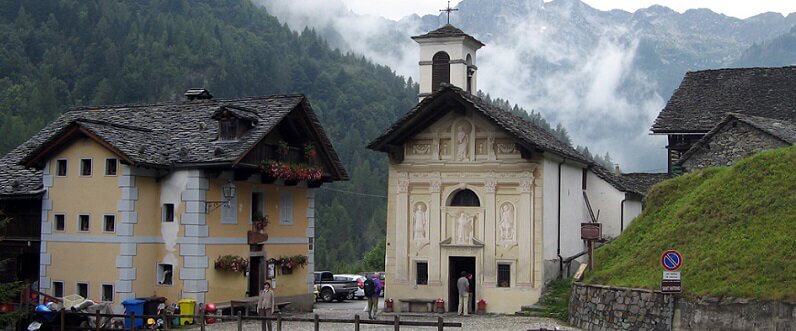
We arrive at the edge of the forest and the valley basin of Valle di Otro appears to us with its beautifully arranged larch houses and the little church of the Madonna della Neve, which is celebrated by the hamlets on 5 August.
Mark the date because the feast is accompanied by the songs and dances of the Folkloristic Group and it is possible to win some excellent dairy products at the offering auction that follows the Mass.
And if the aromas of the kitchen at Rifugio Zar Senni tickle your nose, you'll find the indefatigable Ivana intent on preparing some excellent game.
The polenta, on the other hand, is prepared directly in the cauldron outside; a field kitchen run by her husband Marco, and between drinks and laughter, no one is left empty-mouthed!
The names of the hamlets in the basin are not Italianised but are in such recurring use that you won't be able to forget them:
Feljeretsch the easternmost hamlet. In the old days, there was a tavern that has now come back to life as an accommodation facility
Follu (milk strainer) perhaps so called because there was the old dairy, now converted into a hut
Fum Tschukke (On the rock) and in fact directly built on the rock overlooking the valley.
(Passing between the houses from the hamlet you can reach the Belvedere from which you can enjoy the best view of Alagna).
Dorf, with its houses facing south, in line with the modern idea of energy saving in the third millennium.
The bread oven at the entrance to the hamlet has been restored and is fully functional.
We continue on and arrive at the last hamlet
Zar Skorpiu, the houses have engraved construction dates and we find some really old ones
1564,1594,1661.
Here, too, the oven is used for the traditional Bread Festival organised by the people of the hamlet.
Our journey ends here!
The Otro Valley, on the other hand, continues and you can reach alpine pastures, hills and passes, creating your own heart's route.
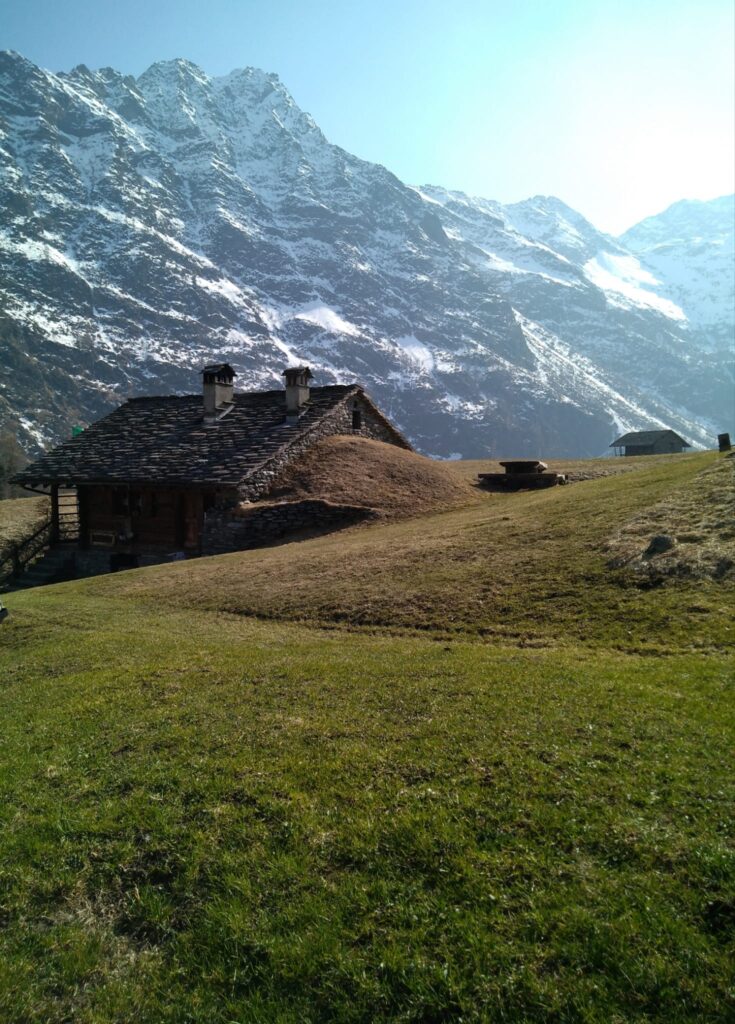
Do you know how we celebrate Republic Day on 2 June?
By valuing what the people of these lands held most dear, useful and green:
Cattle!
The Fair is organised by the municipality of Alagna-Riva in collaboration with the Unione Montana dei Comuni della Valsesia
For the occasion, the herds are left on display in Riva Valdobbia, in the area of the sports fields.
Days before, spaces, drinking troughs and all the hay supplies are prepared.
The Pietre Gemelle fair has, for some years now, been a regular meeting point for farmers in the area.
The night before, everyone is buzzing; it's a bustle of tractors and people that always culminates in an evening of feasting and conviviality.
The day has come!
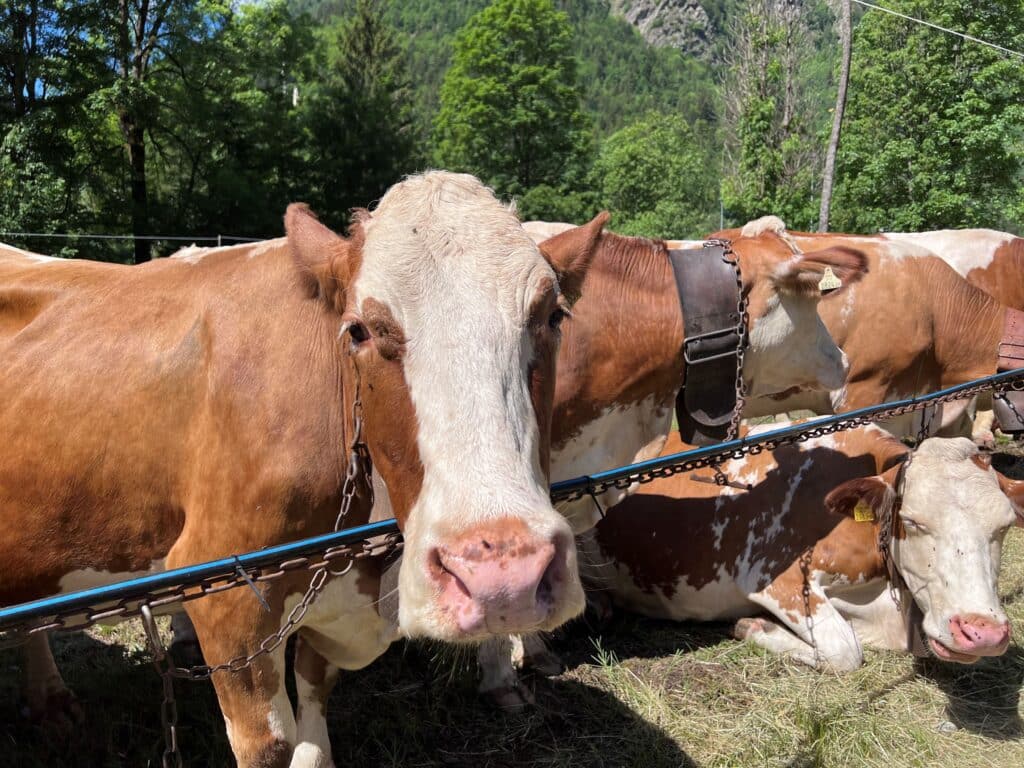
The cattle are festively decorated with the best cowbells and wreaths of flowers.
The herds arrive at a cadenced, almost monotonous pace, parading down the street like seasoned models (and they are).
The life of the cows is punctuated by the transhumance, herds of cows that sniff the warm June air to the Alpe and at the first gust of frosty air in September demonetise down into the valley.
Herds Fairs are generally held at the end of summer, for St Michael's Day, on the return from the alp and are an opportunity to do good business by offering dairy products from the high pastures.
We, who are original, like all the valley bottoms, propose it at the beginning of summer. We like to inaugurate the beginning of the season this way, as if it were a propitiatory rite.
The event also involves farms, craftsmen of wood and typical products, hobbyists and refreshment stalls.
You will be able to eat excellent polenta, our special miacce while strolling among stalls selling honey, cold meats and cheeses.
You will be able to buy Alpenstock (wooden sticks for walking in the mountains), leather boots, mountain clothing or see the lathe being used by skilled craftsmen.
You will see the best breeds of cattle, goats and sheep, and of course their products.
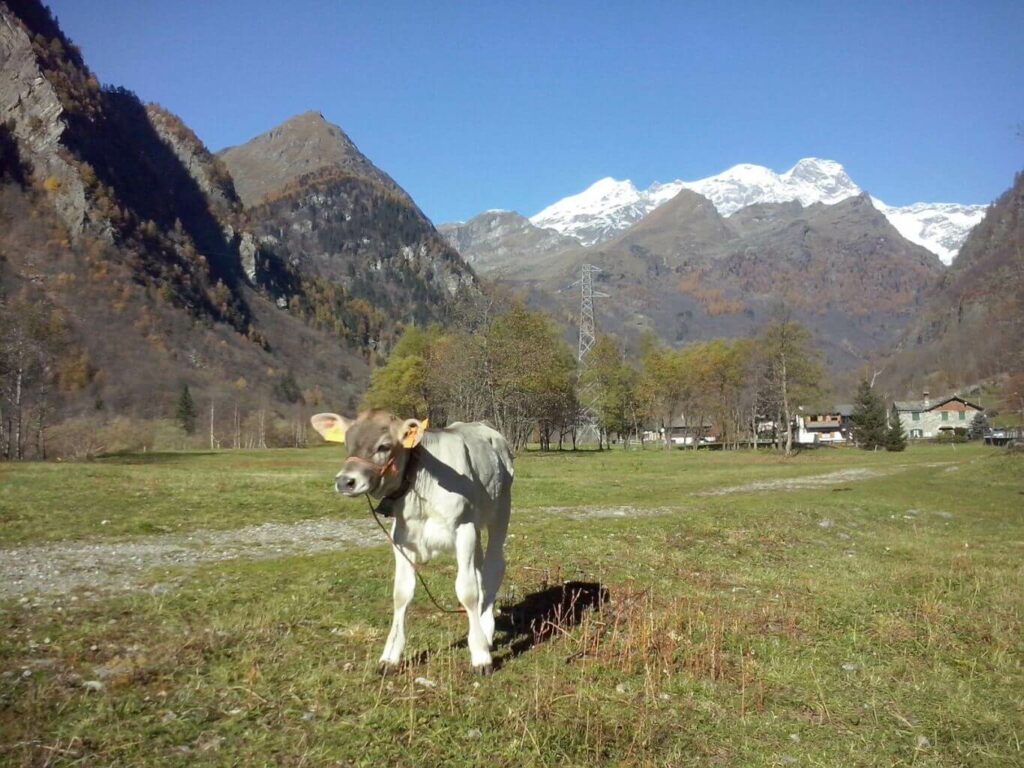
The most common breed of cow because it is indigenous is the Alpine Brown Breed (disappeared but recently reintroduced).
It is a robust cow, adaptable to steep terrain such as ours and versatile. It can be bred as a dairy cow (with a fair result) but is highly prized for the quality of its meat.
But you will see some beauties!
The Piemontese, Valdostana, Grigia alpina and Pezzata d'Oropa, all embellished and adorned, look like Clarabella.
Come and discover which one will be the Queen of the Herds!
Today, the reserved and shy mountain people open their doors to everyone and for one day we are all Heidi and Peter!
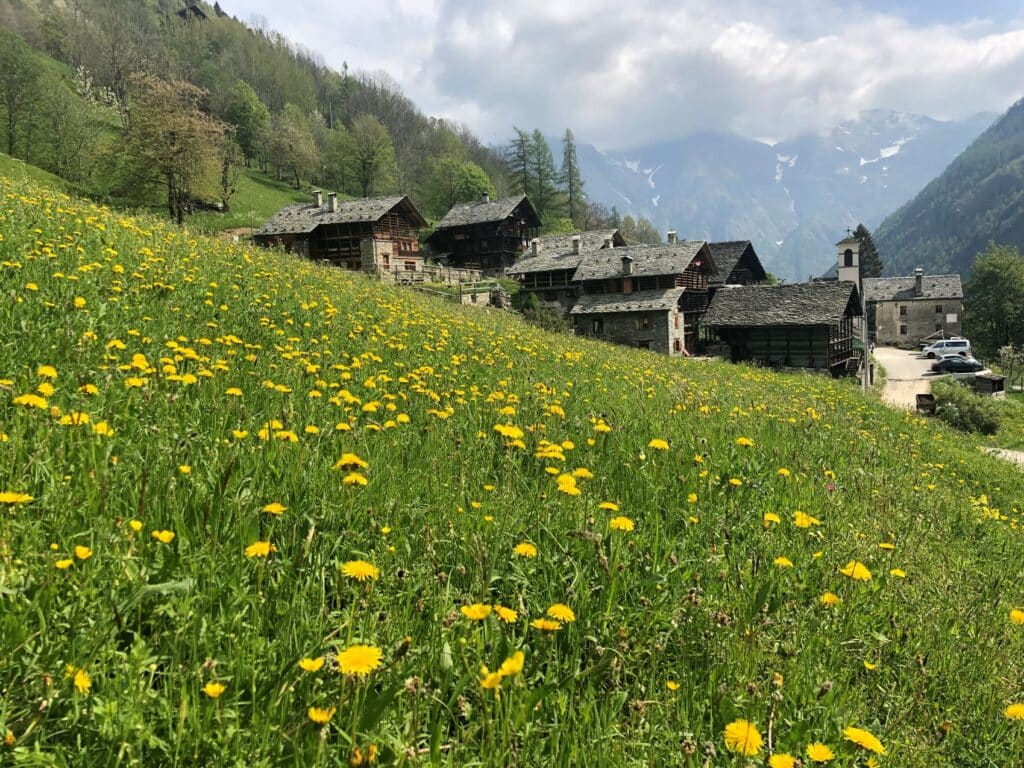
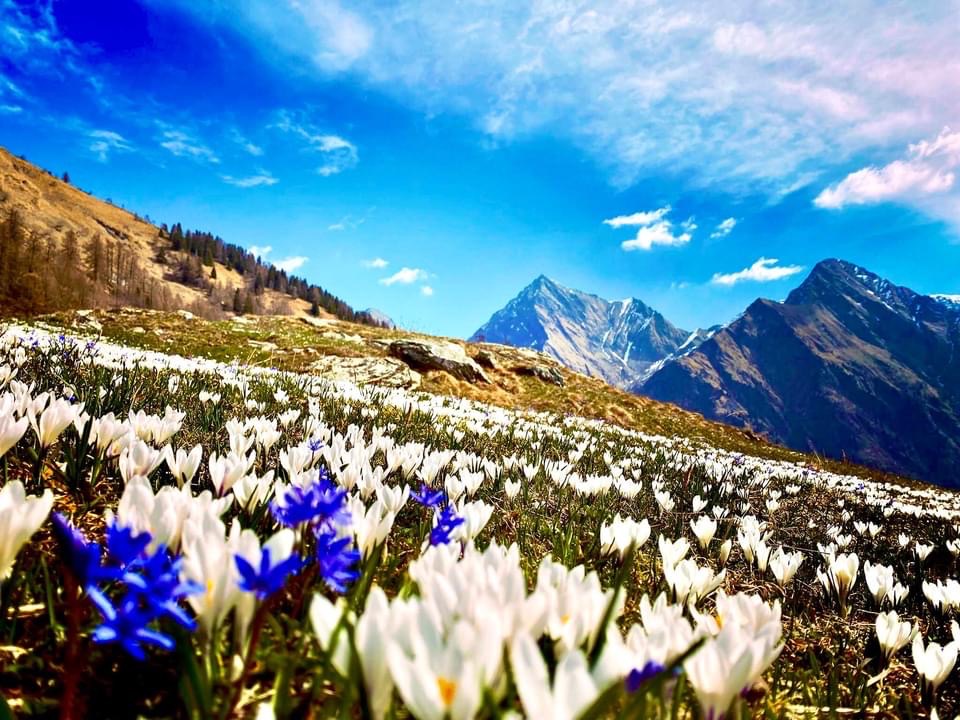
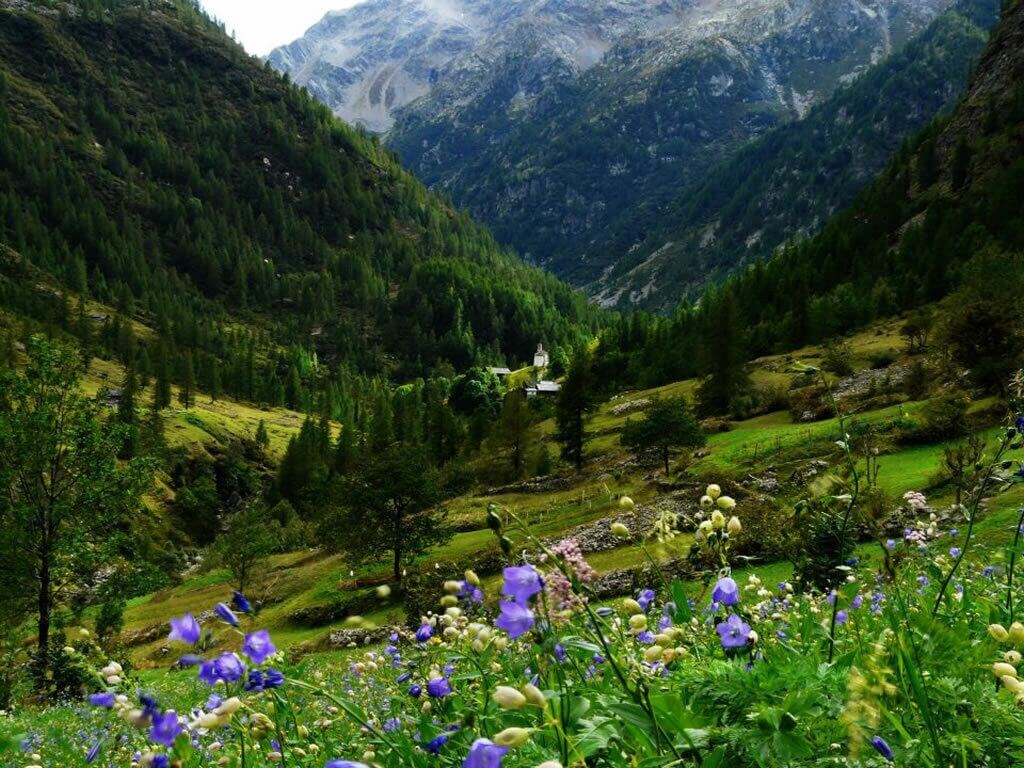
If you have never seen Valle Vogna, come and visit in late spring, when nature takes over every space-time dimension.
Simply put, you will be catapulted into a magical, unique, colourful dimension amidst blossoming Dandelions and cherry, crocus and bell trees.
The Vogna Valley is an ancient land, a land of passage, of migrants and merchants, but also a lived land. The valley was colonised in the early 14th century by Walser Alemanni settlers from Gressoney.
(it seems that Vogna derives from "Wohna" inhabited valley in Germanic).
The itinerary we wish to undertake is part of the Valsesian Art Paths so named because, in addition to the landscape factor, you will enter the world of Art of the ancient chapels, testifying to the faith and artistic side of the locals.
Leaving the car at the Ca d'Janzo car park, we take the path that climbs up towards the hamlet of Selveglio m 1536 (from Silvelius, forest, perhaps already inhabited in pre-Roman times, or from Servej, a Valsesian dialect word for 'brains', erudite people for the times)
The Carestia family, from Selveglio, originated the branch from which Abbot Antonio Carestia, renowned botanist, was born.
The hamlet was once densely populated, with more than a hundred people living here towards the end of the 17th century.
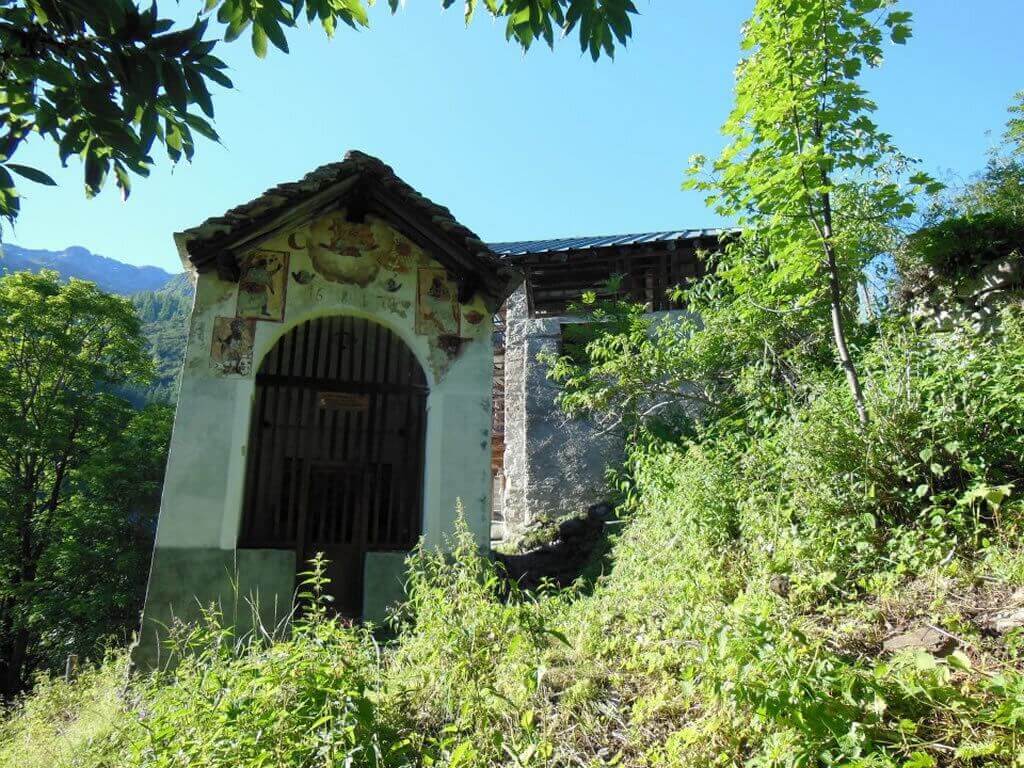
The little chapel of the Madonna del Carmine welcomes us near the large fountain.
We immediately notice the beautiful sundial.
It was a widespread custom to mark the passing of time based on sunlight and the rising or setting of the sun.
Continuing towards Oro, we find another small chapel built as an ex voto by the inhabitants who escaped the plague of 1630. Three more sundials painted in the 19th century are in full view; the curious soul will be amazed to find the signs of the zodiac represented.
But, we told you, astronomers and botanists lived in Selveglio… alas, little understood by the rest of the population, so much so that they were called 'The fools of Selveglio'.
We arrive in Oro; a fire in 1913 destroyed much of the village, a fate similar to many hamlets with wooden houses.
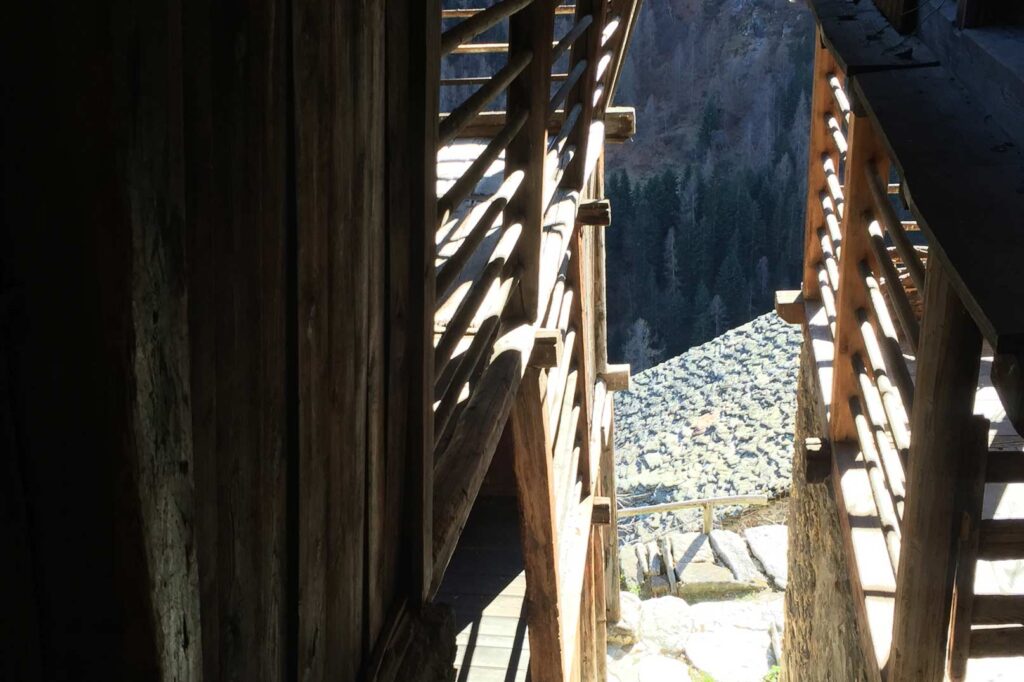
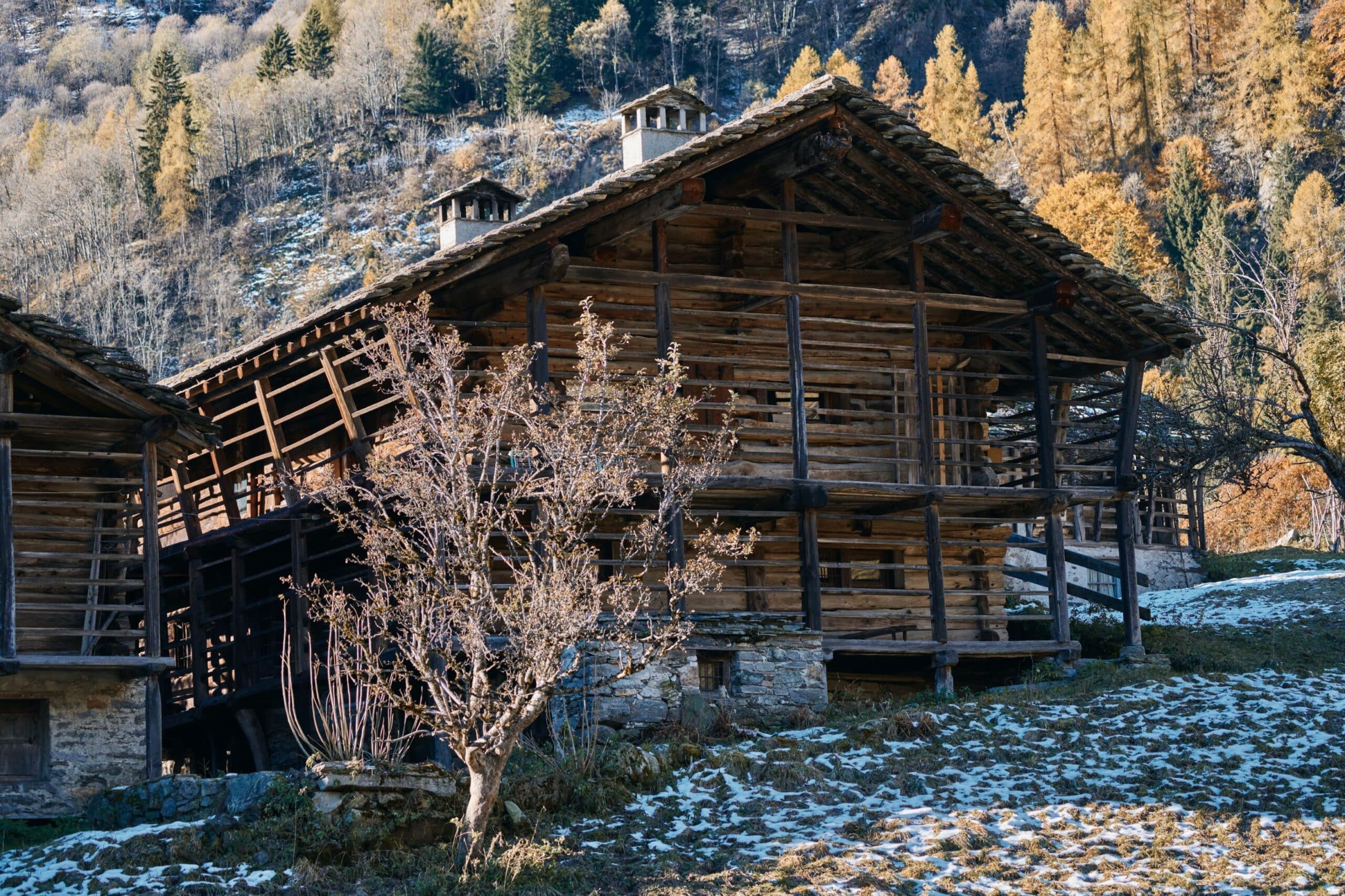
Dominating the hamlet is a characteristic, and almost unique for the area, 'stadel', an ancient granary raised by wooden columns with mushroom-shaped stones to protect against mice.
The oratory of San Lorenzo, built in 1706 by the heads of families to have a place to receive Communion in the highlands, is beautiful.
The path skirts the mountain and between pastures and terraces reaches other wonderful hamlets:
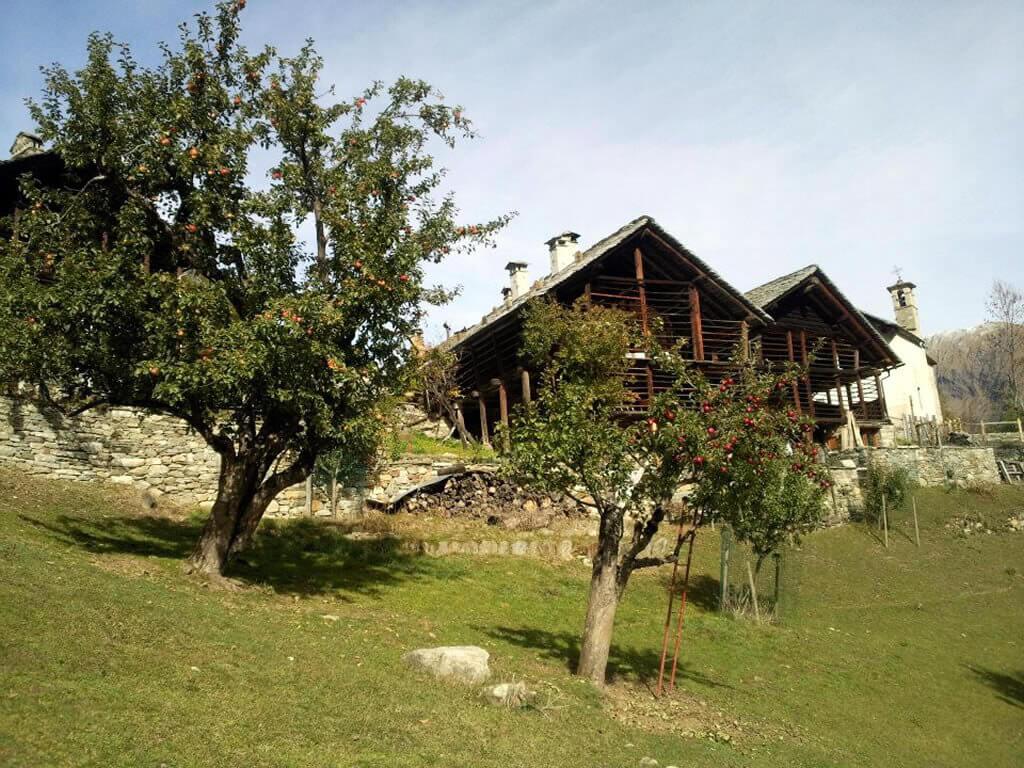
Ca Vescovo, old houses, we can tell by the wood that has challenged and overcome the weather, withstood the weight of many winters and given shelter to generations
Rabernardo, a rather large hamlet, with three fountains, three bread ovens and a small chapel dedicated to the Madonna della Neve. From historical documents, it appears that there was also a workshop where locks and scacciapensieri (Ribebe) were made.
Many houses are now restored; the private house of the Locca family, dating from 1640, has become the Ethnographic Museum
Cambiaveto, a pretty hamlet located on the edge of a gully, recently restored and showing a building with a three-pitch roof, typical of the Vogna Valley.
Piane, a hamlet made up of two groups of houses protected by a stone parapet that bears the date 1560 engraved on it.
All around are pastures and fields that are still in use.
Yes, the hamlet is permanently inhabited throughout the year; there, the rhythm is still marked by the crowing of the cockerel, the slow snowy days and the first warmth of spring.
It is a journey through time that we would all like to take!
The last stop on this wonderful voyage of discovery in the Frazioni alte is the hamlet of Peccia.
Peccia is the dialectal way of calling the spruce tree typical of the area.
One of the first inhabited hamlets in the valley, it has an important past.
Its inhabitants braved the plague of 1630 and the passage of Napoleon's troops in the early 19th century while the houses endured fires and avalanches.
It is said that even one house was moved whole by the force of the avalanche and deposited with its inhabitants inside.
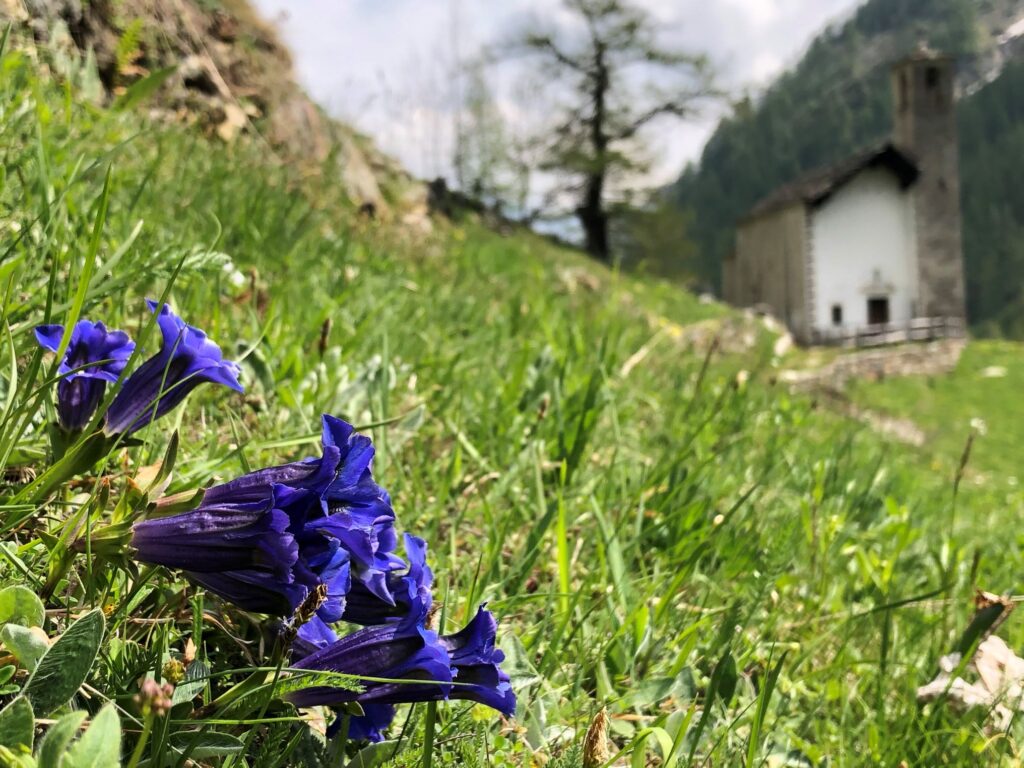
To the south of the hamlet is the small chapel dedicated to San Nicolao, a saint very dear to the Walser population.
To the north, closing the hamlet in a protective embrace is the oratory of San Grato, a very old building.
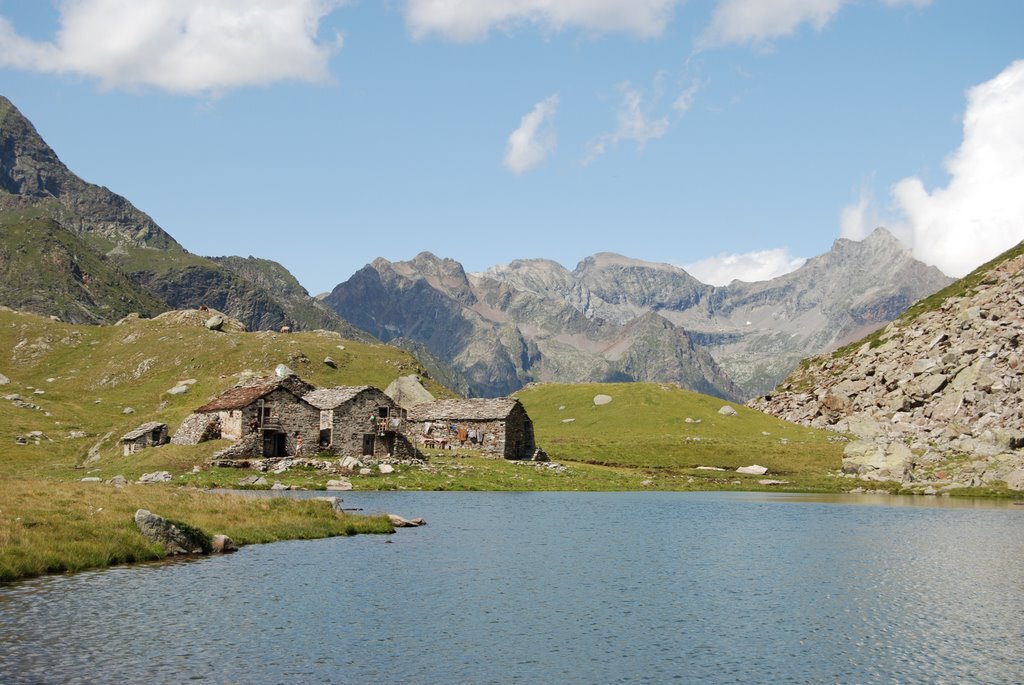
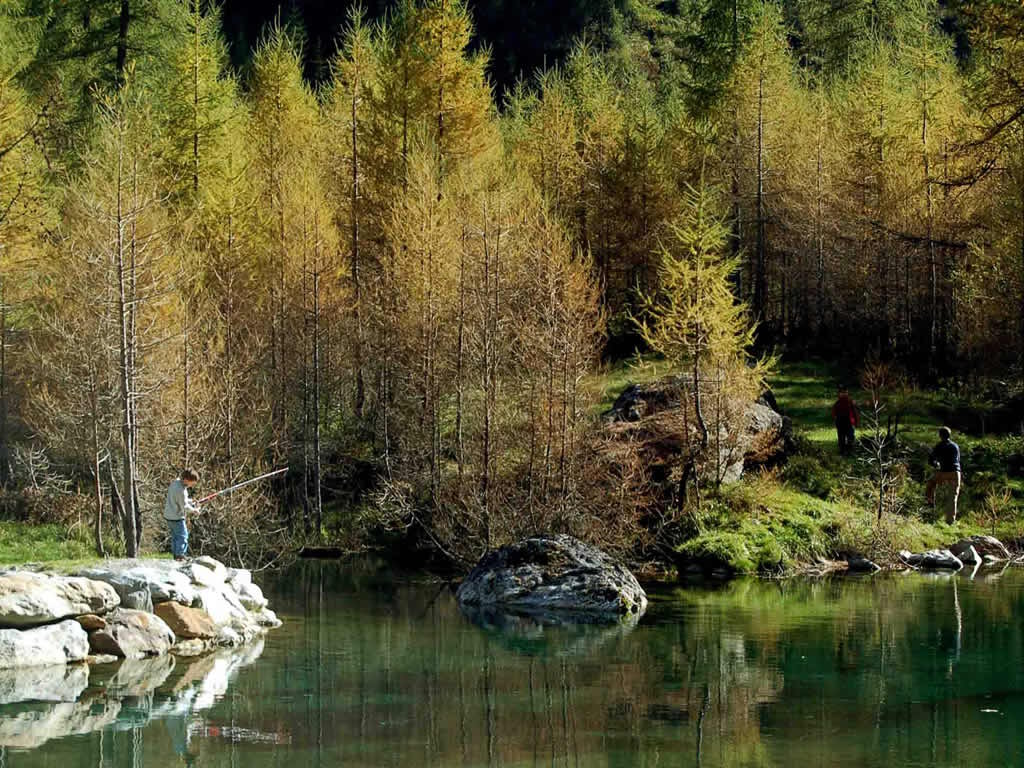
Returning towards the valley we find a pretty little lake with emerald-green waters, we stop in admiration and enjoy a nice picnic (if you don't want to use the classic blanket, the municipal administration has set up the area with comfortable wooden tables).
And you, are you coming with us?
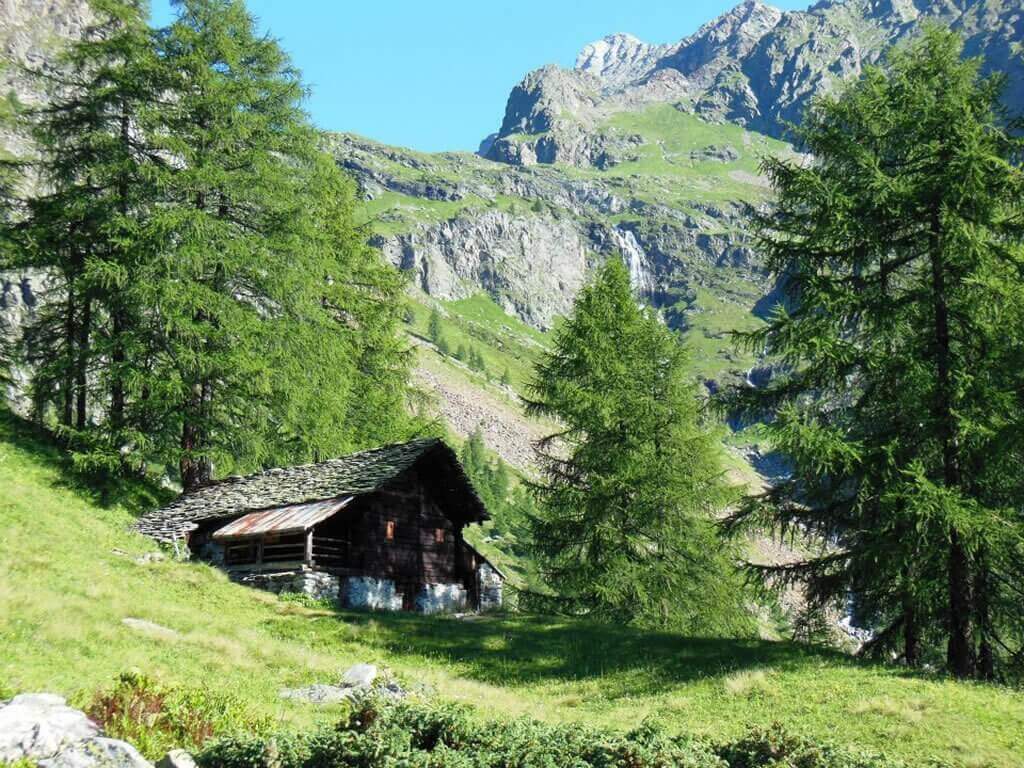
Just as crinkled eyes open to the new day, so nature prepares for the new season of light and life.
Take, for example, an ordinary day in May in the Nature Park. You set off along the path from the Acqua Bianca to the Turlo pass, without any ambitions to reach it because there will undoubtedly still be plenty of snow.
The goal of the day, assuming one has to have a goal, is the forest animals.
We walk slowly and lightly, letting the sounds and silences of the forest overpower our steps.
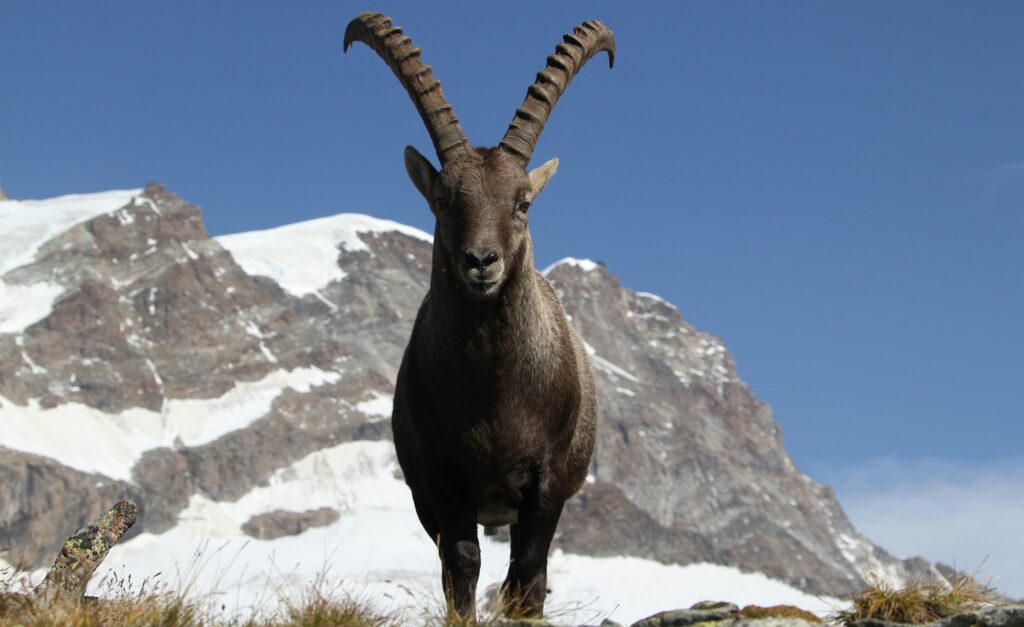
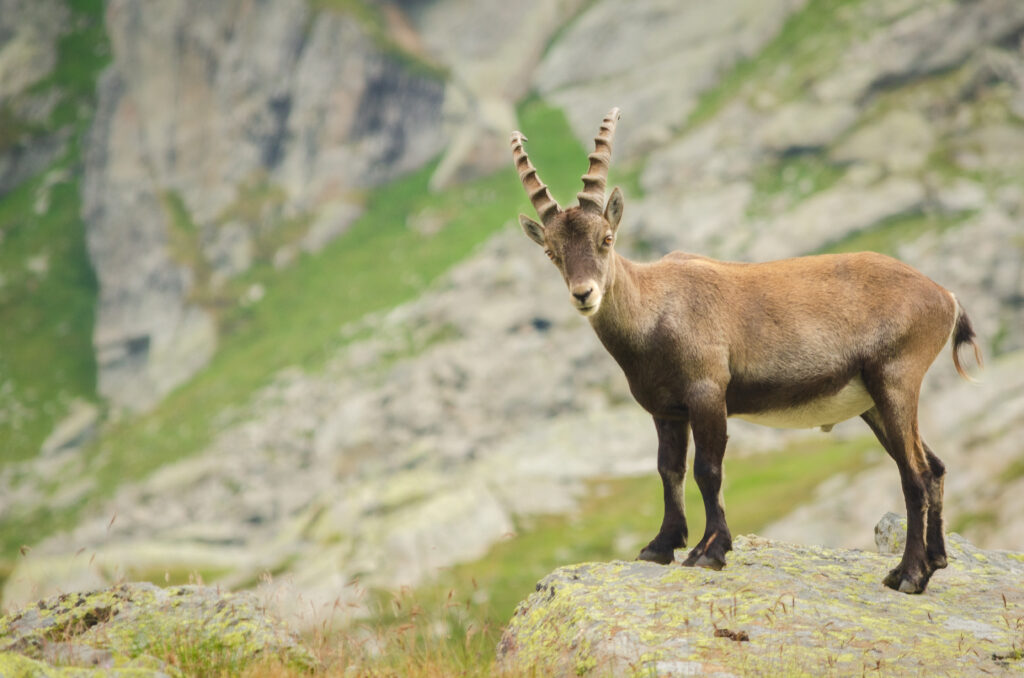
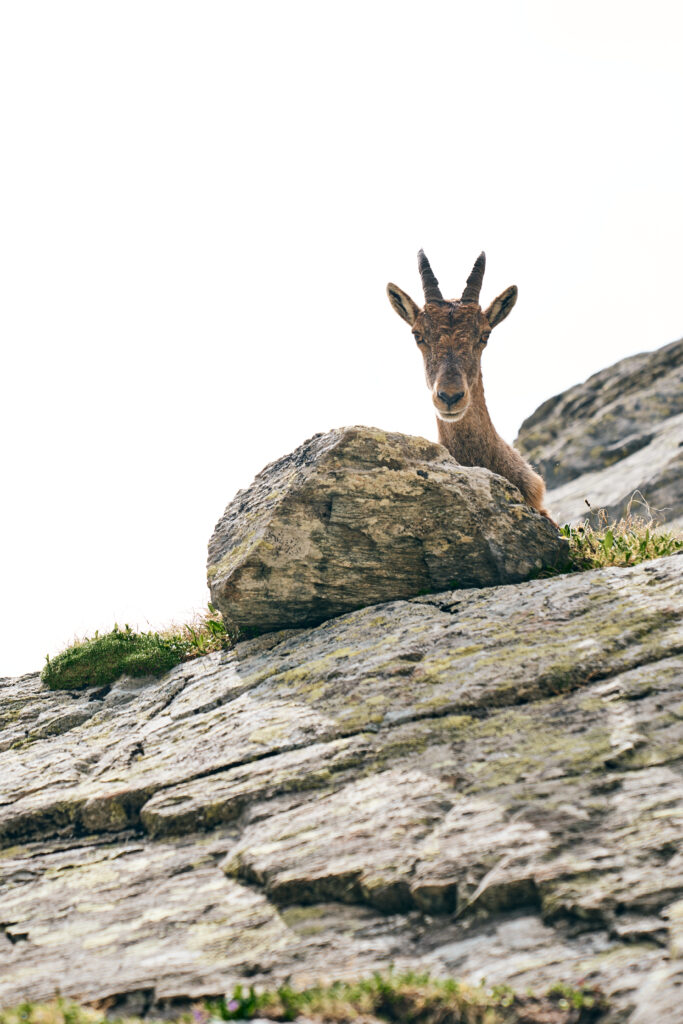
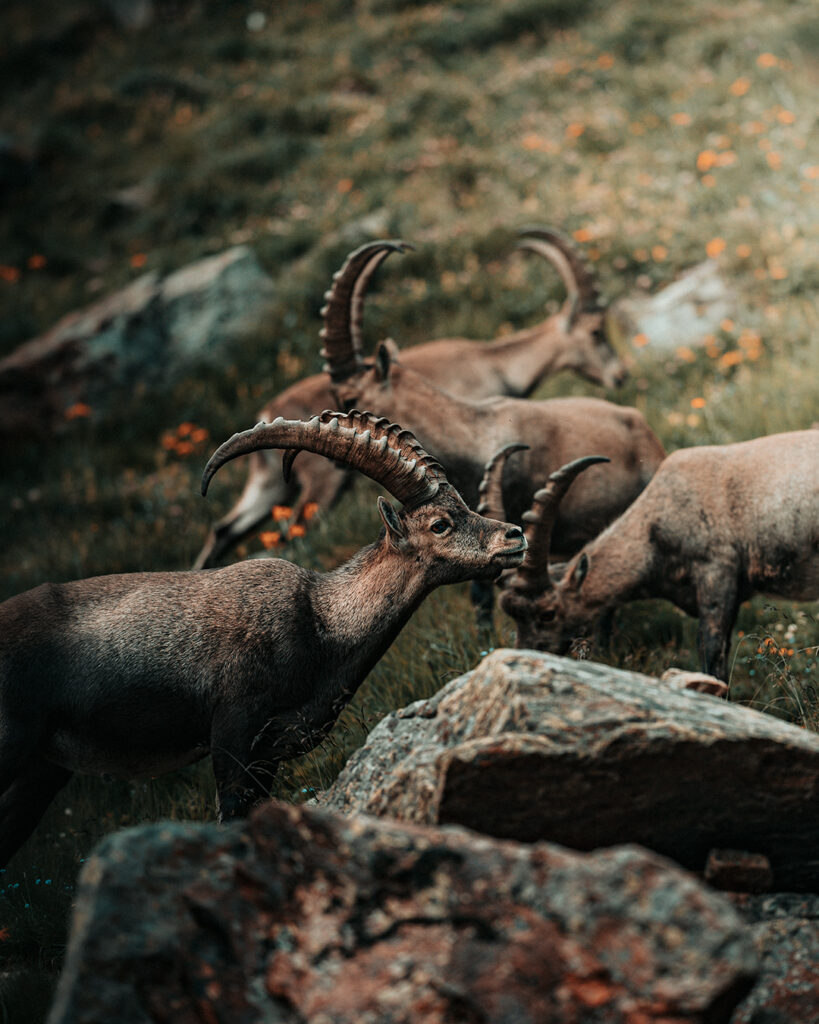
Fifteen minutes from the start, just beyond the fork to the Fum Bitz alp, we find the sleepy male ibexes, who wake up only to rub themselves against the trees or scratch themselves with their sabre-like horns. It is moulting time. Warm weather arrives and a change of clothes is necessary. To facilitate the hair-swapping process, some help is needed, and the antlers are useful not only for fights between males, in order to assert supremacy, but also for this purpose.
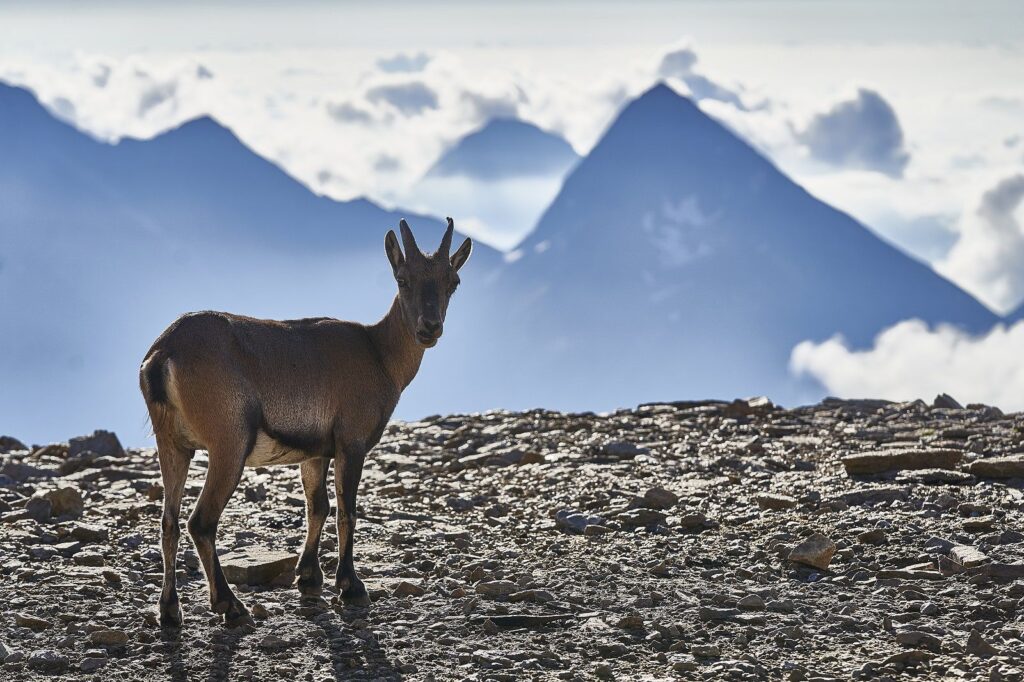
Continuing along the mule track that winds its way through the larch forest, after about 20 minutes you come to the alpine meadows where, hidden and sheltered on the 'ledges', the females prepare to give birth. Between the end of May and the beginning of June, it is easy to find the newborns on these slopes being watched over by the mothers looking for a rest.
From here upwards, we are in the territory of the best-known rodent in the Alps.
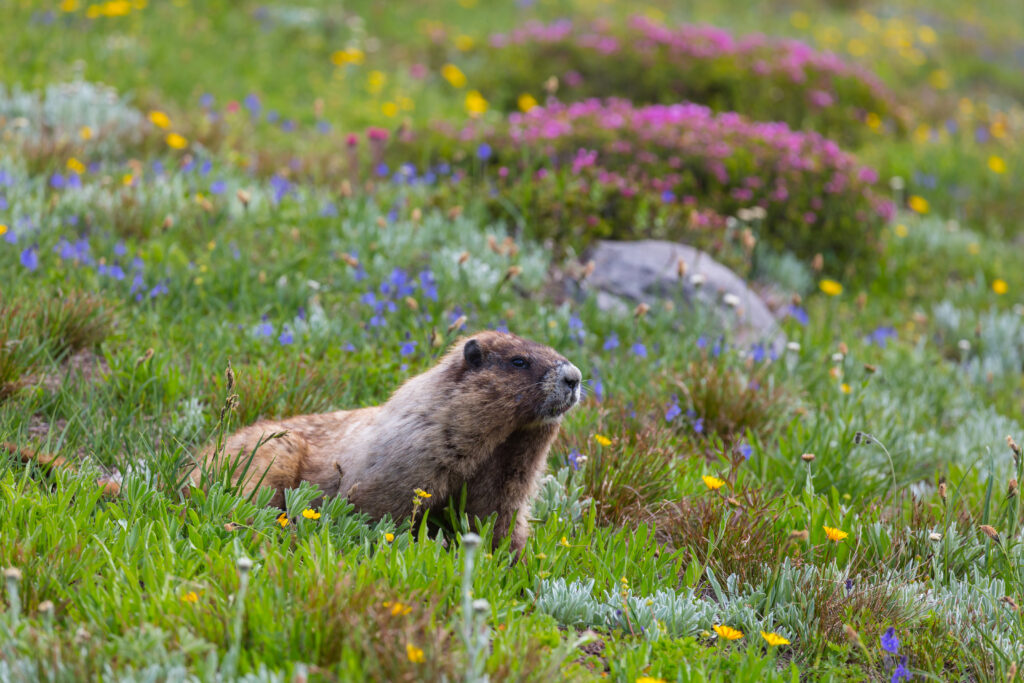
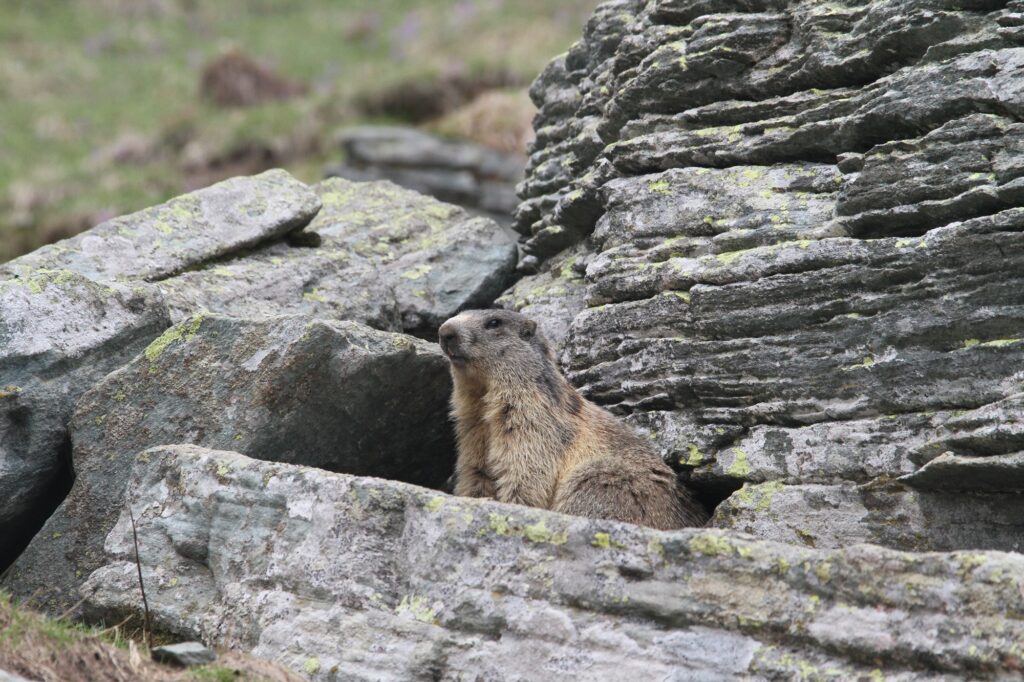
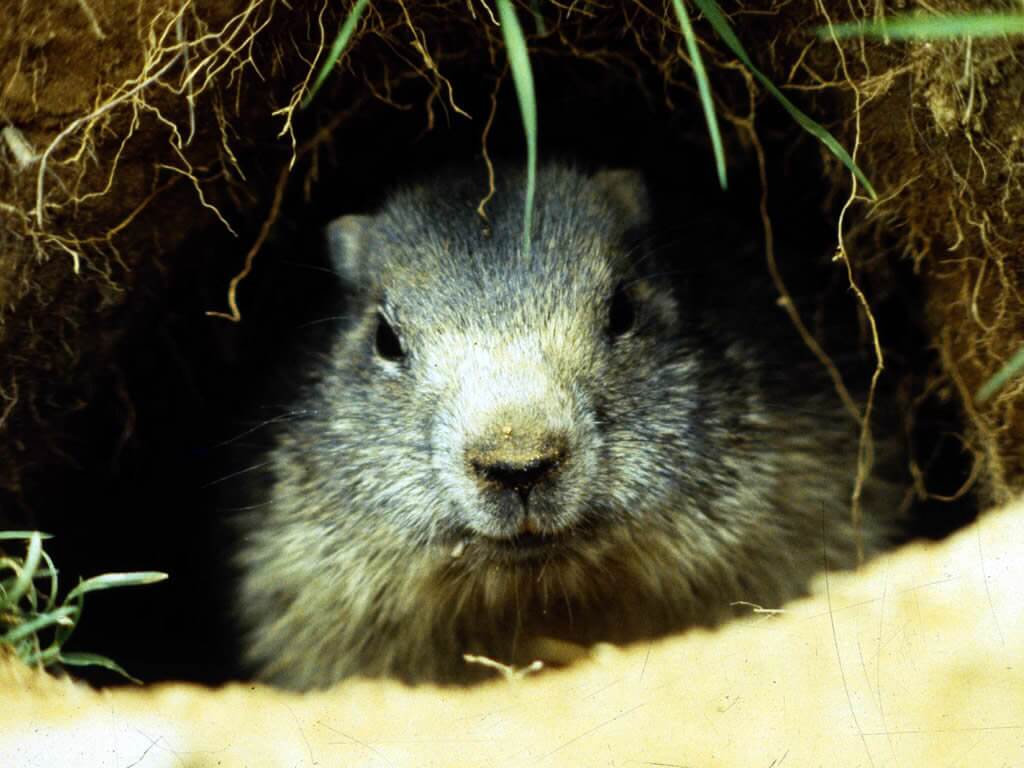
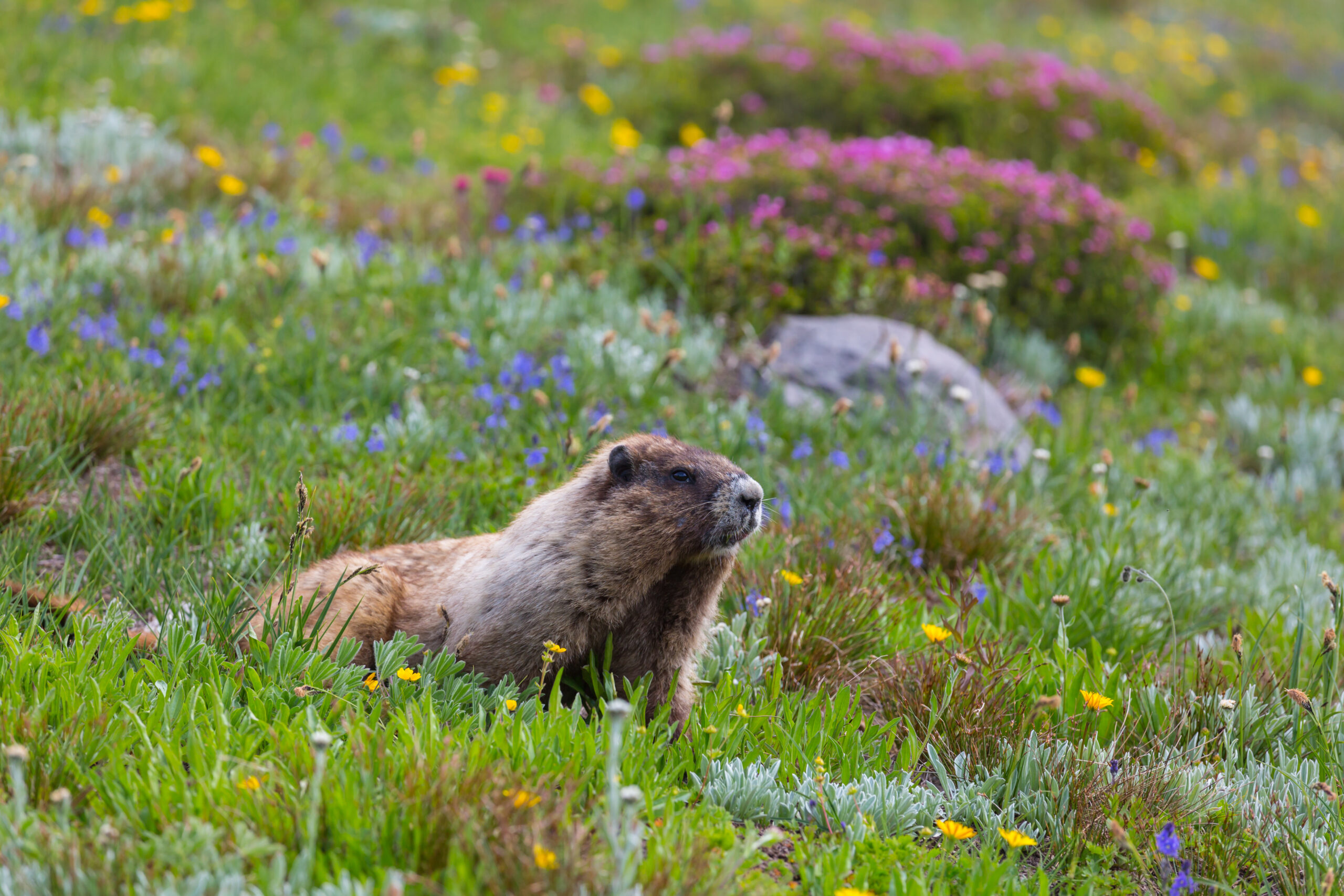
The marmot that has just emerged from its burrow is preparing for the birth of its young after its long winter hibernation, which began at the end of September/October. We find it on lookout on the rocks, ready to sound the alarm for any intruders approaching. Usually the annoying intruders are us or eagles, but the bearded vulture is no joke either.
It has a lot of things to do apart from guard duty: eat, considering the long fast, give birth and train the young. With a lot of patience and luck, you can attend the mothers' lessons: how to keep watch without getting distracted, sound the alarm in case of danger and hide quickly. Of course, in between the lessons, there are many moments of freedom at the playground.
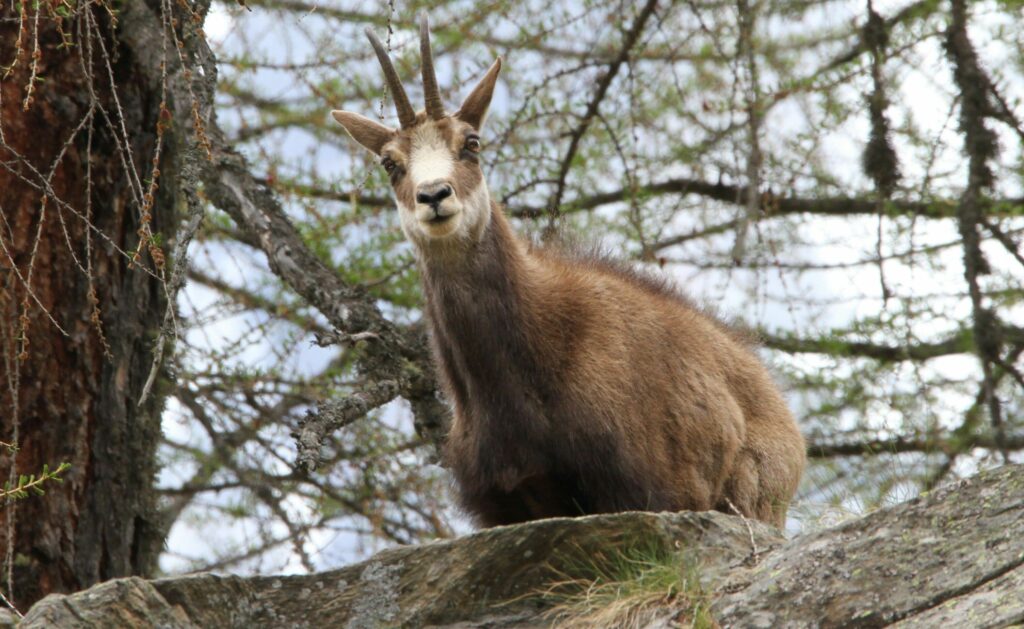
From here upwards it is a land of chamois, shyer than ibexes (they do not pose for photographs like the previous ones but, at a proper distance, let themselves be watched). At this time they can be found licking the salt from the rocks finally freed from the snow and tasting the first tender grass.
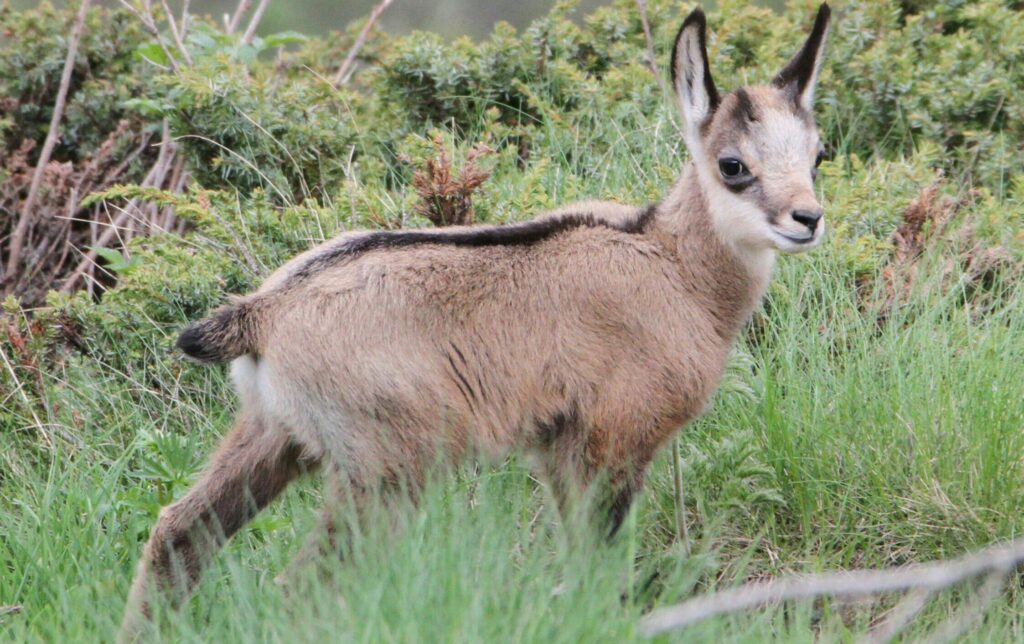
The males, again, move about on their own, leaving the females to look after the recently hatched young. Particularly attentive are the mothers, who look up to the sky with apprehension when the eagle, enemy number one of the newborns, prowls around.
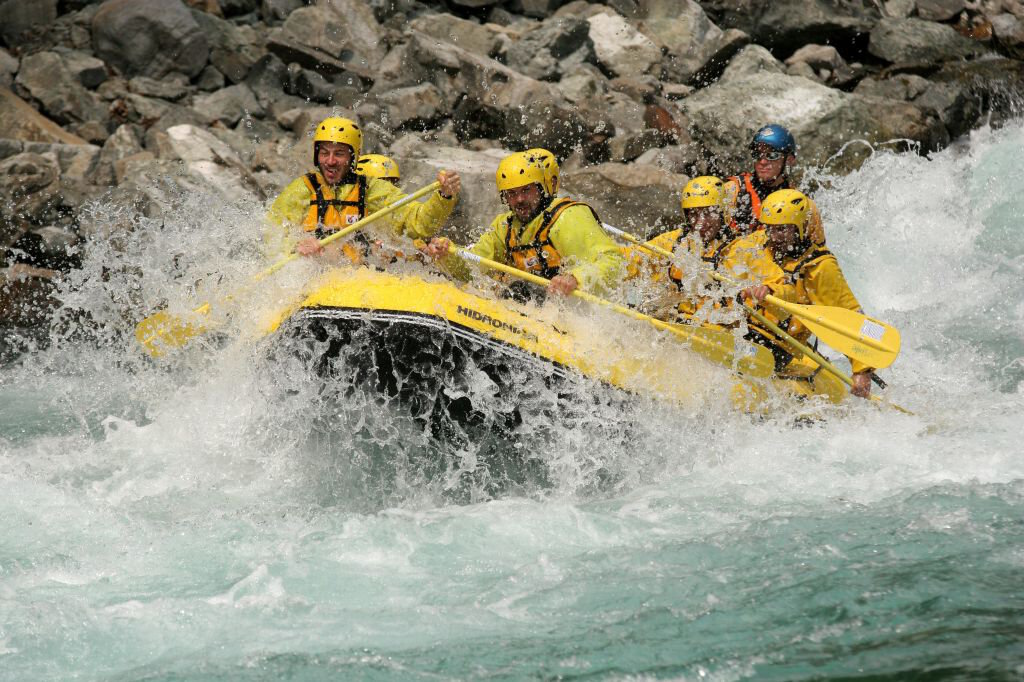
With spring and the melting of the glaciers, the time has come for river sports.
The Sesia is there waiting for us, with its bends and us with our wetsuit.
No matter whether the weather is favourable or not, the 'wetsuits', as river men are called, meet at the embankments in the Upper Valley, energised to tackle the rapids as number 1!
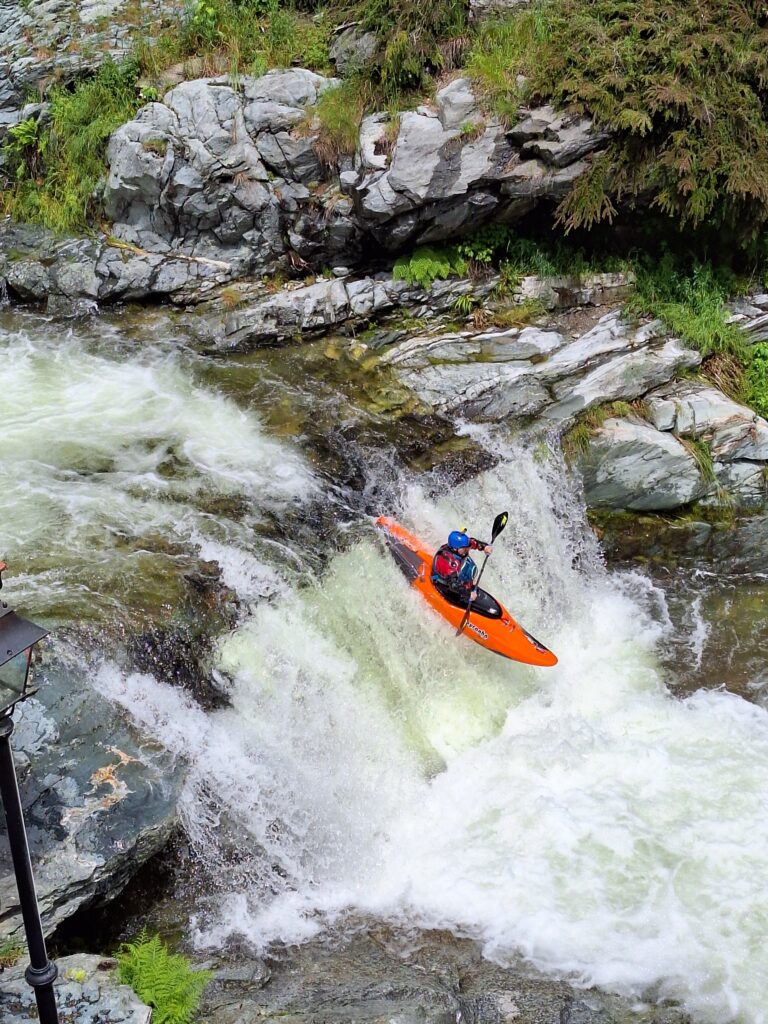
We can go rafting or canoeing, kayaking, canyoning.
Generally, rafting (from to raft-boat) is practised in teams of four or more people.
The raft descent is adrenaline-pumping and fast. You will need a life jacket, helmet and wetsuit to ensure safety as well as fun.
While the craft you have chosen is undoubtedly unsinkable, it is equally true that the possibility of capsizing exists.
If, on the other hand, it is the individual experience that fascinates you, then choose canoe or kayak. Same safety equipment but you will have to rely on yourself.
Your team will be you, the paddle and your coordination skills. A silent dialogue between you and nature.
Your choice should therefore fall on canyoning, also known as canyoning. Jumps, descents, slides and rope descents of the mountaineering type, which is also essential for ascents. The equipment, in addition to that required for river sports, will be that typical of climbing: helmet, rope, descender, thigh harness and remember: with a guide it's better!
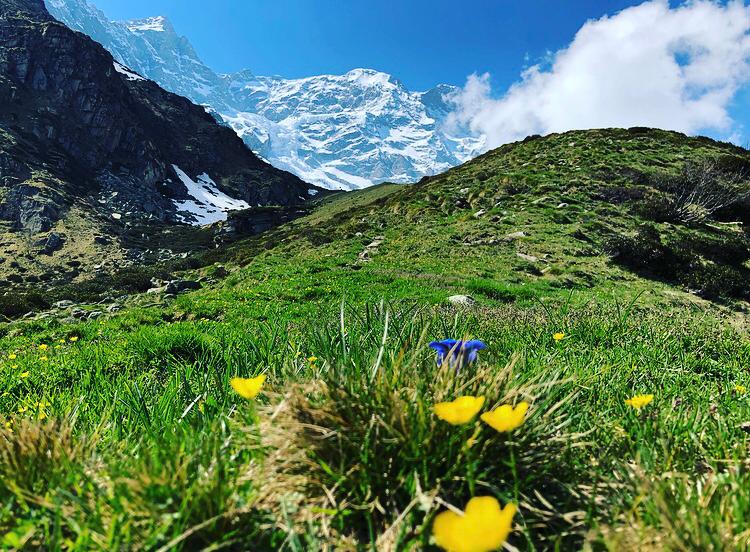
Enjoy the spectacular awakening of nature by following one of the many itineraries in the Alta Valsesia Natural Park in the heart of Monte Rosa.
Created in 1975 to safeguard biodiversity, it is the highest natural park in Europe because it stretches up to the 4554 m of Punta Gnifetti, a well-known peak because the Capanna Regina Margherita stands there.
Today we have chosen to tell you about a path suitable for families and walkers who do not want to walk too much but who have curiosity and a desire to discover.
The Glaciological Path no. 206 and then 210 is perfect for a weekend in spring.
Departure from the Acqua Bianca square.
Arrival at the 2070 m of the Fun D'Ekku moraine (this sounds like a difficult name, but it is simply the ancient term used by the Walsers to call the bumps and moraines)
The trail is an easy one, for everyone, with magnificent views and an intact environment that allows you to travel through the geology of the mountains.
Before you set off, imagine the glacier advancing and then retreating as in a secular dance, leaving clear traces of its movement. As you begin your journey, you will discover step by step the traces it has left over the centuries. To help us understand how the glaciers worked we find 8 panels placed at strategic points. Erosion works (potholes), erratic boulders transported by the advancing ice and then deposited far away from their point of origin, mounded rocks, waterfalls, gorges, cauldrons and glacial cirques, all well explained and above all visible, as if painted by a Master of Fine Arts.
The gorge carved by the waterfall resembles a large cauldron, on which numerous rainbows are reflected by the play of light reflected on the drops that reach the viewing point, almost tickling the nose.
The second stop is the Park Visitor Centre, run by the Park Guards, where it is possible to obtain all the information on flora and fauna. Outside is the Botanical Garden, which offers a wide variety of species to the eye, depending on the time of year, from plants growing on the rocky slopes to ferns.
Crossing the characteristic covered wooden bridge that takes us to the meadow of Alpe Pile (which, with its Pastore hut, is one of the most frequented places of the summer), we go to admire an example of the Marmitte dei Giganti formed by the whirlpools of subglacial torrents.
We then continue along the orographic right side of the Sesia as far as the Bors torrent, then turning onto path 210.
From here the path begins to climb. If we imagine the glacier, we understand why the valley we are entering is elevated compared to the main valley we have just walked through; the lateral glaciers, of lesser flow than the valley glacier, have had less erosive capacity and so the result is a suspended valley, our Bors valley.
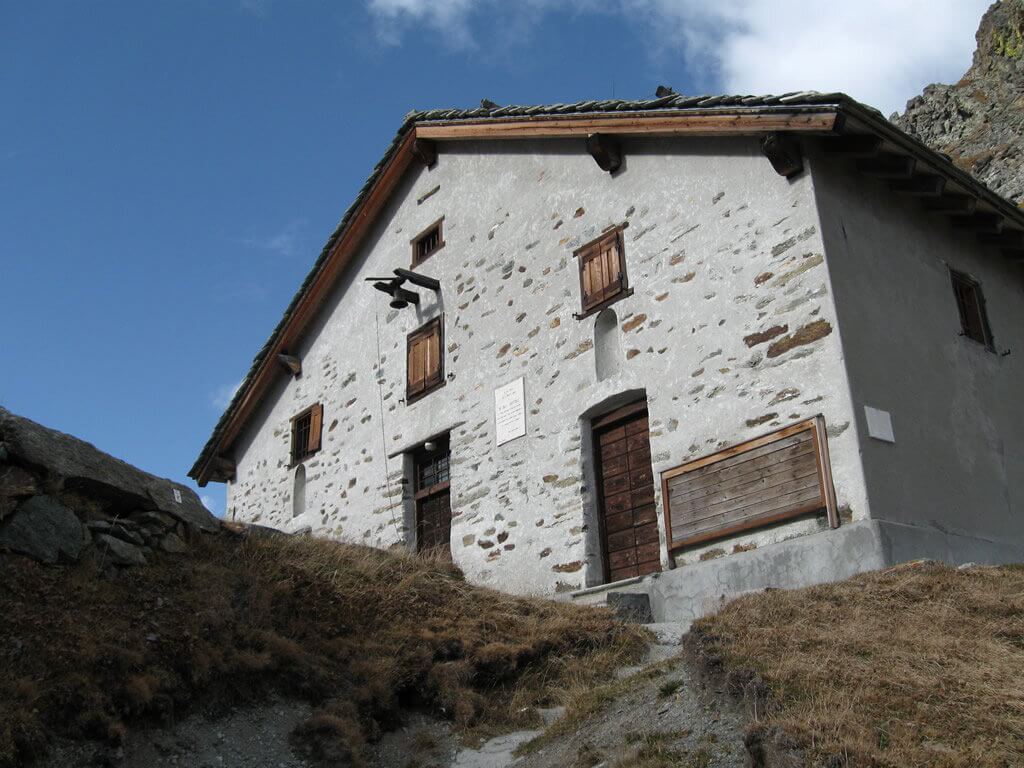
We are welcomed by Davide and Francesca, who run the Rifugio Crespi Calderini, dedicated to Anna Crespi Calderini, a mountaineer in 1900.
Alpe di Bors is located right in the middle of a glacial cirque, a natural amphitheatre surrounded by vertical walls and bordered downstream by a moraine deposit.
Stopping for lunch at Francesca's is a must, and a chat with Davide, who is always intent on maintaining anything, is a pleasure. If you then want to sing along, you'll have to tell Davide to ask Alexa to 'put on' mountain songs! Conquering Fun D'Ekku's Morena will be a choice. But we can tell you in advance that from Fun D'Ekku the view of Monte Rosa is the best we can have. Here you will see how his majesty Monte Rosa, who observes everything, dominates the valley. The air is crisp and, if you sharpen your attention, you will perceive the movement of the glacier, you will hear its crackles and little bangs, and the water flowing below uninterruptedly, in a continuous, eternal cycle of which we will be spectators today! We will feel so small in comparison.
Click here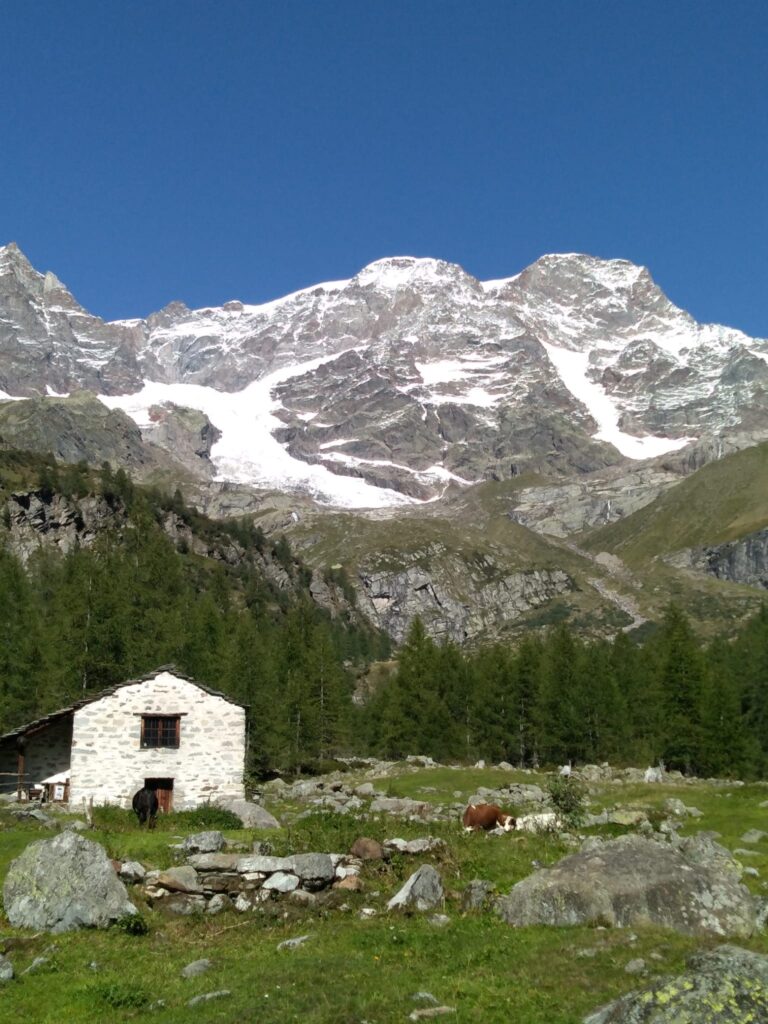
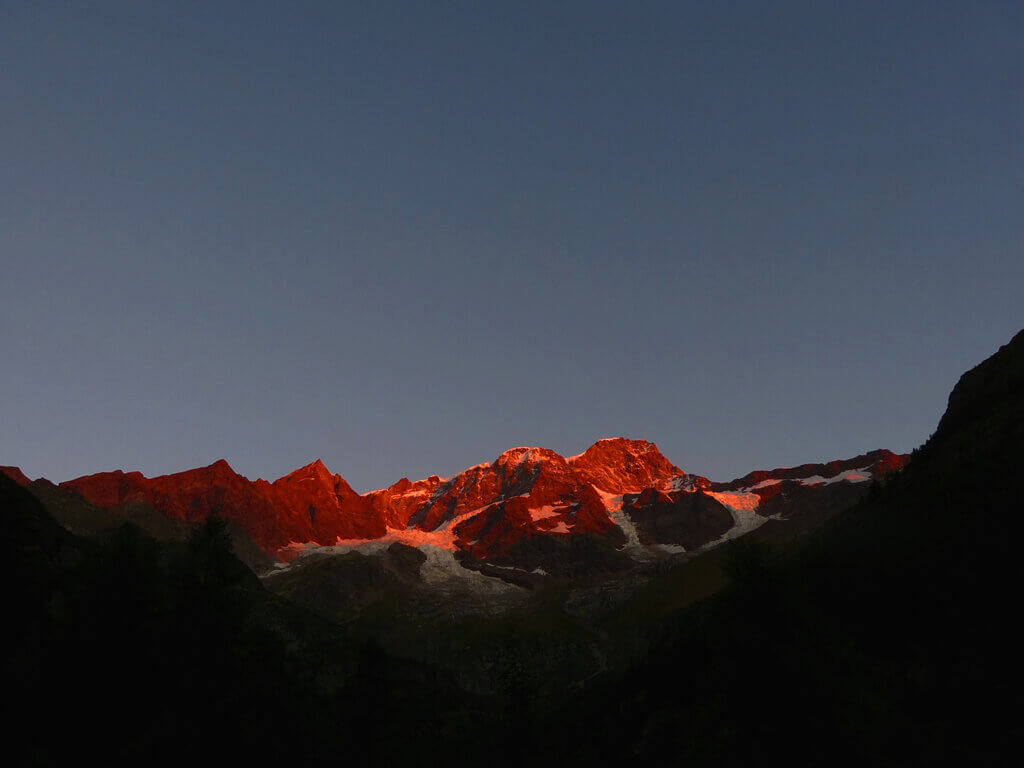
Did you read it singing?
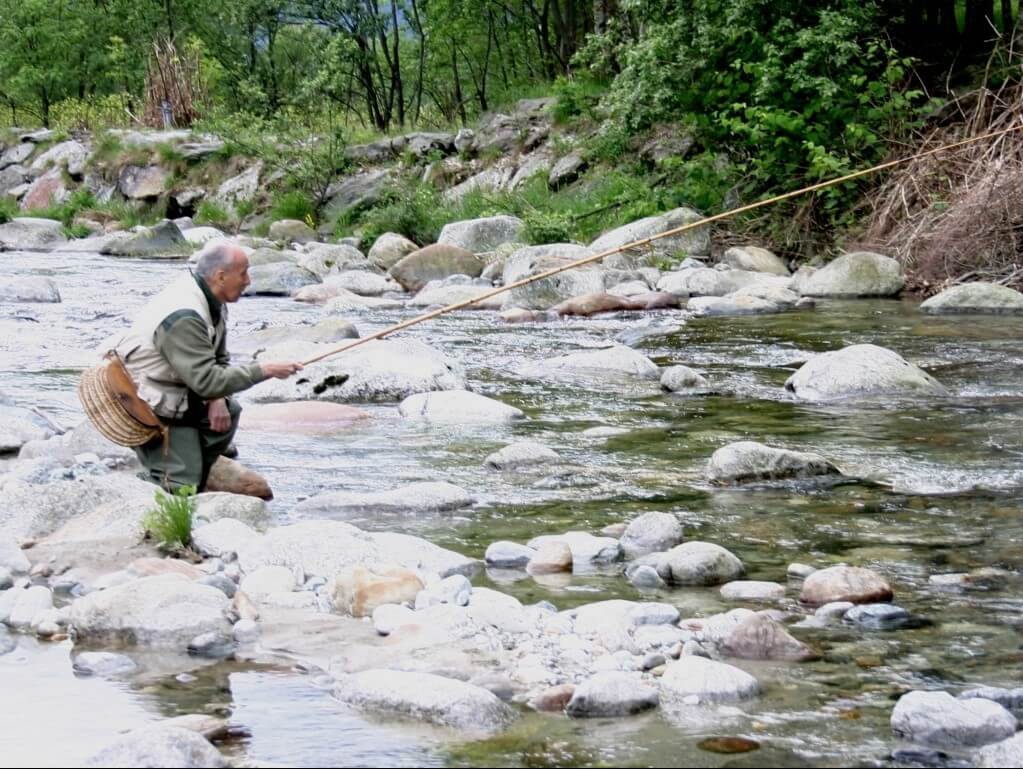
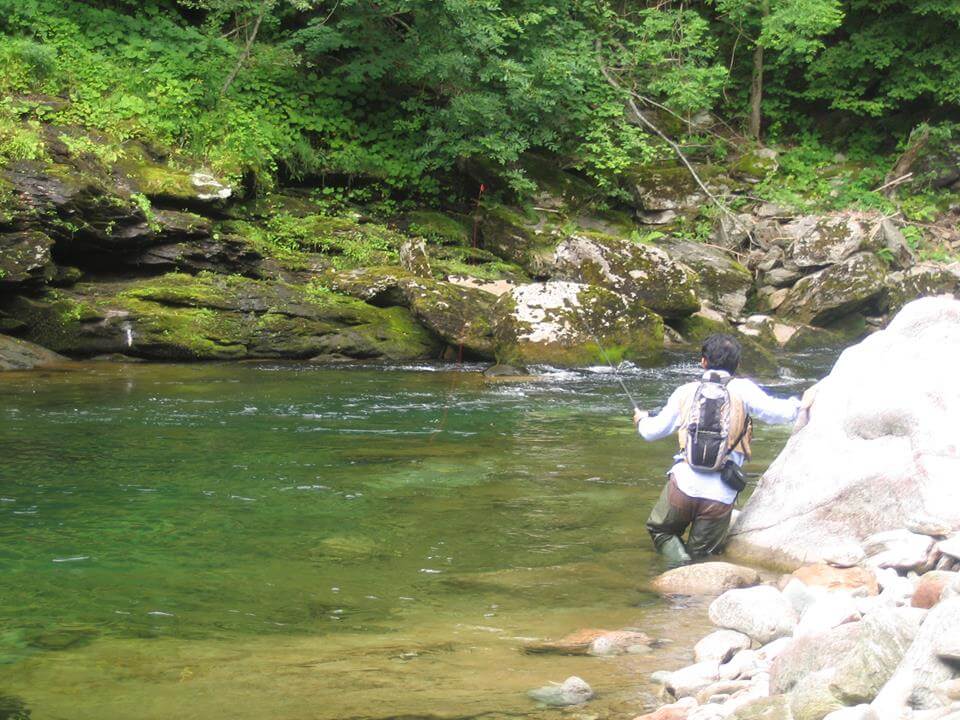
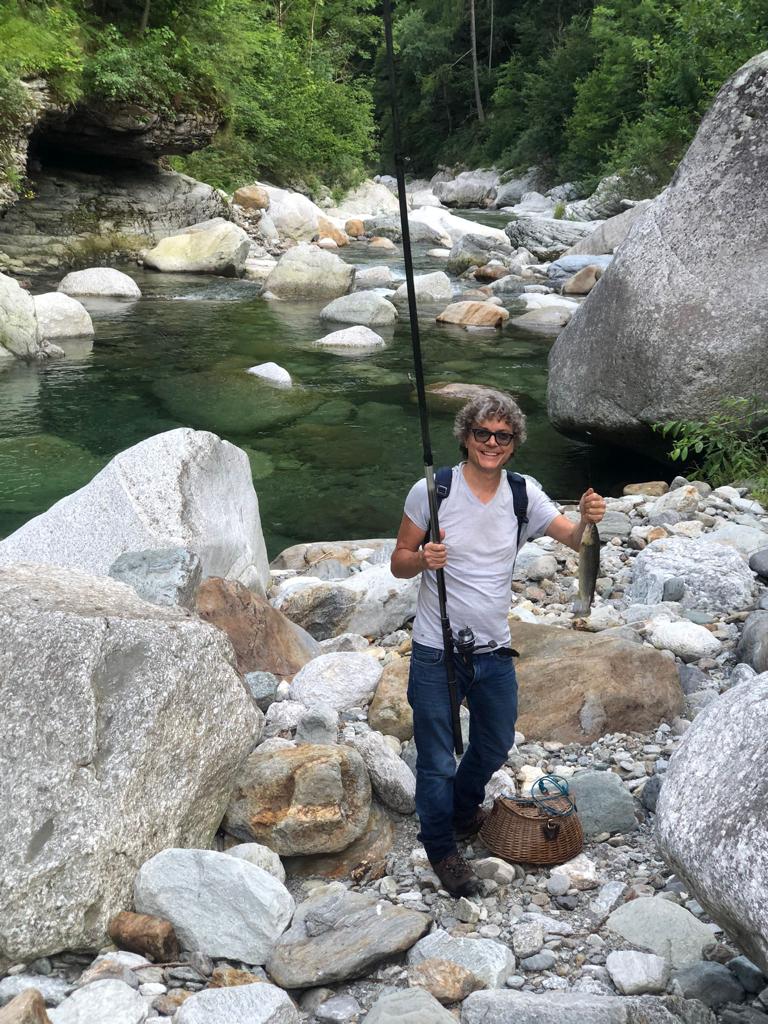
A good way to start the day's fishing!
Get your gear ready, it's dawning in Alagna!
What to bring?
High boots, a light fishing rod so you can move more fluidly, a rucksack or wicker basket, bait and a hat to protect you from the sun.
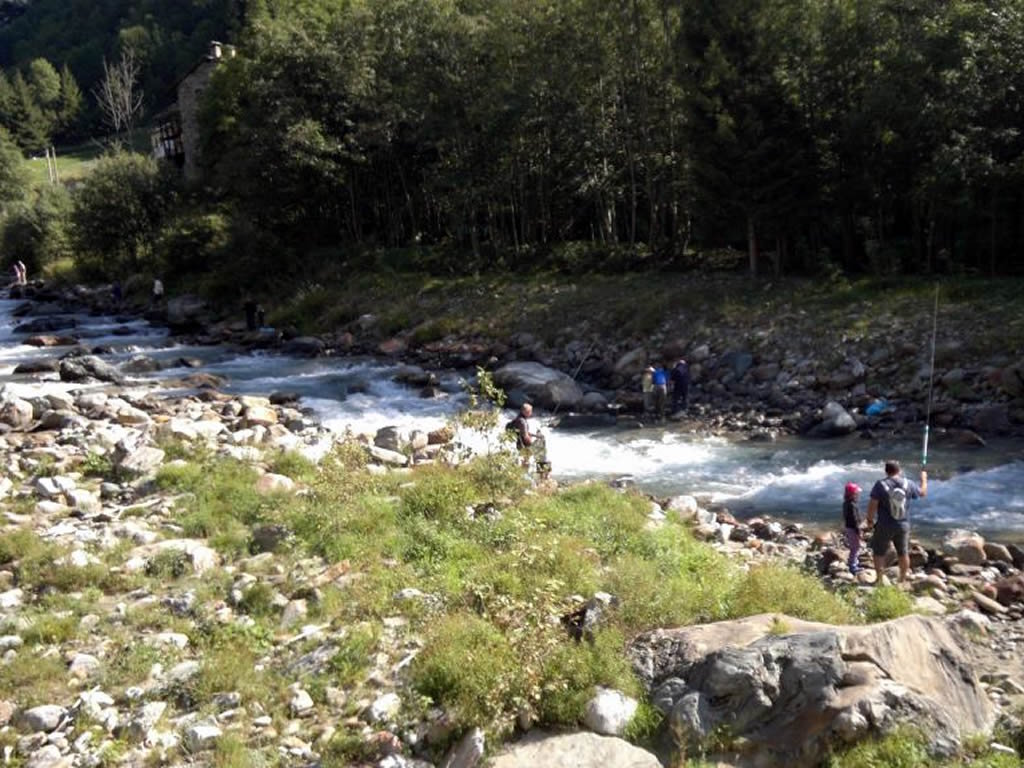
River fishing is dynamic and can really become a good way to discover the area with different eyes because the river will give you glimpses that you will never see from the usual passages. In addition, you will be assured of dinner.
With spring, trout regain vitality and become more voracious in the rich spring water.
Find strategic spots, near puddles or waterfalls, and it will be easier to get results.
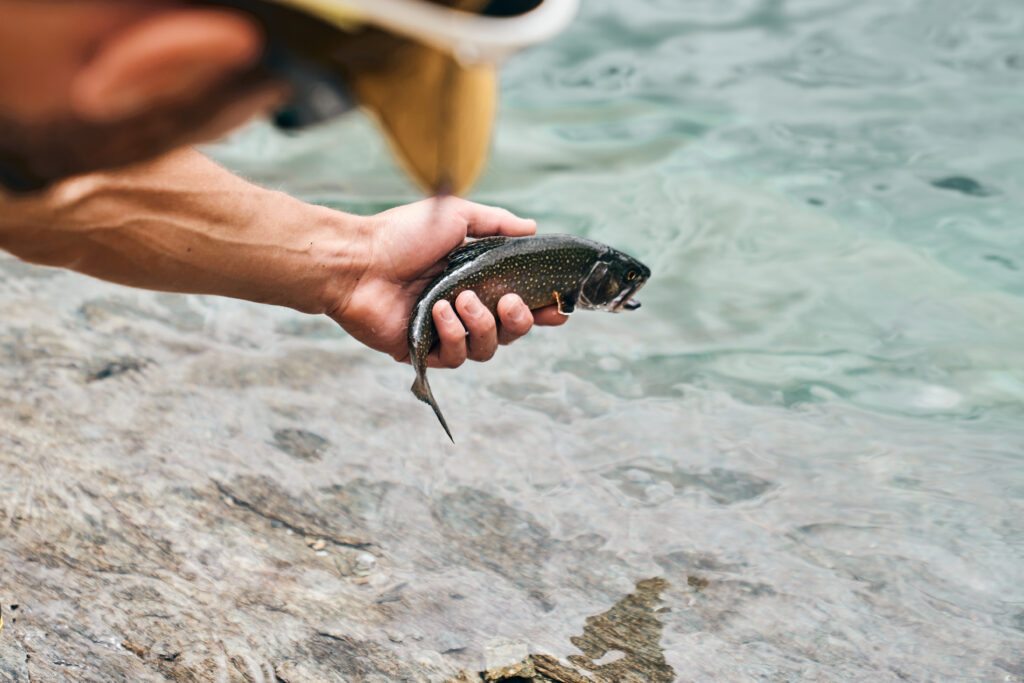
Of course, you can also choose No Kill fishing with trout release (only fly fishing and with barbless hooks to avoid lacerations at the mouth).
A trick for a better chance of catching fish? Take advantage of the soft light of early morning or late afternoon to be less detectable by prey (who see us very well especially if we dress in bright colours!).
And bear in mind that fishing is always more profitable on low-pressure days (that's why we always see fishermen wearing pastranos and oilskins).
Fishing in Valsesia has ancient origins and was certainly one of the forms of family sustenance.
It is now regulated by the Valsesia Sport Fishermen's Society, which manages rivers, streams and alpine lakes.
Thanks to this stewardship, species are protected and safeguarded, respecting their life cycles including reproduction.
By purchasing a day permit, you have access to the Tourist Fishing Reserve and can catch up to a maximum of six brown trout (maximum size 22 cm) or rainbow trout (maximum size 20 cm).
Regulations here!
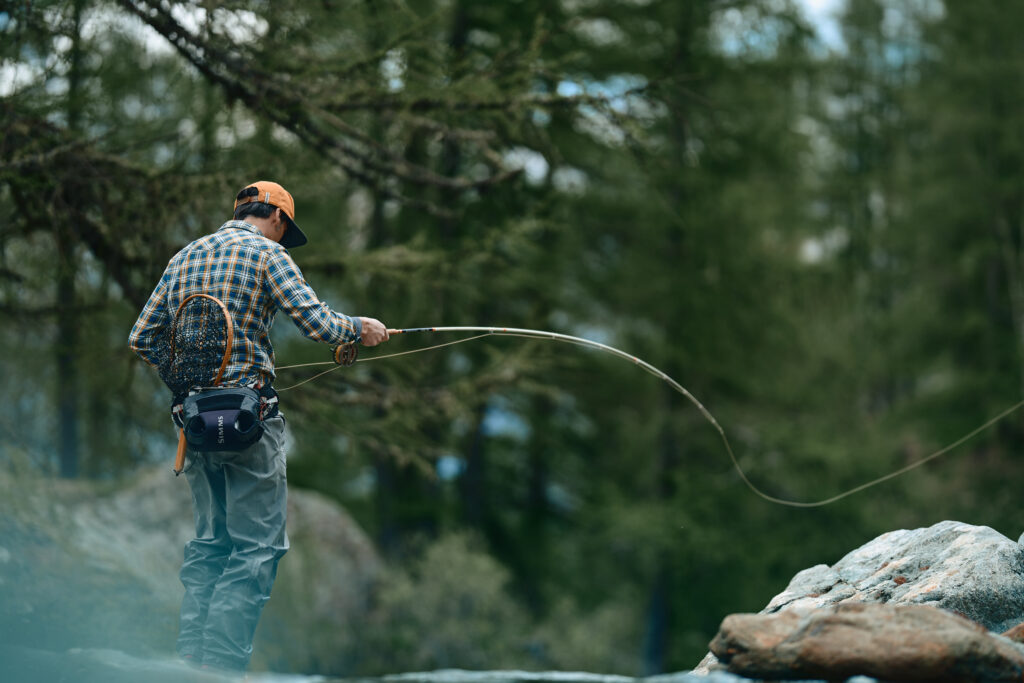
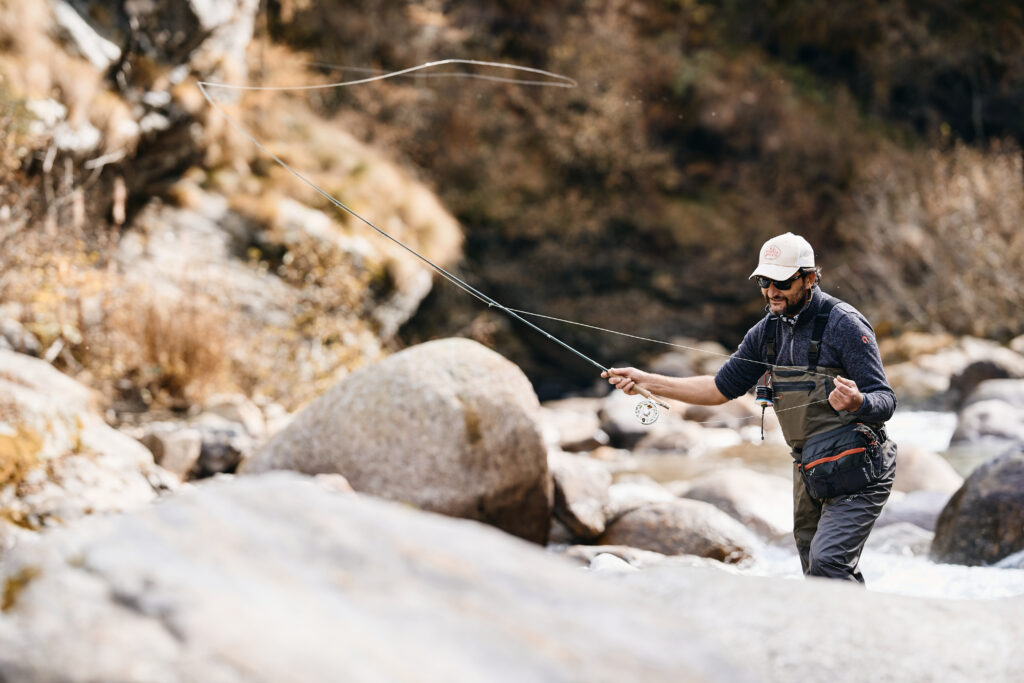
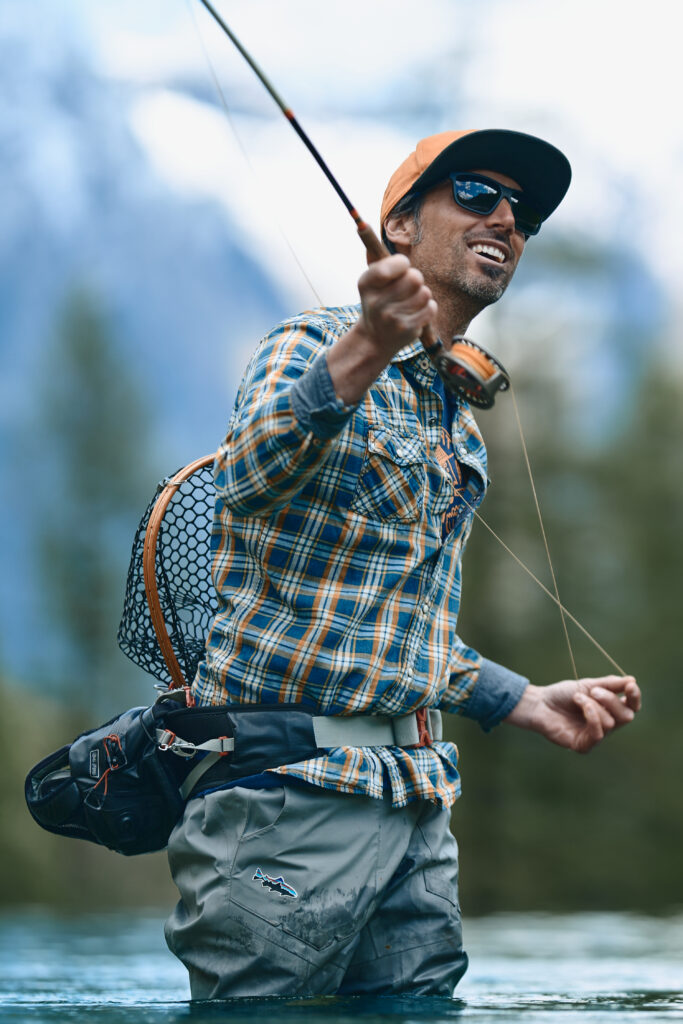
-fly-fishing, which involves the use of artificial baits that 'imitate' both aquatic and terrestrial insects on which trout feed. It is considered by many to be an art because the line casts the bait (which can be dry for surface fishing, submerged for bottom fishing or streamer by moving the bait in the flow of the current simulating other small fish)
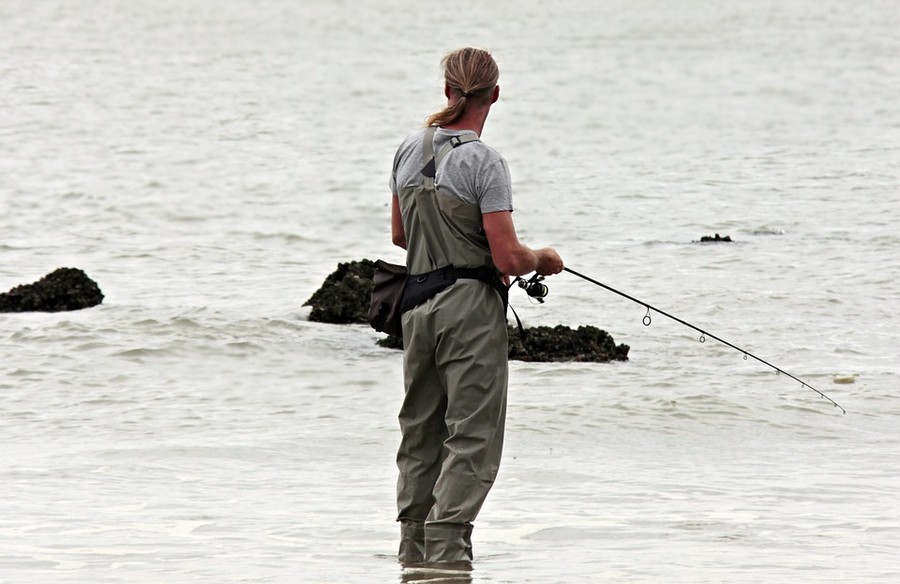
-spinning fishing (from the movement of the lure, spin-rolling) with rotating spoons with good results on predatory fish.
Now you are ready! All you have to do is buy a permit at the resale points and join us!
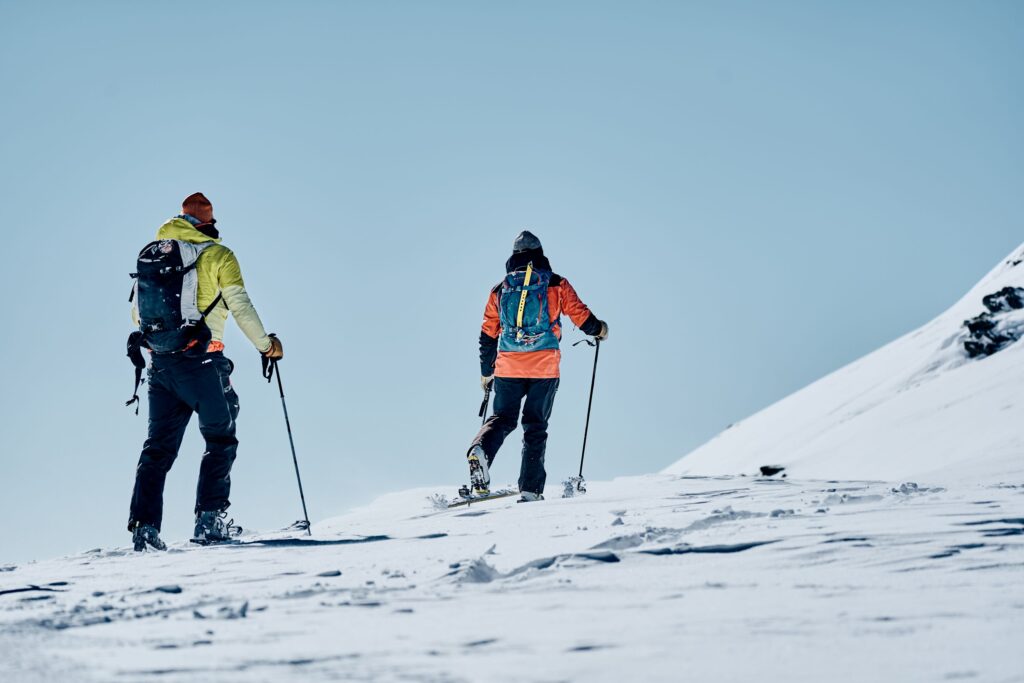
Did you know that in Alagna, winter never ends and the lifts operate every day until 14 April?
In April, the ski pass has advantageous prices, the slopes are still perfect and there are no queues. But above all, spring snow opens the door to ski mountaineering, which can caress our mountains with delicate passion. Ski mountaineering is pure, stylish and green, and in Alagna it has endless possibilities.
Spring is the perfect season for skiing while respecting the environment! Moreover, climate change is getting us used to increasingly late and abundant snowfalls.
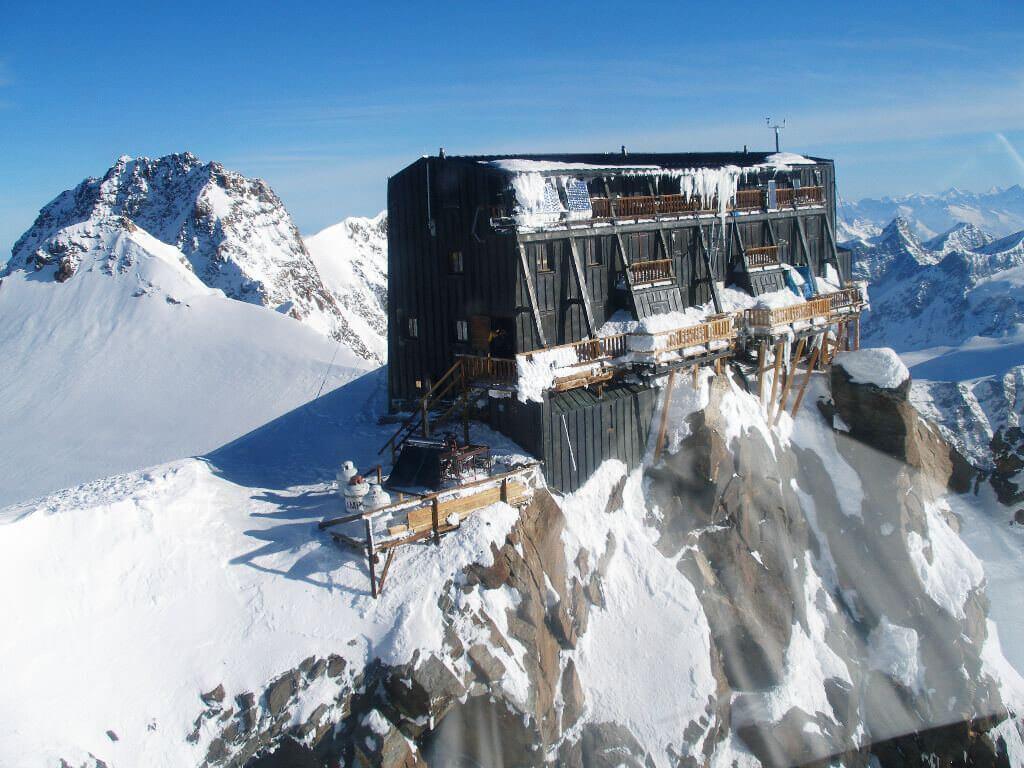
In spring, the High Altitude Refuges open, advanced base camps for all climbs on Monte Rosa.
150 years of mountaineering stories, adventures and dreams. But they are years well-spent!
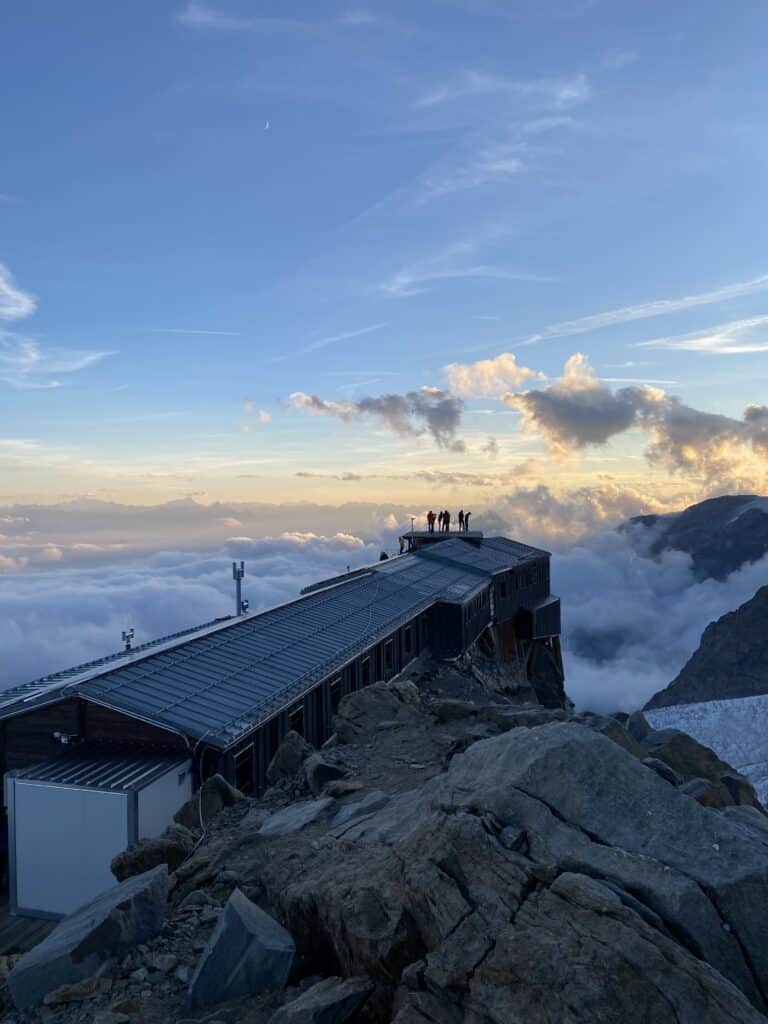
Would you like to see the sunset from the 3647 metres of the Capanna Gnifetti?
Forget the itchy old wool blankets, candle butts and the usual soup served on plastic plates! The Monterosa refuges are state-of-the-art with all the comforts; duvets, hot showers, menus worthy of the best restaurants and, for the health of the planet on which we all live, all plastic free! No plastic and, less plastic, less rubbish. Less rubbish, fewer helicopter trips, less pollution and so on!
Monte Rosa Refuges We love you!
Have you ever seen a core drill of a glacier? (as CNR glacier scientists usually do in the summer) it's amazing how well you can see the deposits that have formed over the years and understand a lot about climate change, drought years and glaciation years at a glance.
Interesting, isn't it?
In Alagna we joined the Caravan of Ice Project and also the Paw Project (Protect our Winter)
And we want to raise awareness among our guests:
We offer reusable water bottles to those who visit us. You will find them soon.
The restaurateurs have reduced costs for the Pure Water tappers known as 'del Sindaco' because in Alagna we really don't like disposable bottles!
We played easy with water because we have plenty of it here; every hamlet has its own bubbling fountain and so does every mountain pasture. But not because we have plenty of water, we don't like to waste it and especially pollute it!
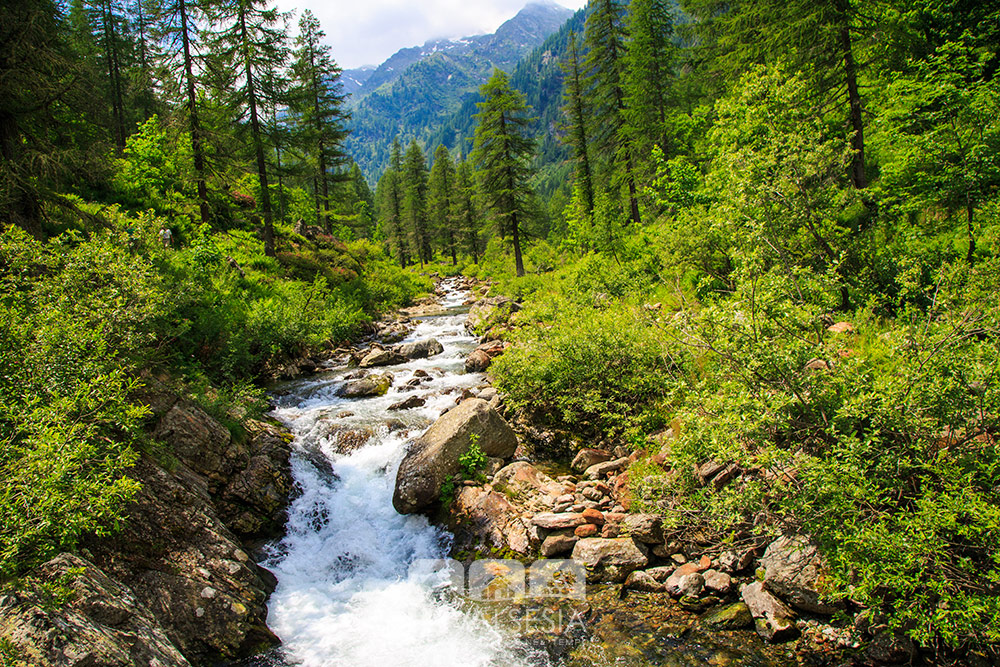
The Sesia? Our river, which in Alagna is just beginning its long adventure, here is crystal clear and bubbling and is part of our culture and its waterfalls and cascades are our background music. We cherish our river!
In its waters, fishing is allowed, which begins in spring (the Tourist Fishing Section opens on 25 April).
HERE you will find all the details.
You can catch many varieties of trout, but the most common, typical of Alpine areas, is the Fario trout, tasty in carpione with vinegar and various herbs or baked with potatoes. But there are also those who eat it with polenta and swear it is the perfect combination.
These are traditional recipes, part of the history and culture of Alagna. Foods of a peasant population that has always fed itself on what the land offered it. Without plundering, but in a continuous exchange of peaceful coexistence.
The people of Alagna have always taken care of their land and have cultivated, reclaimed and carefully tended each side of the mountain for centuries, building fields bordered by walls and connected by stone stairs that are a spectacle for the eyes and a masterpiece of craftsmanship.
In 2024, the municipality will be redeveloping, in collaboration with the Symbiosis project, this architectural marvel that is now in danger of becoming a forest again.
Stay tuned, we will inform you about the progress of the project!
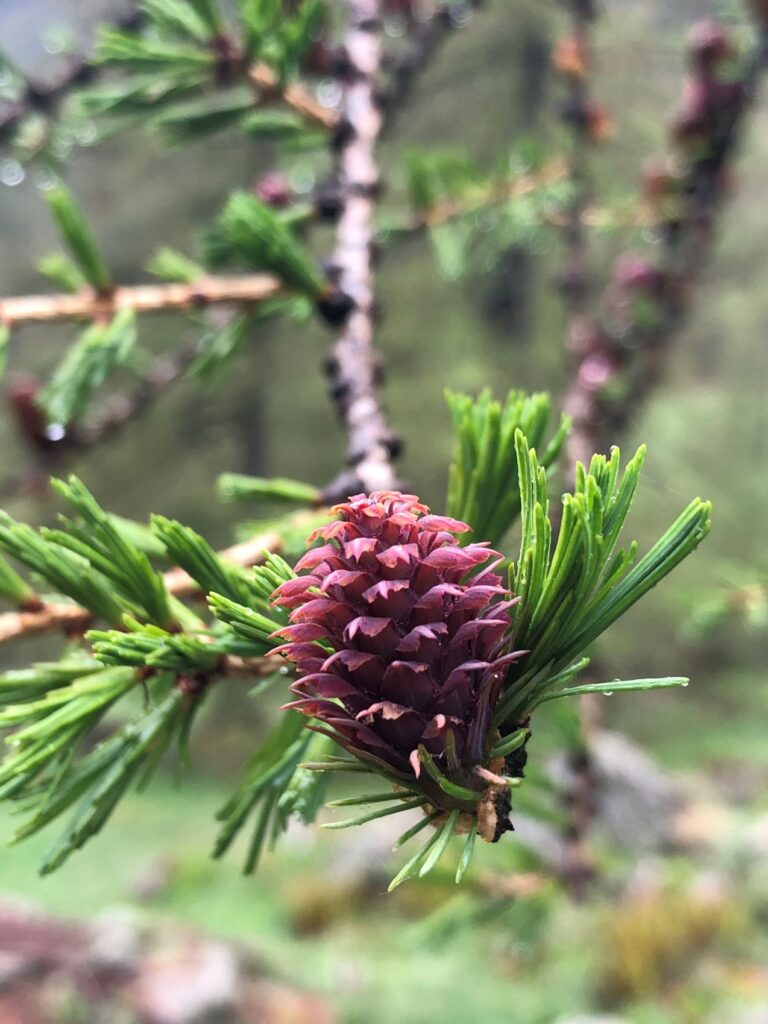
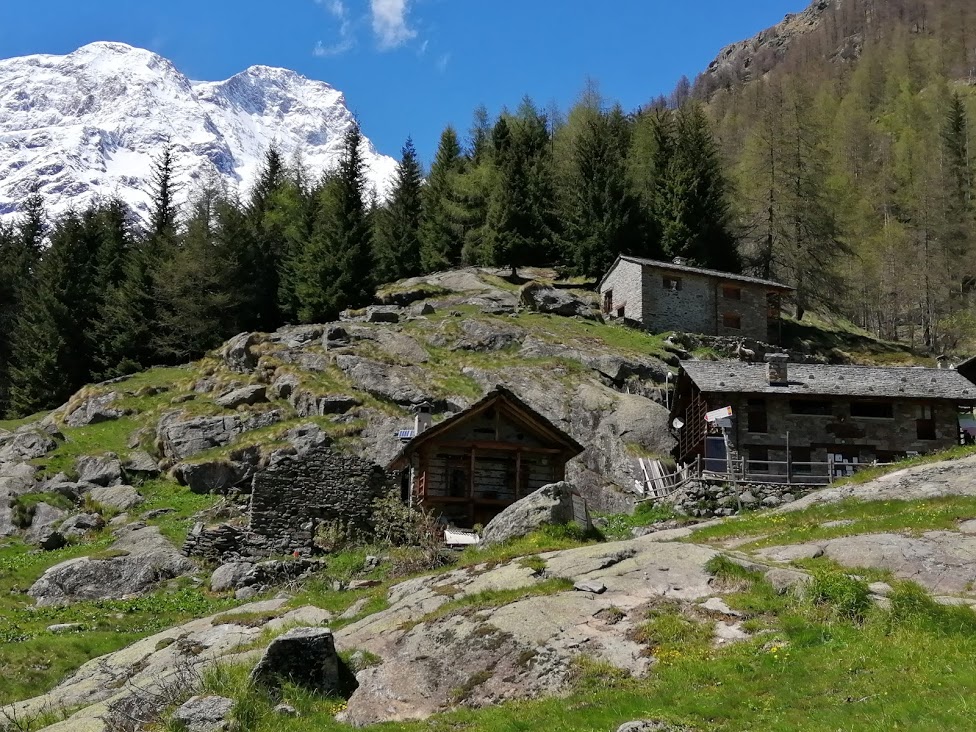

31 March Easter, the smell of spring, birds singing and flowers already sprouting even in Alagna, but we still feel like skiing! Read our proposals to enter the warm season in perfect shape! The Monterosa ski resort is open until 14 April!
Set off on a breathtaking descent from Passo dei Salati, all the way down the Vallone d'Olen, a black slope, but what a fun ride!
Stop in Pianalunga for a drink at the Alpenstop and then down again to the Grande Halte at Mimmo's, and finally a pit stop at the Wittine DerShoppf is a must!
Still not satisfied? You can take the gondola again and from the Passo dei Salati do some legwork towards Gressoney and Champoluc!
Do you like skiing but the scent of spring and the first green grass drags you towards paths that are already passable?
We have what you're looking for… if you want to breathe deeply and admire the beauty of the Walser hamlets, we'll take you for a walk in Valle Vogna where time has stood still. As you walk along the beautiful sunny path of the high hamlets, you can wander among old stone walls and majestic wooden beams, come across small glimpses of daily life and stumble across flocks of goats scattered here and there.
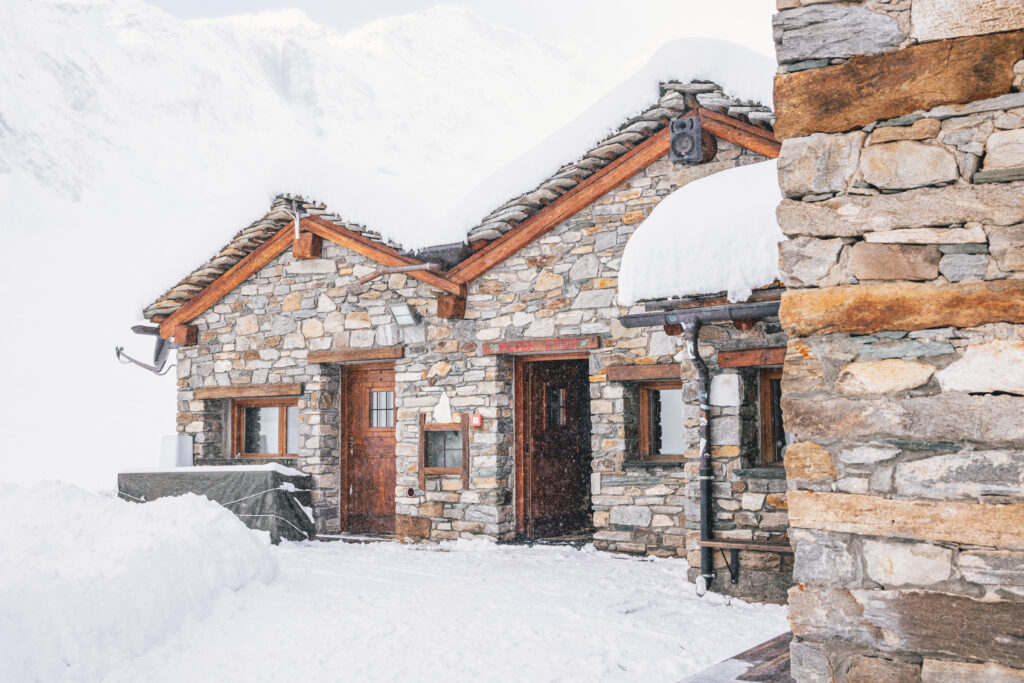
You are in Alagna and you cannot miss the walk to the Rifugio Pastore!
We are in the Alta Valsesia Natural Park area and the ibexes are its guardians. With circumspect eyes, they will lead you up to Rifugio Pastore, towering above the majestic south face of Monte Rosa. Spectacular views guaranteed!
Scattered patches of snow will make the spring air crisp, but after the exertion of the route, the hut kitchen is a due reward!
Oh, I forgot, you are in the presence of Her Majesty the Queen, the Capanna Margherita, so don't forget to bring a good pair of binoculars!
If the trail permits, a ride to the Zar Senni refuge in the Otro valley is a must.
Once you arrive at your destination, you will be left speechless, what can you say about such marvels?
The little white church, the refuge, 4/5 hamlets, the oldest ones to be visited… what more could you want? We expect lots of photos here
If you want to work your muscles in the gym, you have to go! Our climbing gym is indoor and you will be welcomed by our Guide Corps. Simple routes, complex routes, there's something for everyone! For ice cream flavours, on the other hand, you will find the Der Gourner bakery next door!
If you want to become an armourer, you must land in Alagna!
For times and lessons have a look here
We won't forget you river pirates, but we can't make it by Easter!
We have to wait a little longer, but for those who want to here we have all the contacts!
We are well versed in culture, so to keep your mind sharp we take you on a tour of our Walser Museum in Pedemonte. On 30-31 March and 1 April, a visit to the museum is recommended. Casa Daverio next door is also worth a look.
Here all the timetables and some more info!
If you didn't arrive breathless, then you have room to sip an excellent aperitif in our bars, from the most extravagant cocktails to our infamous Genepy … and as a final reward for this 'fit Easter' enjoy a nice gargantuan dinner in one of our typical restaurants!
If you feel satisfied, we look forward to seeing you in the summer, here you will find everything you need for your next SUMMER IN SHAPE!
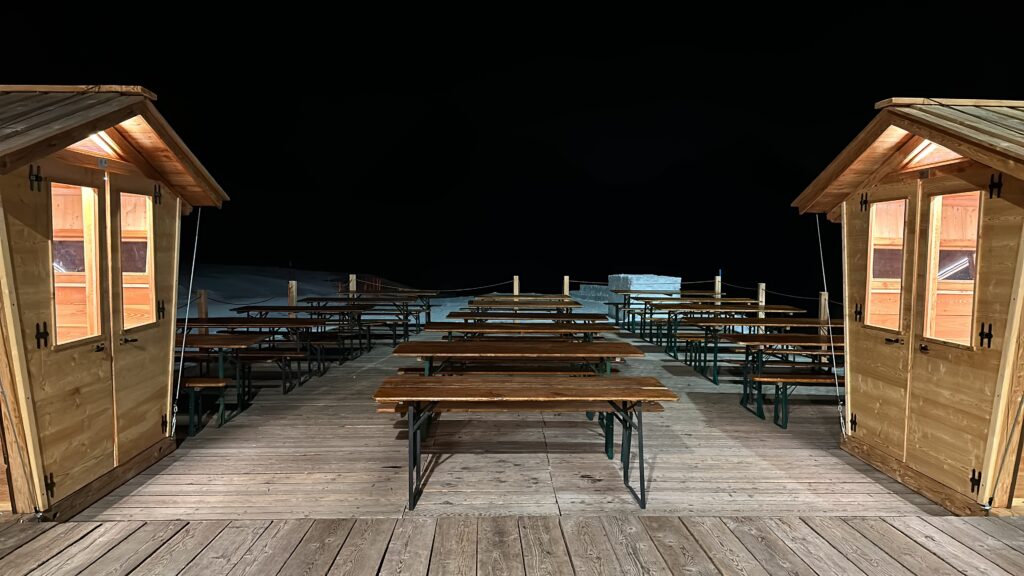
Today we want to tell you about our dinner at high altitude.
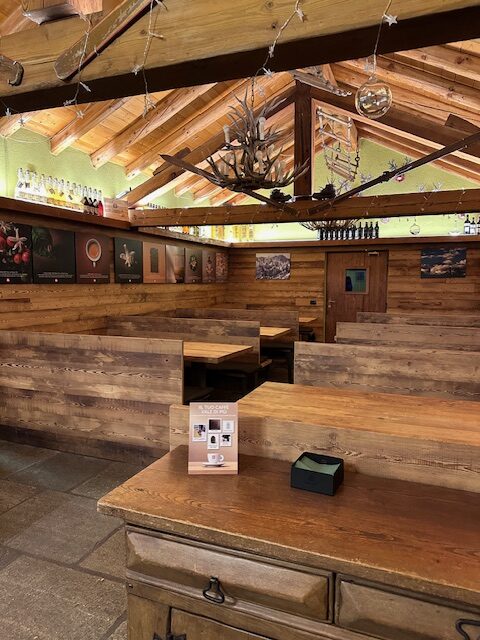
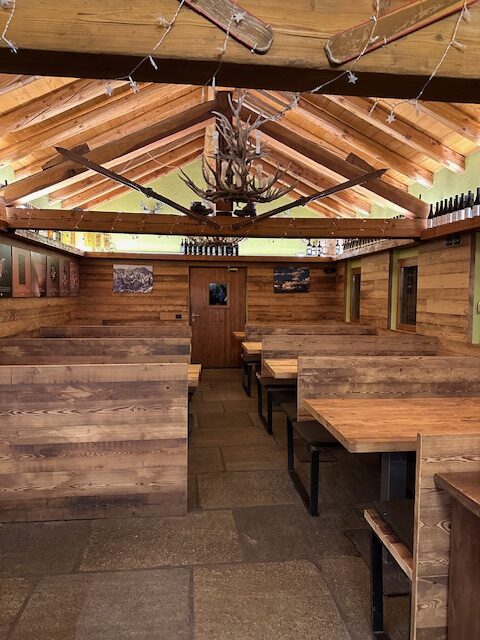
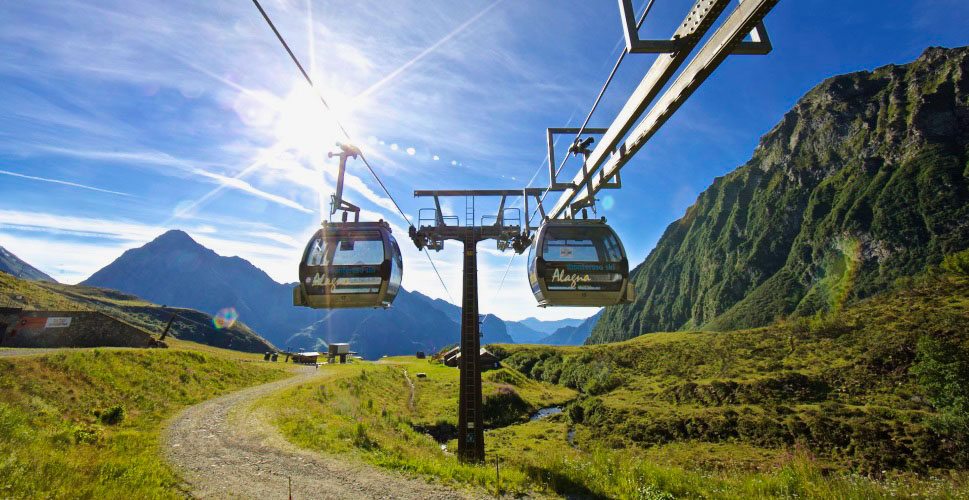
Having decided to participate in the Dinner at High Altitude event at 2000 m, after contacting the structure, in this case the Alpenstop restaurant in Pianalunga, we boarded the cable car.
To be perfectly honest, the manager kindly invited us, but that is the practice.
If you have never seen Alagna at night from above, with its beautifully lit rooftops, you absolutely must try it.
Not to mention the winter sky visible from Pianalunga, it seems you can touch the stars!
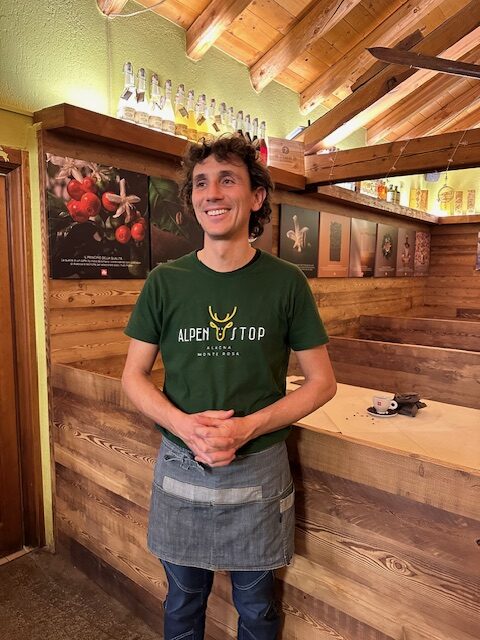
Waiting for us was Luca Monfrini, the manager, a young entrepreneur who chose to leave the city to live in the mountains, which, with good food, is one of his strongest passions.
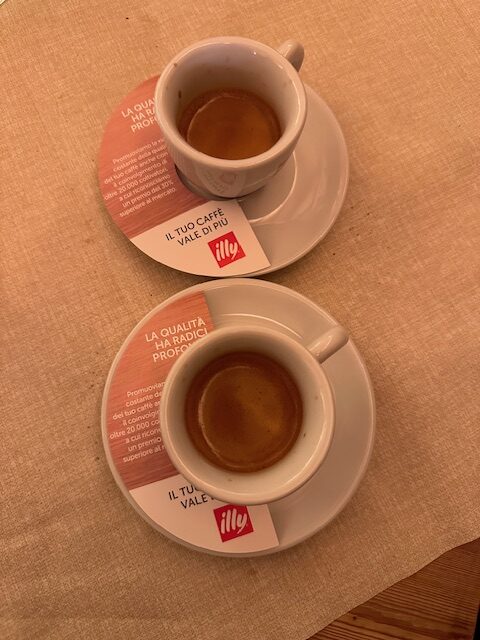
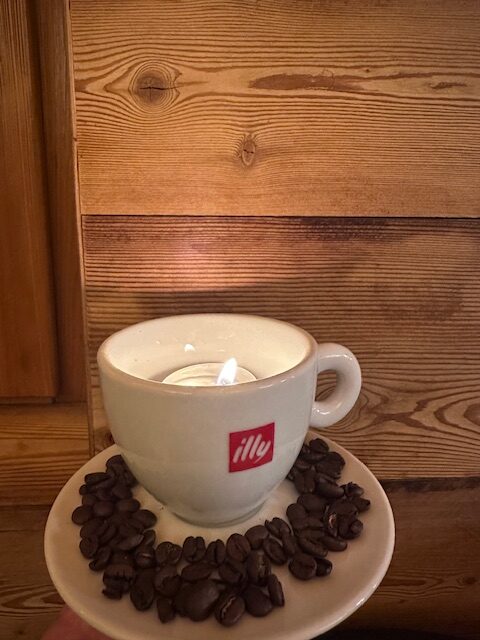
The evening's menu is entirely dedicated to Illy Coffee, skilfully used by Chef Corrado Resini to embellish the dishes ( the Chef is truly well-rounded, and beyond the theme evenings, he will always propose a wide variety of curious dishes ).
We are offered an aperitif that is by no means trivial, a tartare served in a cappuccino cup enriched with coffee powder paired with a good glass of prosecco.
We continue the evening tasting a fantastic risotto, a delicate wild boar dish and a sublime dessert. All accompanied by the detailed account of Davide Vialardi, agent of Illy Caffè. Trying new combinations, we are more aware that today's coffee cultivation is absolutely sustainable, so we feel more involved in the well-being of the planet.
We tried this hut, but Grand Halte and Wittine Der Shoppf are also part of the 'Dinners at High Altitude' offer at 2000 m.
All the huts mentioned above are located along the ski slopes.
Contact them to find out about their culinary menus!
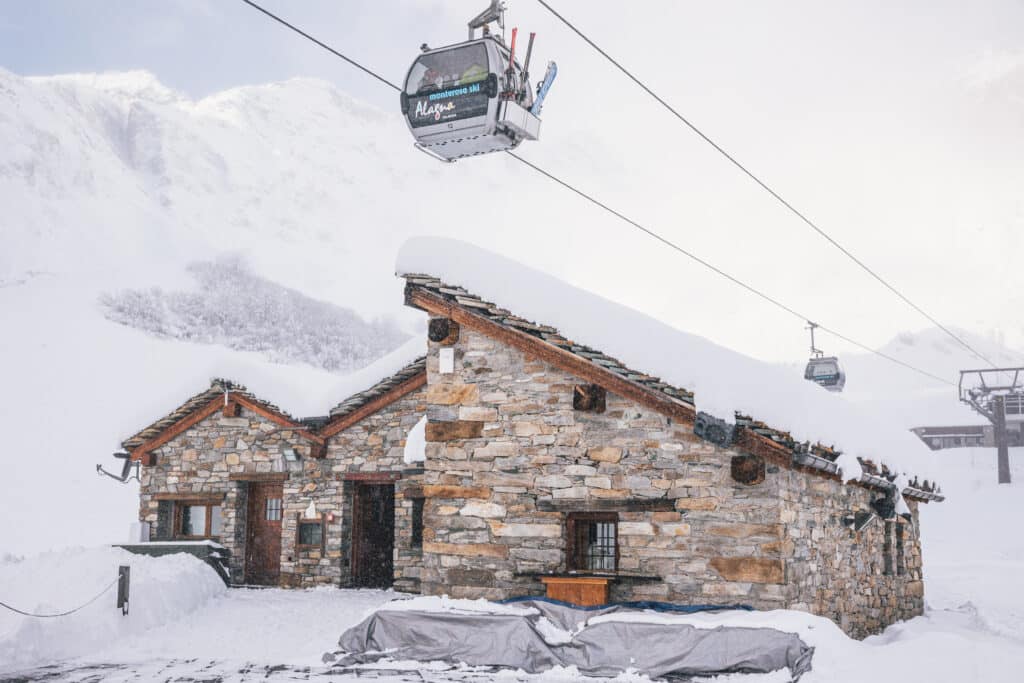
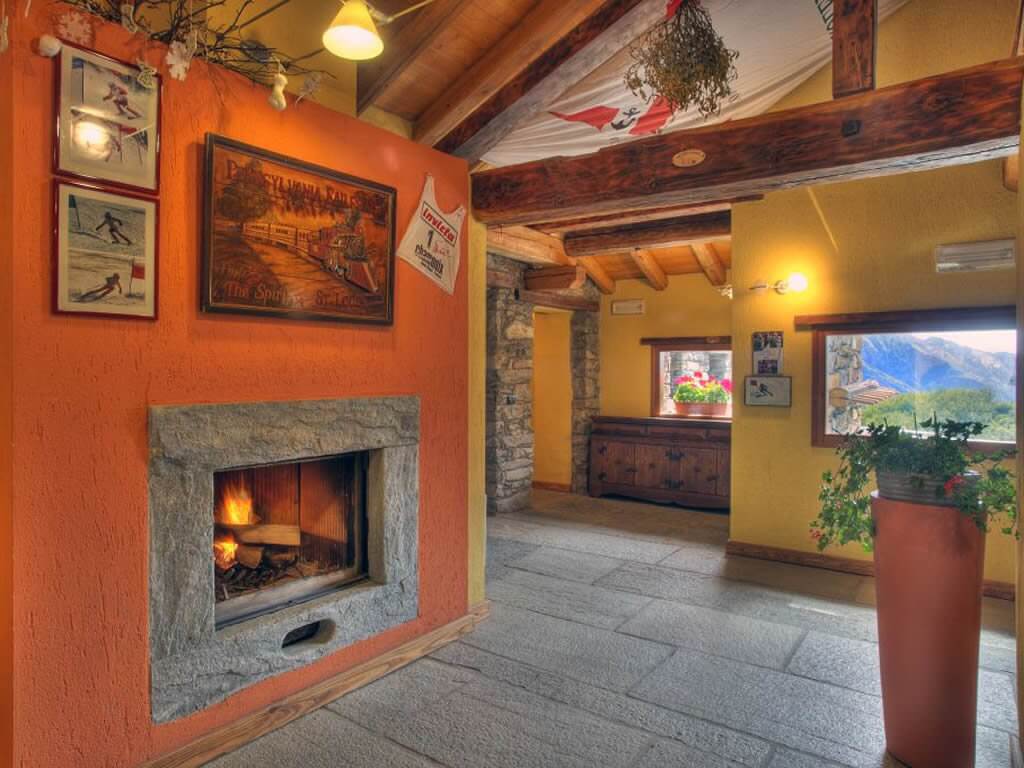
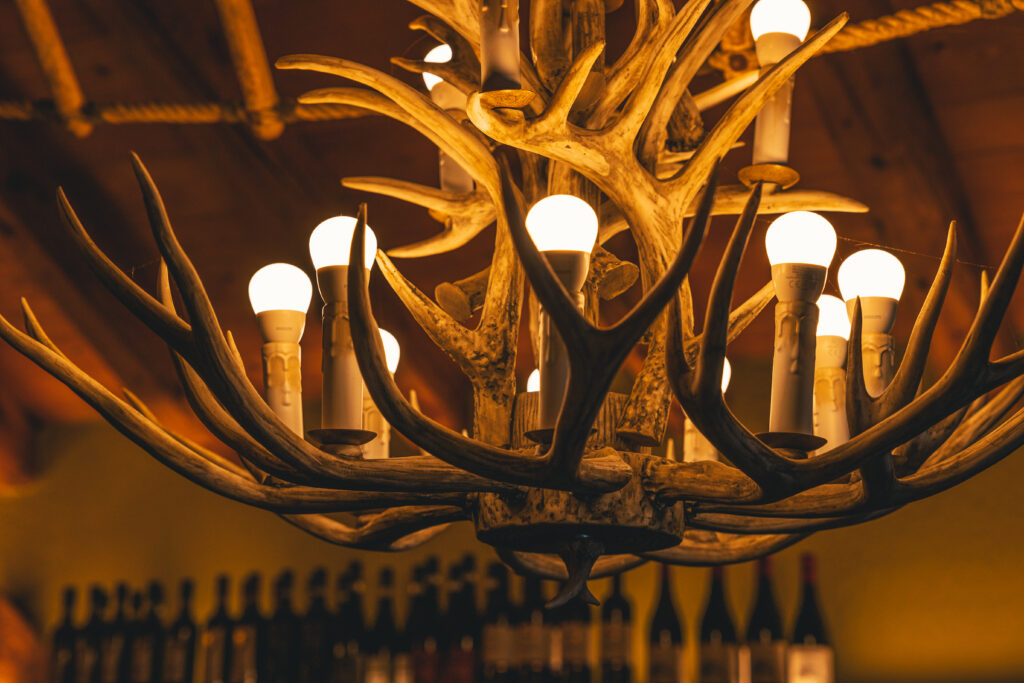
Attraverso questo video “Vogliamo raccontarvi la storia di un’antica montagna di ghiaccio. Nessuno tra gli uomini sa dire quando sia venuta al mondo ma le rocce più antiche, si narra, abbiano 300 milioni di anni”.
Nel cuore delle Alpi, "Terra Nostra "rivela l'essenza della cultura Walser di Alagna Valsesia. Un viaggio attraverso la storia e le tradizioni accompagnato dalla regia sensibile di Chiara Guglielmina che, con Eterno prima e ora con Terra Nostra, cerca di parlare della sua terra e della sua gente con estrema delicatezza e poesia. Un inno alle origini Walser e alla loro eredità impareggiabile in questo angolo di mondo.
E' con la venuta dei Walser, popolazione germanica, che queste terre a cospetto del Monte Rosa hanno preso vita e grazie all’ utilizzo di materiali locali, legno e pietra, e mani sapienti di fini artigiani, è nato il villaggio di Alagna.
Poche case, prima sui pendii, ben esposte al sole, poi divenute villaggi, piccoli dorf completamente autosufficienti.
Sono passati 8oo anni e Alagna mostra ancora le sue origini e le sue tradizioni.
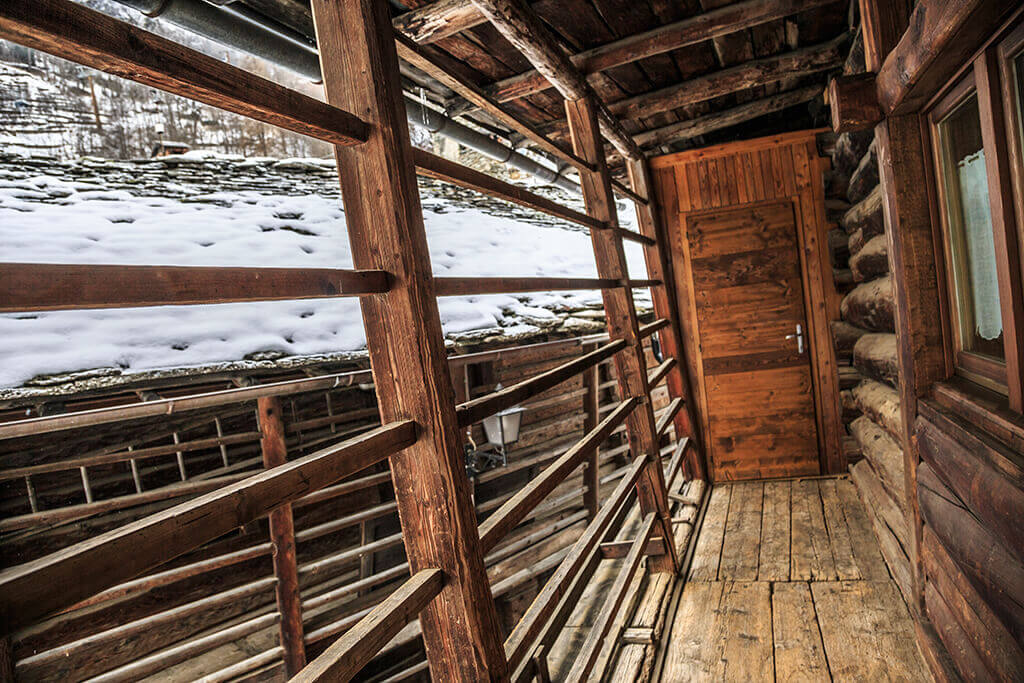
Le case delle frazioni, ben conservate, hanno resistito al passare degli anni e alle intemperie grazie alla loro unicità e ad alcuni accorgimenti come strutture solide con sistema a blockbau, legni resinosi in esterno, tetti in piode spioventi, la maggior parte delle case venivano costruite a ridosso l’una con l’altra per proteggersi dagli agenti atmosferici. Monterosa terra di tradizioni millenarie
Ci trovate alle fontane frazionali, nei locali a raccontare di giornate di caccia o della trota pescata in acque d’alta quota e per questo più appetibile.
Ci trovate laddove vediamo un prato sfalciato, un muretto a secco che torna a vivere, un sentiero pulito dalla neve.
Certo, il Walser moderno, oggi, ha tutte le comodità ed ha imparato a vivere di turismo ma non dimentica il Monterosa, la sua terra e le sue tradizioni.
Il Monterosa con le sue cime che raggiungono e a volte superano i 4000 m, offre esperienze senza pari.
Per gli alpinisti l’emozione di raggiungere il punto più alto circondati da un panorama senza tempo, è pura avventura.
Durante le escursioni e le scalate, i Rifugi Monterosa offrono un punto d’appoggio e un’opportunità per ricaricare le energie.
Alagna con i suoi 1500 posti letto, 450.000 presenze, oltre 2 milioni di passaggi sugli impianti a fune, è parte del comprensorio sciistico Monterosa Ski.
200 km di piste, natura e adrenalina che si fondono in uno scenario senza eguali.
Immaginatevi di poter entrare in punta di piedi in questa nostra custodita realtà, e percepire l’armonia tra uomo e natura, tra antico e moderno che da anni cerchiamo gelosamente di preservare.
Benvenuti nella Nostra Terra!
Passa a trovarci, ci trovi qui
IL MONDO LEGGENDARIO DI ALAGNA
Alagna è famosa per la sua ricca tradizione culturale e storica, e le leggende Walser sono un elemento importante della cultura locale. I Walser si vantavano di saper leggere i destini nei fatti della vita quotidiana, avevano una cultura magica variegata e anelavano alla libertà di pensiero, venerando le proprie origini, in un vorticoso universo di leggende e favole e storie vere, che animavano le lunghe serate invernali e che si sono mantenute fino ad oggi.
Vi accompagnamo alla scoperta di una piccola parte di questo mondo.
IL SENSO DELLA VITA E DELLA MORTE
Esisteva un senso di continuità tra il mondo dei vivi e quello dei morti. Molti sostenevano di percepire l’arrivo della morte attraverso vari segnali come il sentire gocciolare senza pioggia, sentire ululare la volpe, sentir bussare alla porta o vederla spalancarsi senza nessuna presenza fisica, vedere piccoli turbinii che sollevavano fieno o neve senza che vi fosse vento. Tutti presagi di morte imminente!
LA FINESTRELLA DELL’ANIMA
Le case erano in qualche modo già predisposte per il “passaggio” da una dimensione all’altra. La finestra dell’anima infatti era una piccola apertura costruita nella parete della stube che veniva aperta alla morte di un famigliare per liberarne l’anima diretta verso i ghiacciai del Monte Rosa. Qui doveva purgare i peccati commessi in vita. La finestra veniva poi richiusa subito dopo affinché l’anima non trovasse la via del ritorno.
LA PROCESSIONE DEI MORTI
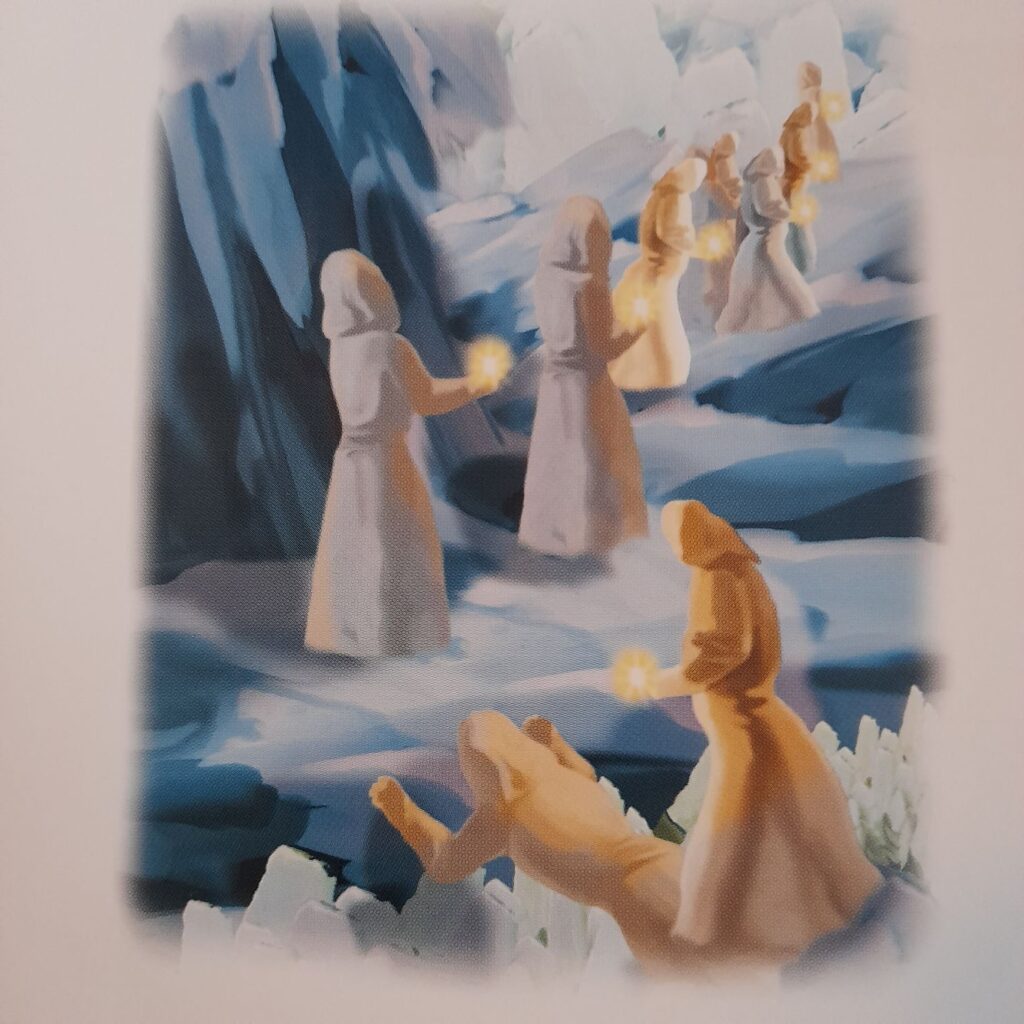
Legata alle anime sul ghiacciaio è la processione dei morti. Si diceva, e si dice ancora, che il corteo partisse per il ghiacciaio di Bors nella notte fra il 1 e il 2 novembre. “Dal fondo dei burroni, dal letto dei torrenti, dai cimiteri delle valli del Monte Rosa, si levano i morti e si mettono in cammino verso la loro montagna. Ogni scheletro ha il dito mignolo infuocato e quel lumicino lo guida nel cammino. Se incontrano un uomo vivo lo fermano, lo fanno cavaliere e gli donano una bacchetta per dirigere la processione, così che la folla dietro a lui possa procedere rapidamente e superare ogni difficoltà. Quando trovano un burrone od un torrente, la più colpevole tra le anime dipartire si fa innanzi, allunga le braccia e le gambe fino a raggiungere la sponda opposta, facendosi ponte per gli altri. Quando le sue mani toccano l’altra riva la fila dei morti passa sullo scheletro scricchiolante e attende il passaggio della schiera. La processione raggiunge i ghiacciai prima dell’alba e lì, in penitenza, inizia l’espiazione dei peccati picchiettando il ghiacciaio con degli spilli e il suono si diffonde nelle valli”
Tali leggende non sono solo fonte di intrattenimento, ma contribuiscono anche a preservare la storia e la cultura della comunità Walser. Esse possono riguardare aspetti della vita quotidiana, credenze culturali, o spiegare l'origine di determinati luoghi o tradizioni.
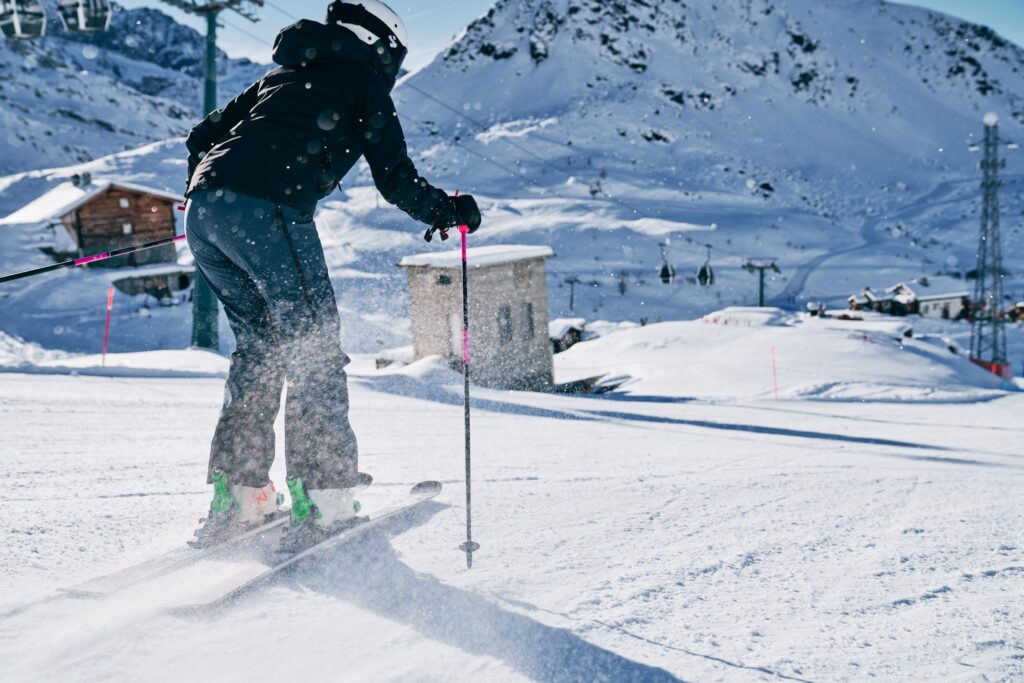
"Monterosa Ski: Downhill Skiers' Paradise".
The majestic peaks of the Monte Rosa massif, in the heart of the Alps, have always been an irresistible lure for winter sports enthusiasts. Among the many activities that can be practised in this area, downhill skiing occupies a prominent place, offering unforgettable emotions to enthusiasts.
A unique snow experience: Monterosa Ski is one of the most prestigious and fascinating ski resorts in the world. Located in the enchanting region of the Pennine Alps, it offers a wide variety of ski slopes,
The Ski Slopes: One of the distinguishing features of Monterosa Ski is the vast network of ski slopes that cross the three main ski resorts: Champoluc, Gressoney, and Alagna Valsesia.
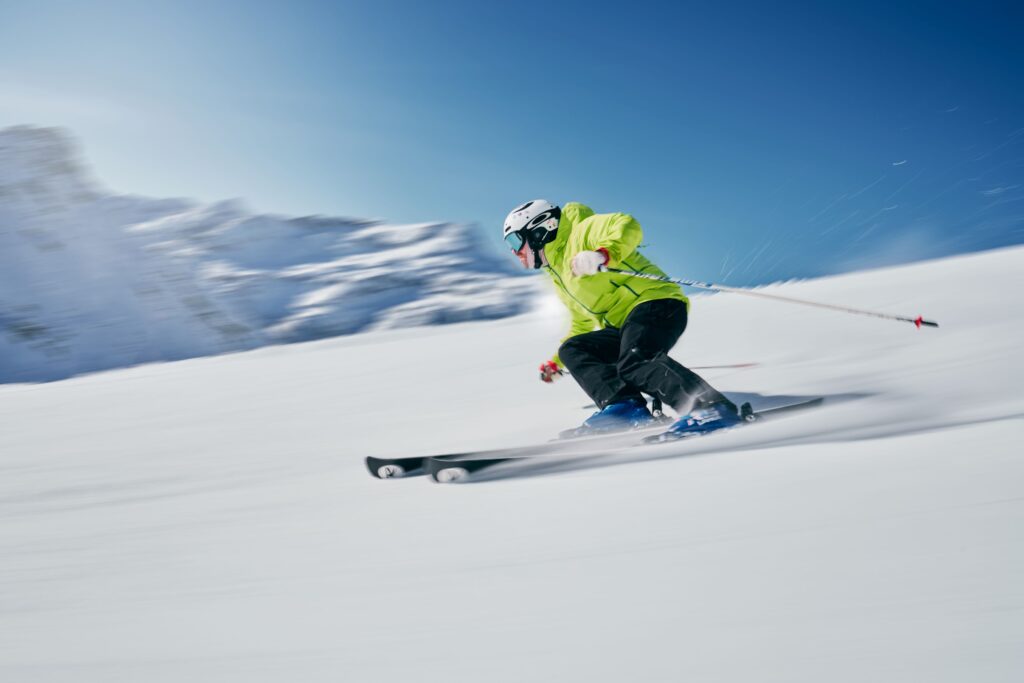
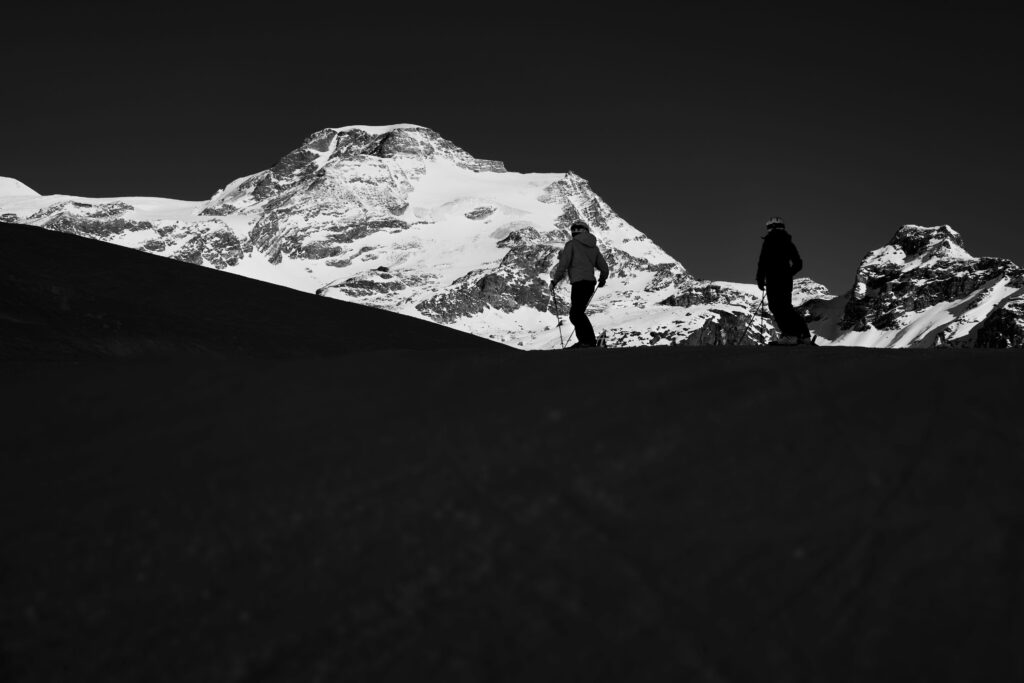
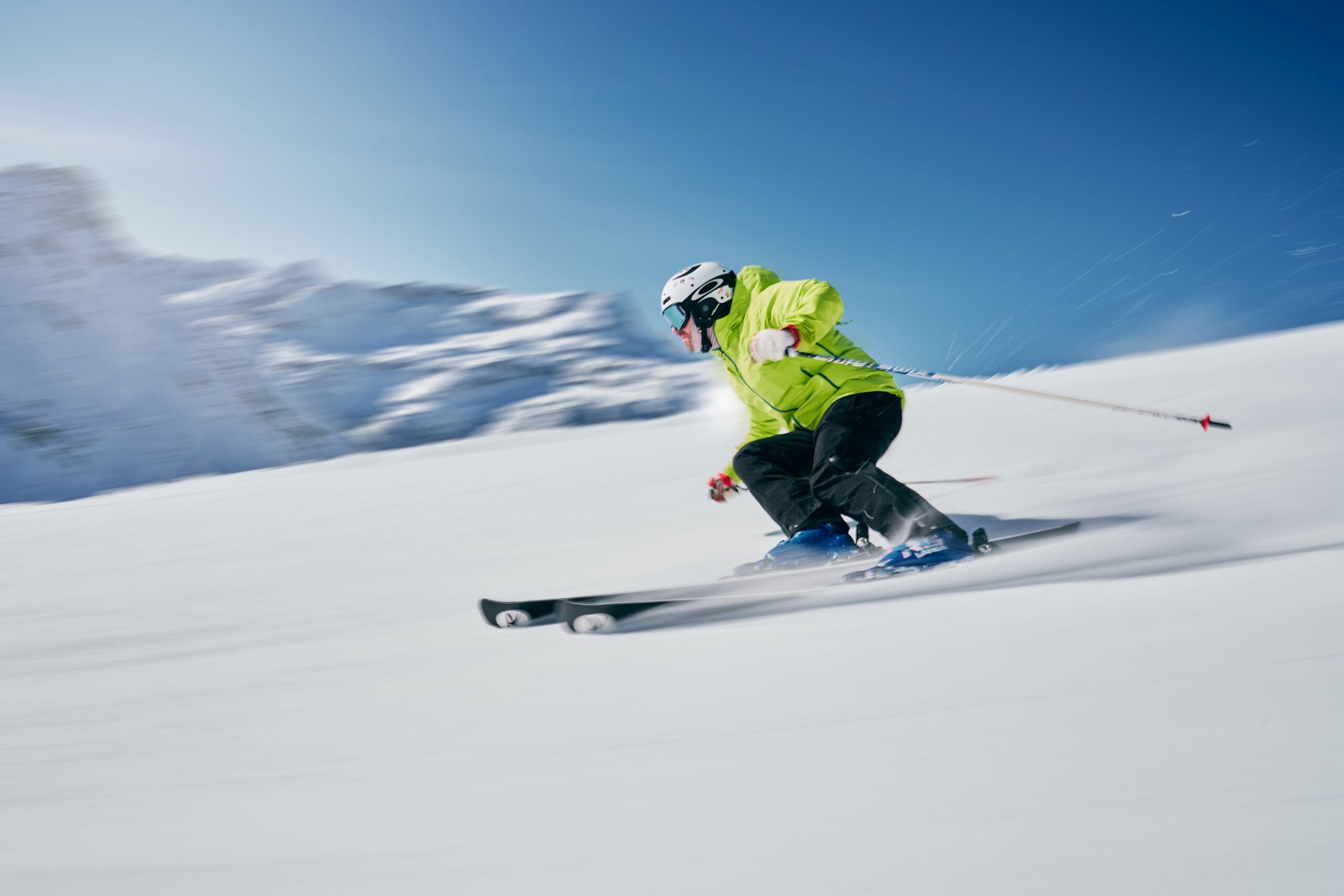
Monterosa Ski's perfectly prepared and groomed slopes offer optimal conditions for downhill skiing. Lovers of speed and adrenaline will find tracks that meet their expectations, while those who prefer a more leisurely descent can enjoy the panoramic slopes that offer spectacular views of Monte Rosa and the surrounding area.
From ski lessons for beginners to state-of-the-art equipment shops, there is something for everyone. In addition, the refuges on the slopes offer an ideal opportunity to sample the local cuisine and refresh yourself between descents.
Monterosa Ski confirms itself as an unmissable destination for downhill ski lovers.
Want to know the situation on the slopes in real time?
The webcams offer a virtual window on the beauty of the mountain and represent an invaluable tool for winter sports enthusiasts, hikers and all those wishing to explore the wonders of Alpine nature. These devices allow you to get a real-time view of weather conditions, visibility and piste activity, providing useful information for planning your activities in the mountains.
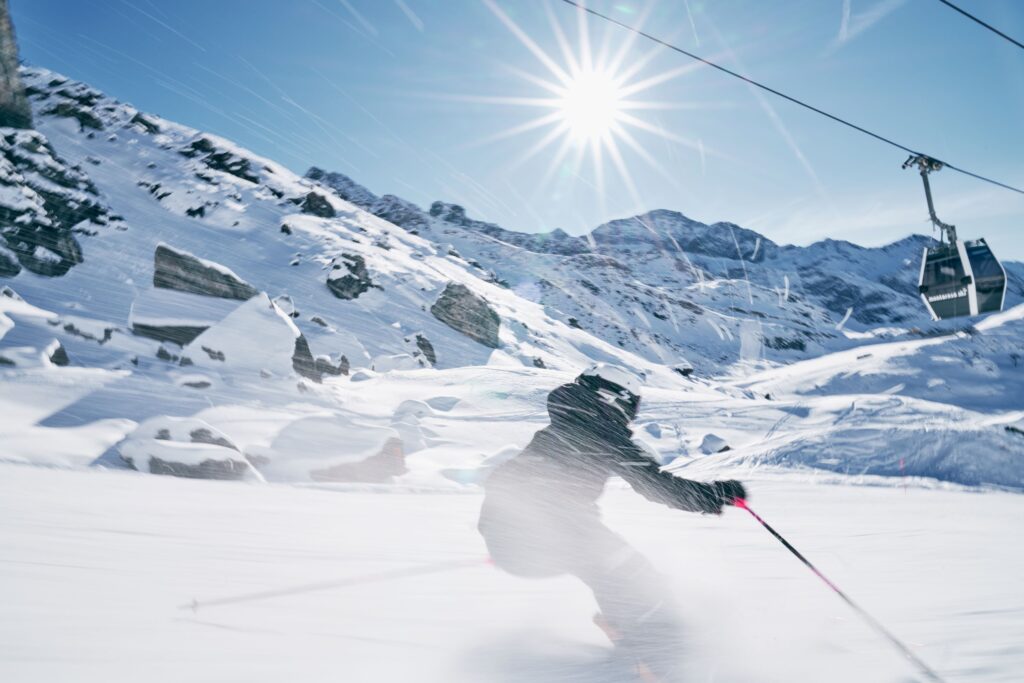
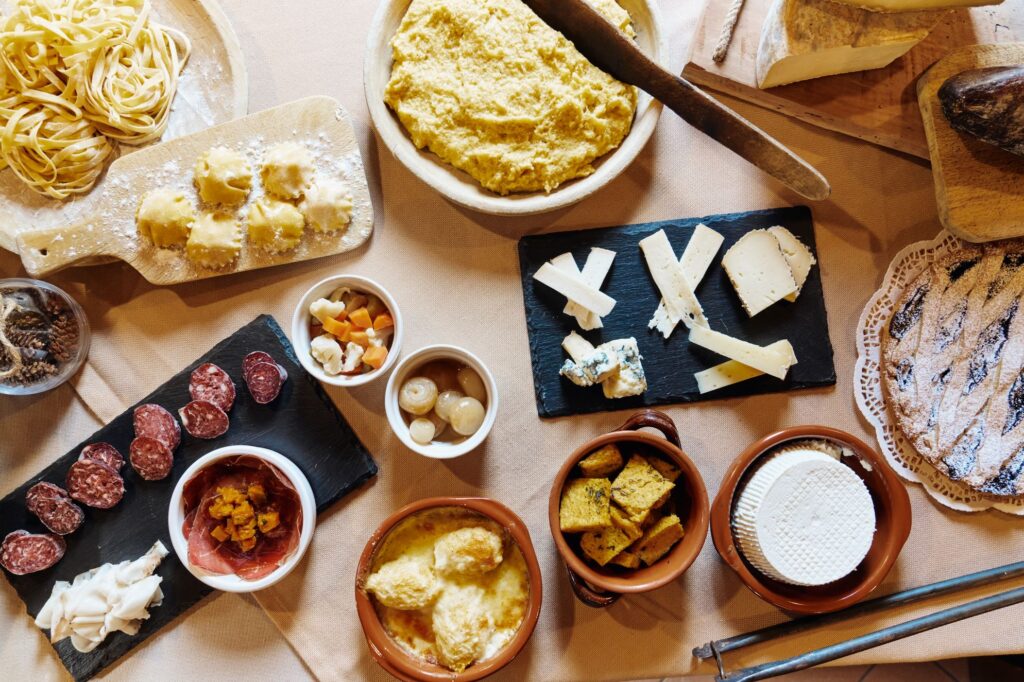
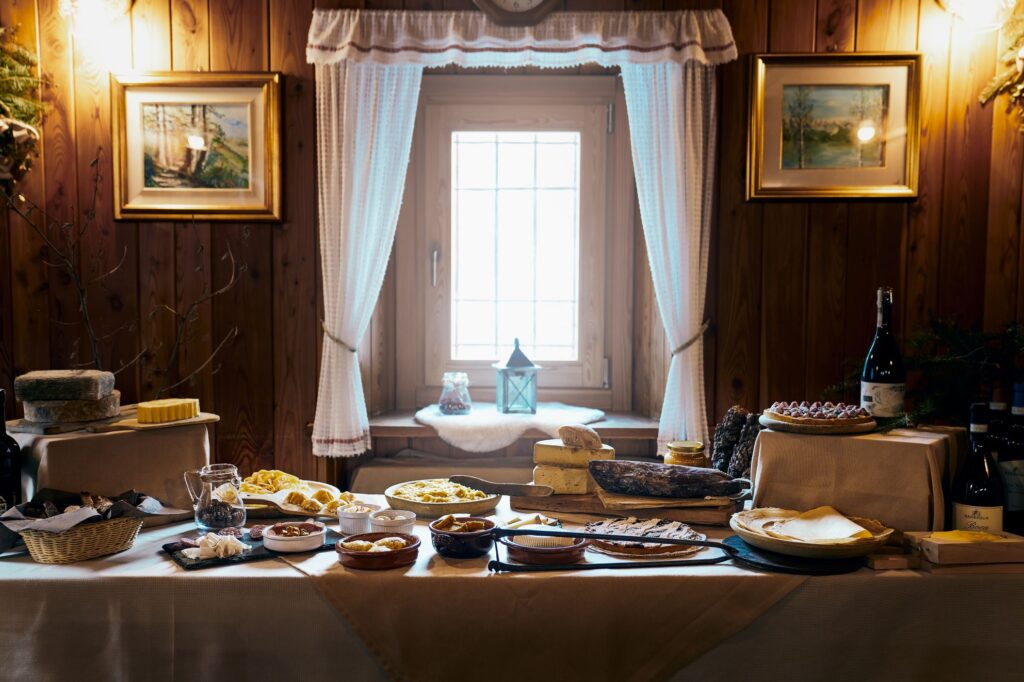
Tastes of the Mountains: A Gastronomic Journey through High-Altitude Dishes
The mountain regions of the world not only offer breathtaking views and fresh, clean air, but also a rich culinary tradition. Typical mountain dishes often feature local, robust and nutritious ingredients that meet the needs of residents living in sometimes adverse environments. In this gastronomic journey through the peaks of the world, we will explore some of the typical dishes that characterise Alagnese cuisine. The recipes are, in part, taken from the publication:” Valli del Rosa in cucina” by Idea Editrice.
Low-fat diet forbidden!
D'LAND TURTA - ALAGNA CAKE
Ingredients for 10 persons:
Wheat flour g.150; cream dl 4; butter g 150; caster sugar g 100; red wine dl 5; eggs n 4; corn flour g 80; milk dl 2; yeast g 6; salami g 50; toma cheese g 50; apples g 300; dried figs g 100; sultanas g 100.
The cake was only made in winter because milk produced in the first few days after the cow had calved was needed to make it. As this milk heated up, it coagulated, allowing the cake to remain soft. It was then baked for a few minutes on a tripod and then placed inside covered with embers.
Preparation
Mix the flours evenly. Prepare the toppings: the sausage blanched and cut into small pieces, the cheese cubed as well as the figs and apples. In a bowl, now combine the eggs, part of the milk, add the flours, mixing to obtain a homogeneous mixture without lumps; continue until all the ingredients have been used up (the yeast must be diluted in the water, while the butter must be added at the end, just before adding the toppings). The mixture obtained should have a soft consistency. Now pour it into a non-stick pastry mould (or into a container that must in any case be buttered and floured) and place it in the oven at a temperature of 180°c for at least 20 minutes
MILIJENTSCHA - MIACCE
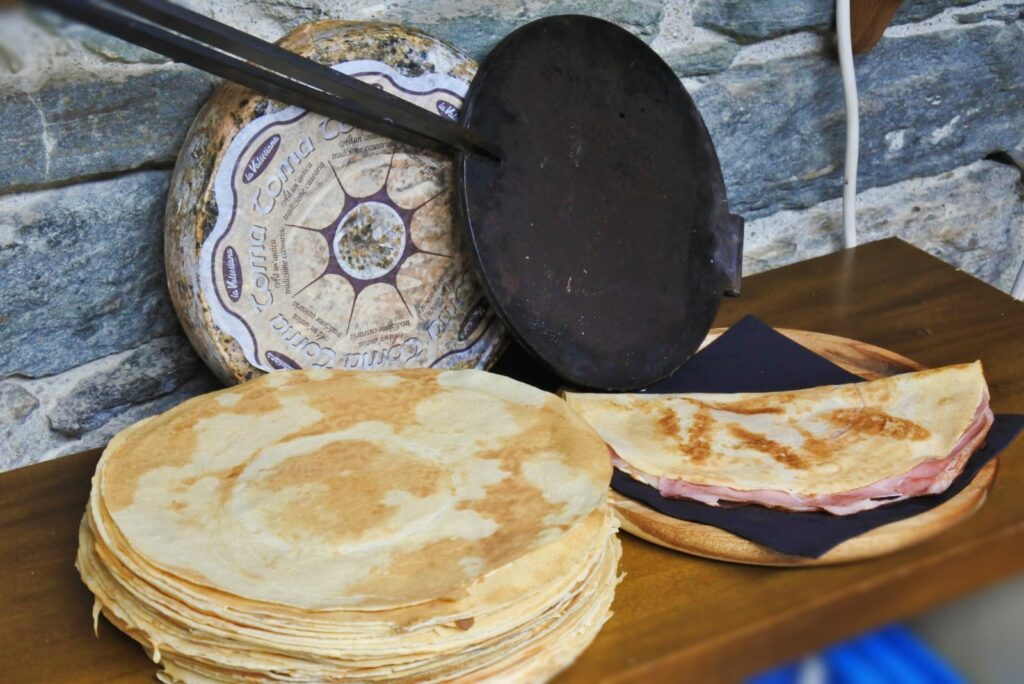
Millijentscha miacce, millet wafers? Possibly, probably referring perhaps to the fact that the main ingredient was millet
The first document that mention Miacce is dated back to 1488
These are thin wafers.
Every country, every family has its own recipe but the base remains the same for everyone (flour, milk, salt). Few ingredients for a poor dish but one that has the strength to characterise the territory.
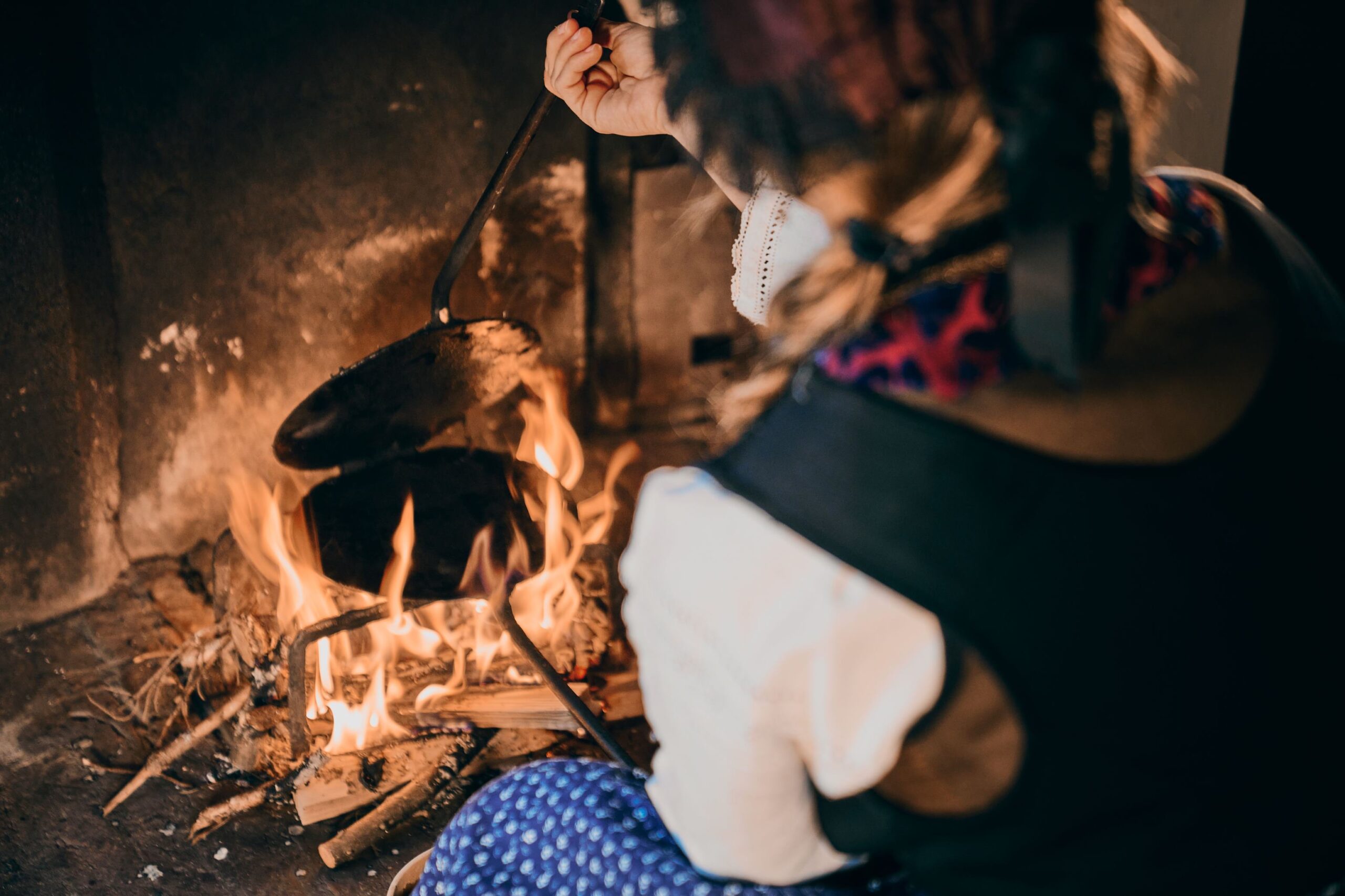
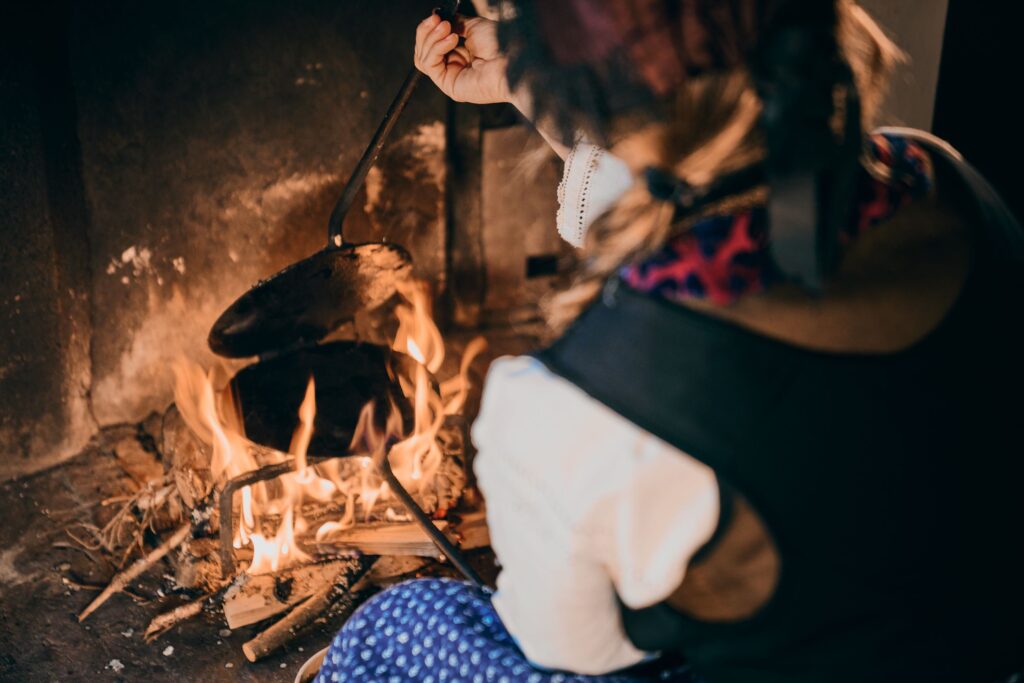
Made in the evening around the fire, they are an alternative to bread and an integral part of an important moment of aggregation. So customary as to become almost synonymous with getting together for a chat around the fire!
Preparation
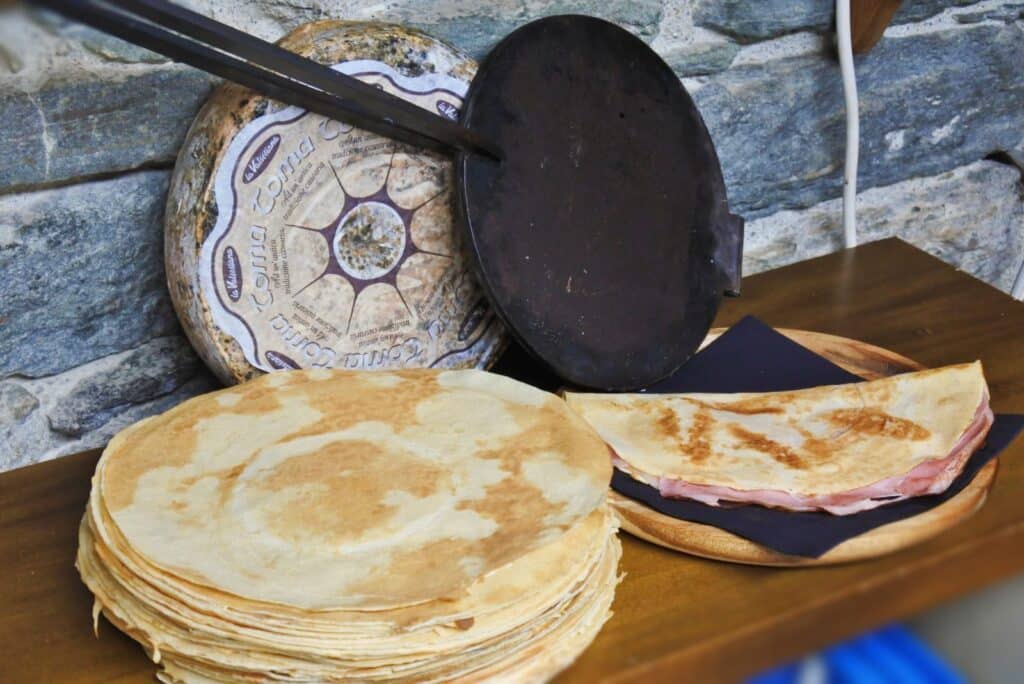
Mix cream (not all schools of thought agree on this ingredient) flour and milk until the mixture is quite thick but still liquid. Pour a ladleful of the mixture onto one of the two hot plates of the miaccio irons (special irons previously heated and greased with lard are required), hold the iron over the fire. (The iron used today is composed of two discs hinged together and joined by a long handle useful for turning them over the fire without burning).
Cook the miacce on both sides and serve stuffed with salami, toma cheese, melted butter or jam.
In conclusion, typical mountain dishes offer not only a delicious gastronomic experience, but are also a window into the traditions and community life that inhabit these unique environments. Each bite tells a story of resilience, adaptation and celebration of local resources.
So, the next time you find yourself among the peaks, savour the culinary richness that only the mountains can offer
Exploring Snowy Beauty: Snowshoeing in Majestic Monterosa-Alagna Valsesia
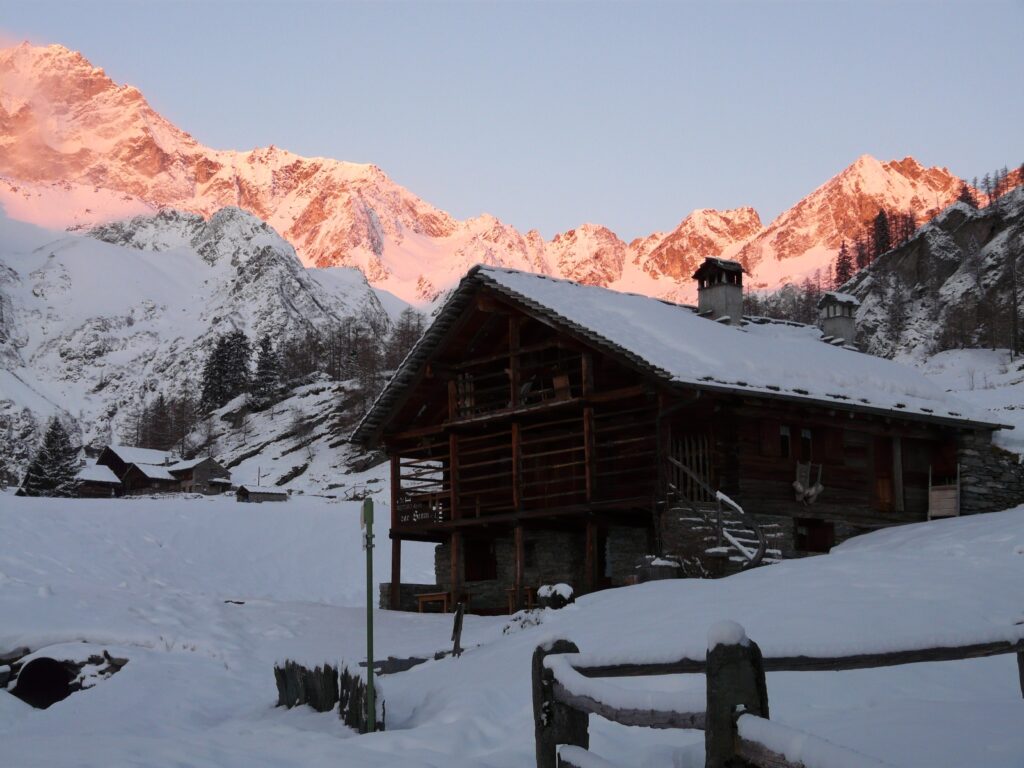
Winter brings a unique spectacle to nature, transforming ordinary landscapes into fairytale settings. In mountain regions, such as the magnificent Alagna Valsesia, snow becomes the canvas on which nature paints its magic. An enthralling way to immerse oneself in this winter wonderland is through unforgettable snowshoe walks.
Peaceful Walks: A Relaxing Way to Explore
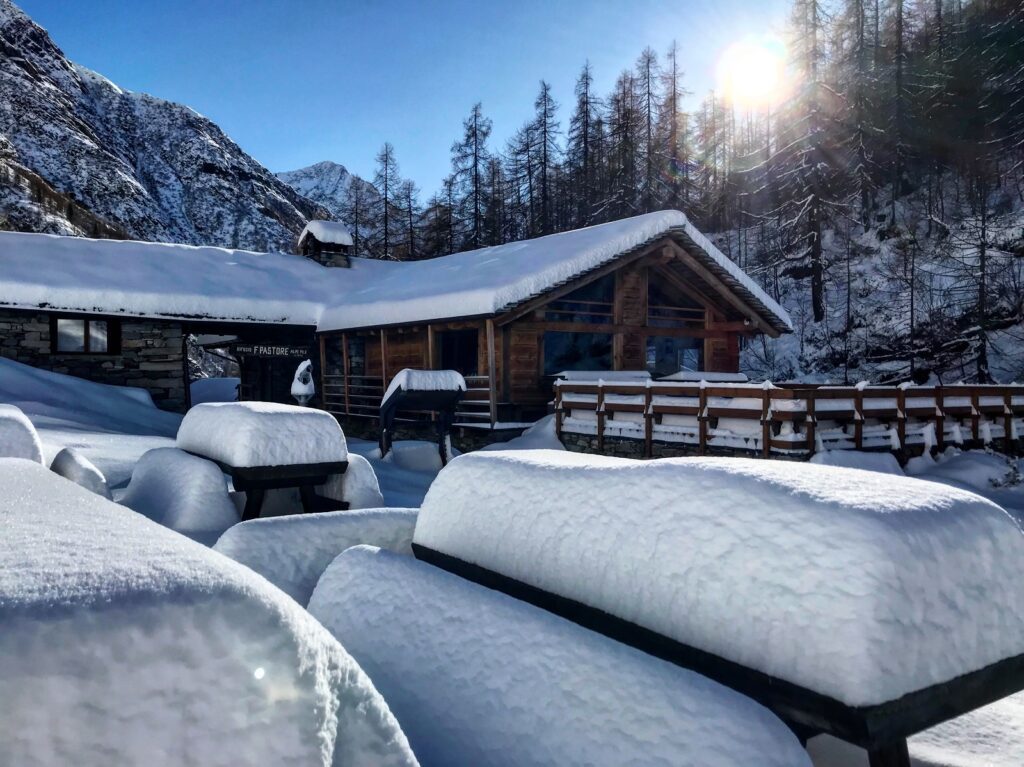
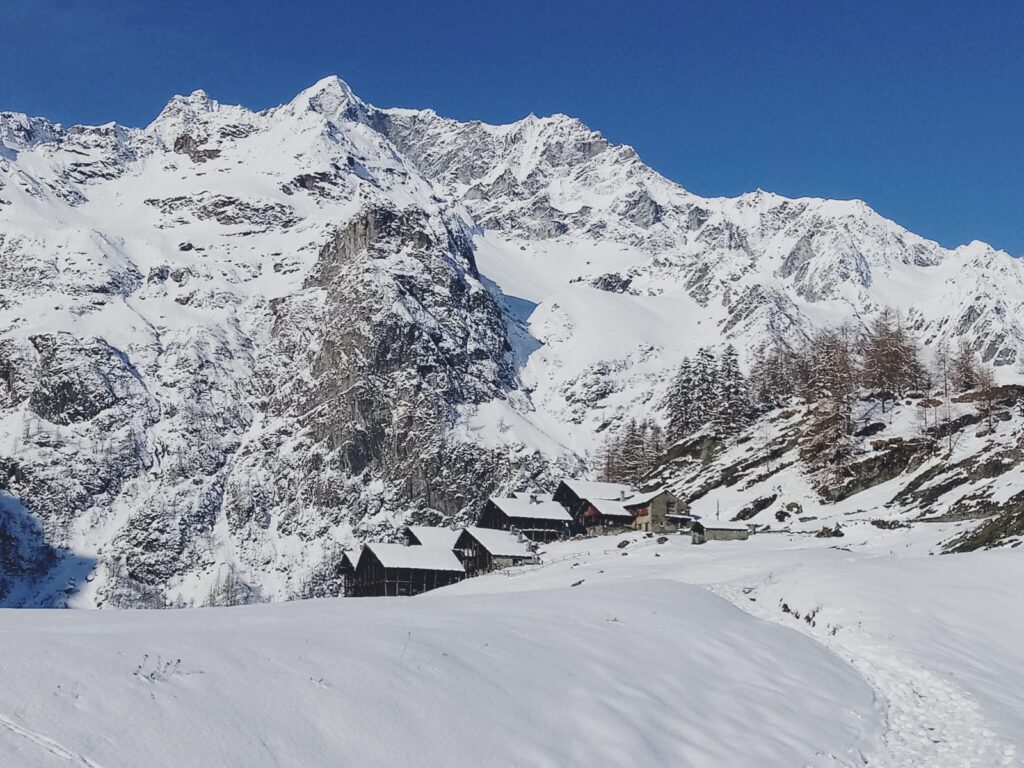
Snowshoe walks offer a unique and relaxing way to explore Alagna Valsesia. This activity, suitable for all levels of fitness, allows you to get close to unspoilt nature without disturbing its tranquillity. Wearing snowshoes provides safe traction on the snow, allowing visitors to traverse snow-covered paths with ease.
The region offers a variety of trails suitable for all skill levels. From wooded trails leading to breathtaking panoramic views to peaceful walks along frozen rivers, there is something for everyone. Visitors can explore the impressive snowy landscape, admiring the majesty of Monterosa from unique angles.
Recommended itineraries:
Towards the enchanting Vogna Valley
It is important to take care to ensure safety when hiking. Here are some tips for safe snowshoeing:
"Freeriding in Alagna Valsesia Monterosa"
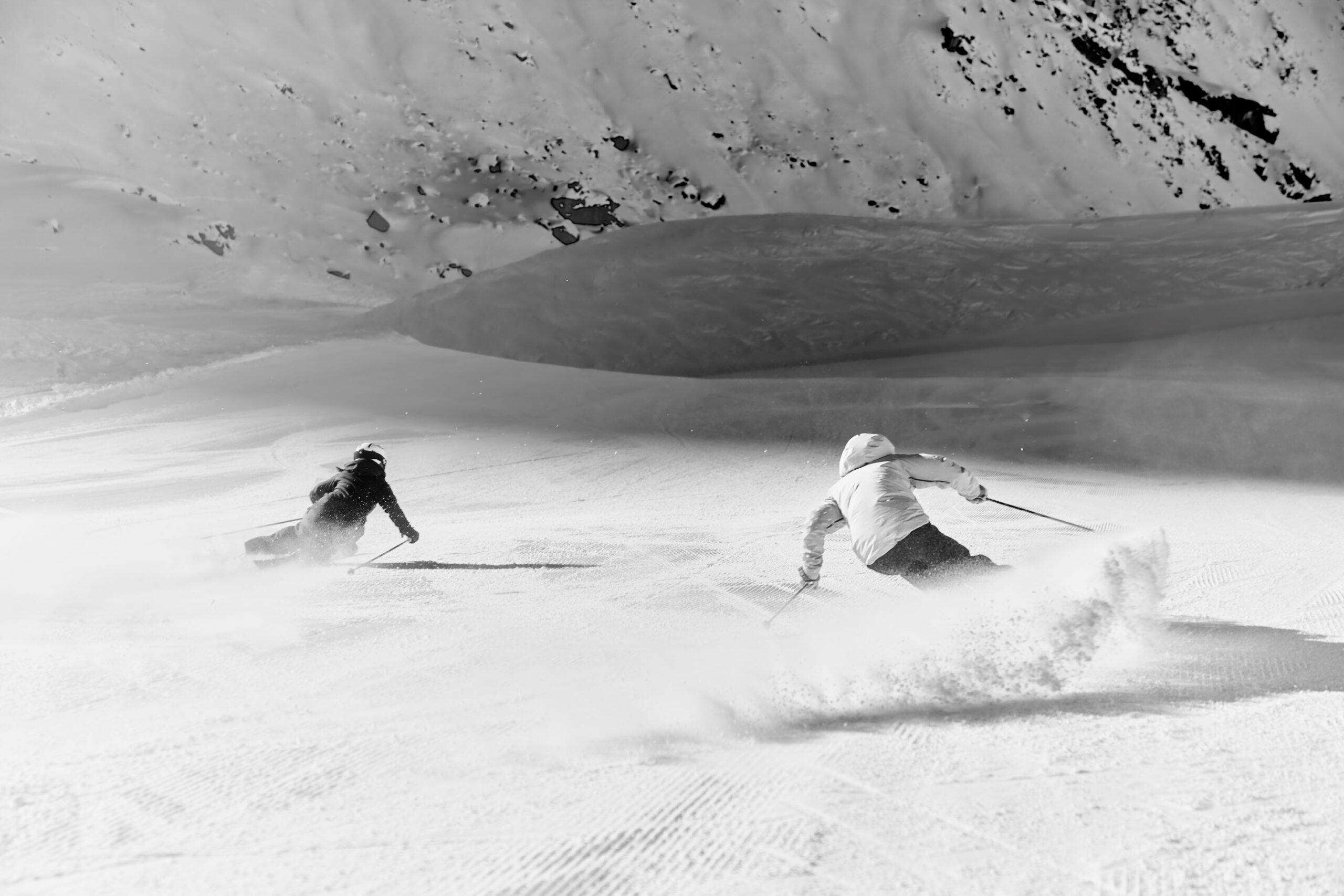
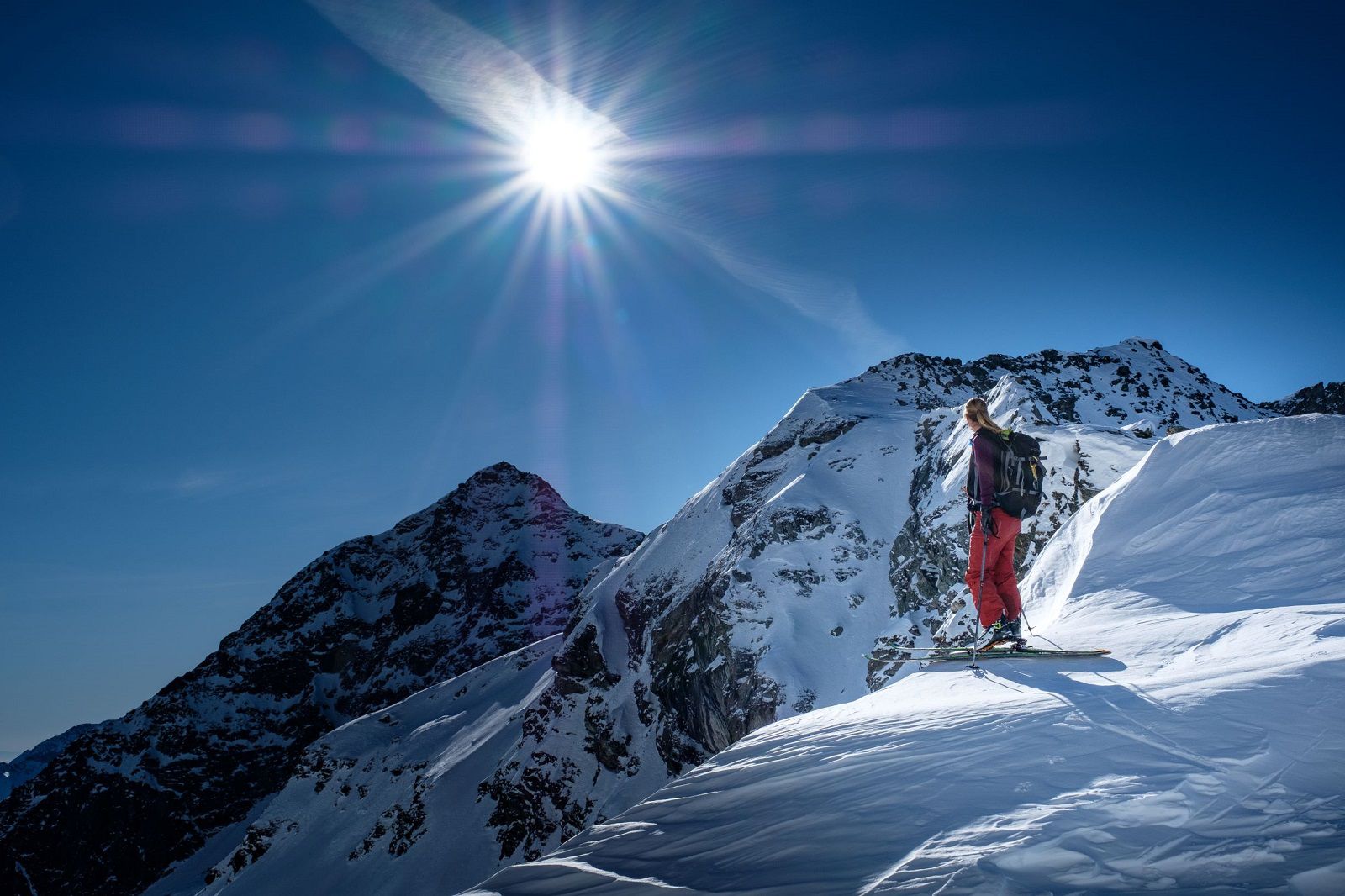
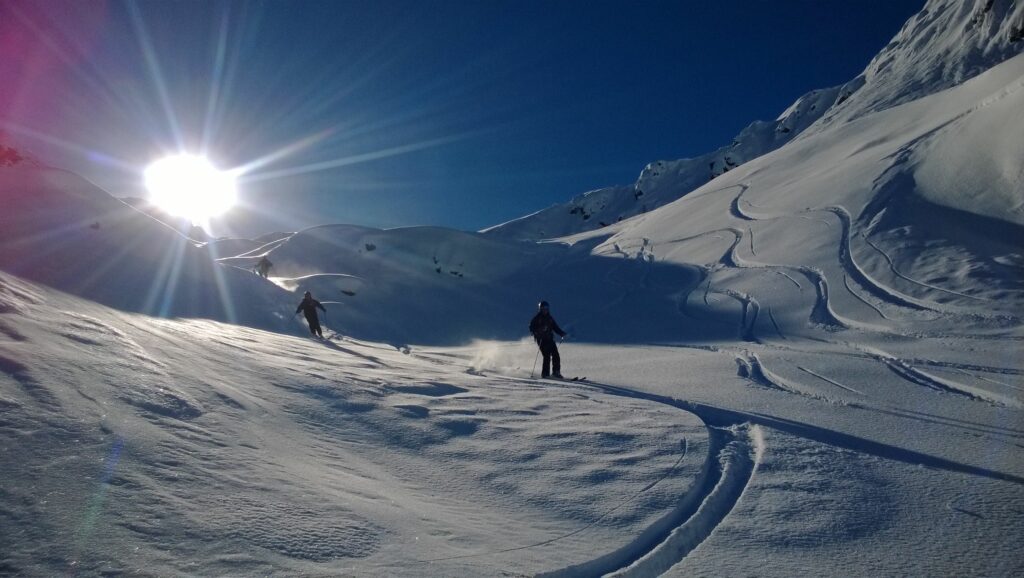
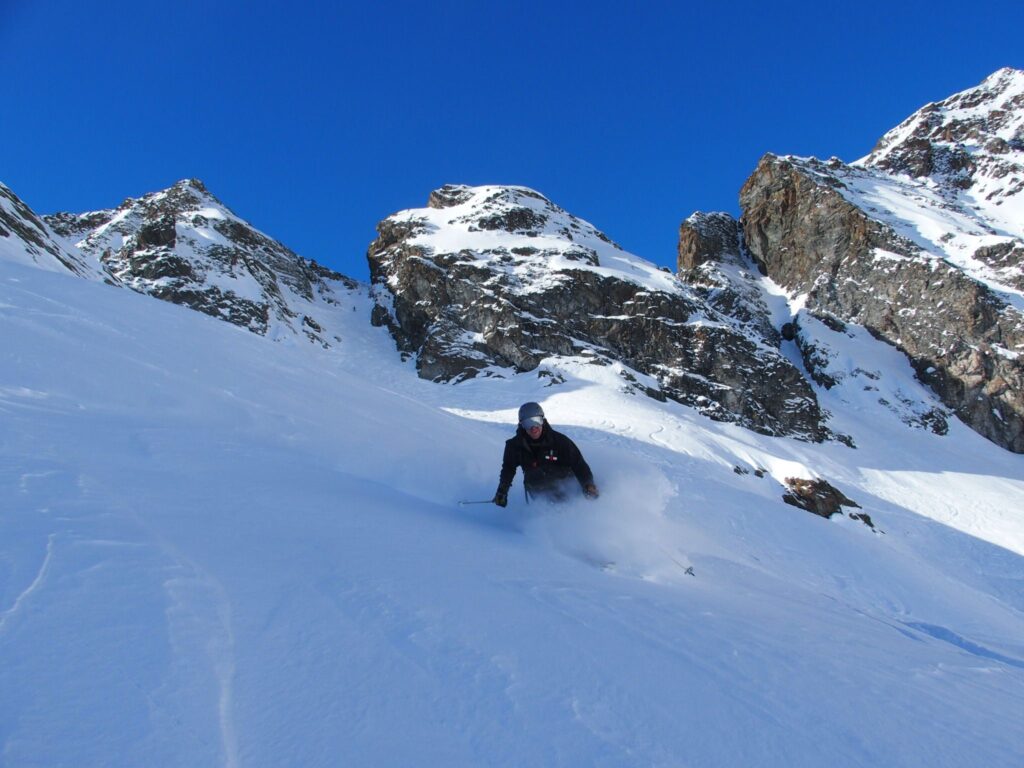
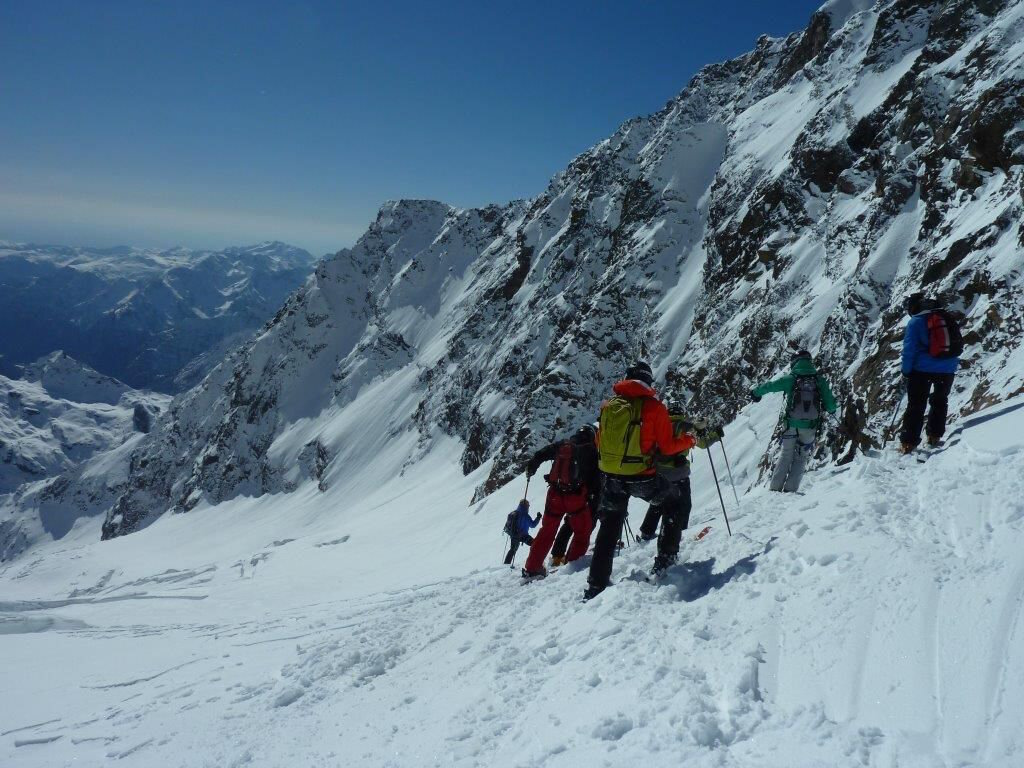
Fresh snow sparkling in the sunlight and the feeling of freedom that only outdoor sports can provide. If you're an adrenaline enthusiast, freeriding in Alagna Valsesia Monterosa is an experience not to be missed. This unique destination, nestled among majestic peaks and breathtaking landscapes, offers the perfect environment for extreme sports lovers. Alagna is the location that, more than any other in the Monte Rosa area, has earned a reputation as a place of worship for off-piste skiing. Get thrilled in the silence of Monte Rosa, learning to appreciate the intimate and precious nature of the high mountains!
Come and explore the Freeride Paradise
Alagna Valsesia, located in the heart of the Italian Alps, is a haven for winter sports enthusiasts. Its privileged position near the massive Monte Rosa makes it an ideal starting point for those seeking the pure thrill of freeriding. Enthusiasts can access a paradise of untouched snow and thrilling slopes, in an environment that offers unique challenges and rewards.
The Allure of Unspoiled Nature
One of the most fascinating aspects of freeriding in Alagna Valsesia is the total immersion in unspoiled nature. Breathtaking panoramas and the silence of snow-covered peaks create a magical atmosphere. The sensation of being in harmony with the surrounding environment during a vertiginous descent is an experience that goes well beyond the mere practice of a sport.
Have fun in safety
Before embarking on the freeriding adventure, it's essential to consider safety. Equip yourself with the right gear (COLD-WEATHER APPROPRIATE CLOTHING, AVALANCHE BEACON, SHOVEL, PROBE, HELMET) and rely on experienced guides who know the terrain. Awareness of weather conditions and risk assessment are crucial to ensure an exhilarating and safe experience.
If you're seeking an experience that combines adrenaline with the splendor of nature, Alagna Valsesia is the place for you. A perfect mix of excitement, challenge, and beauty, this corner of the Italian Alps is ready to offer you an unforgettable adventure. Get ready to ride the peaks, feel the snow under your skis, and experience the magic of outdoor sports in one of the most captivating places in the world.
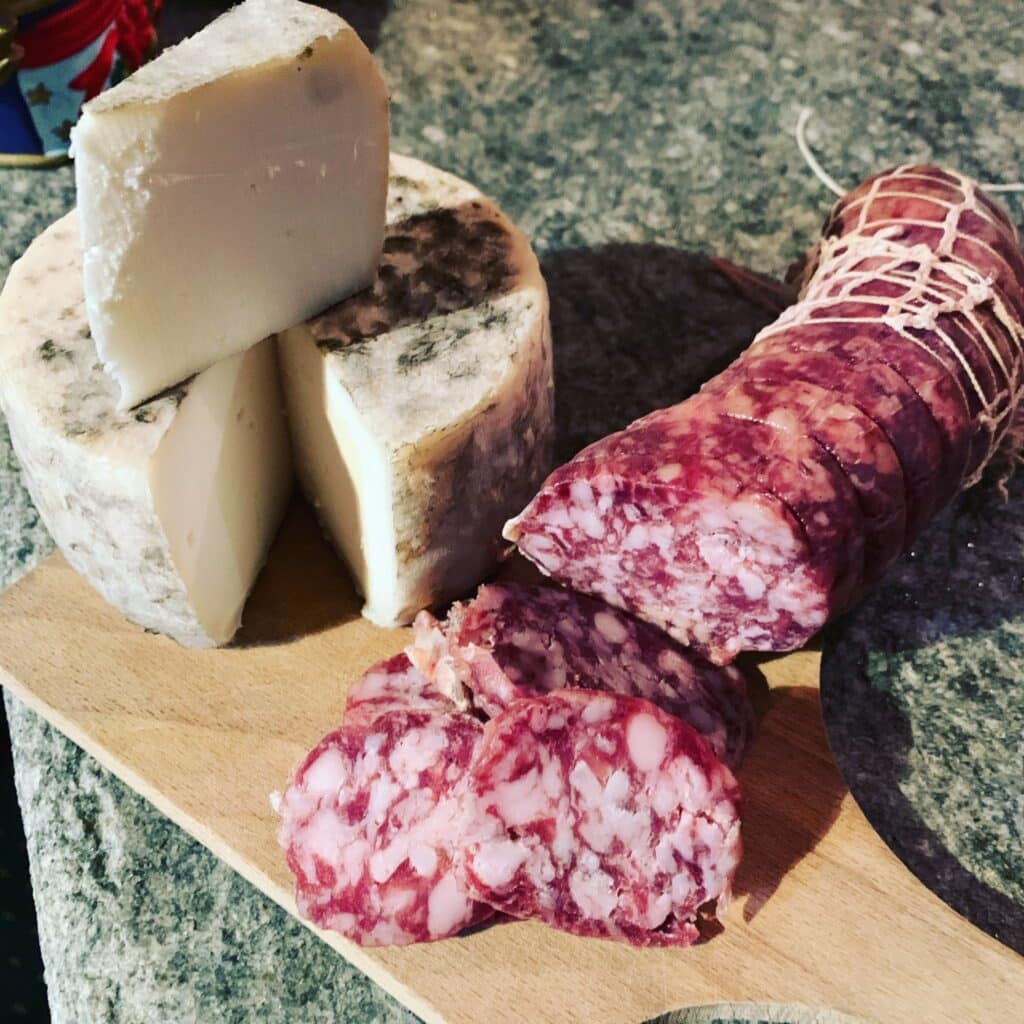
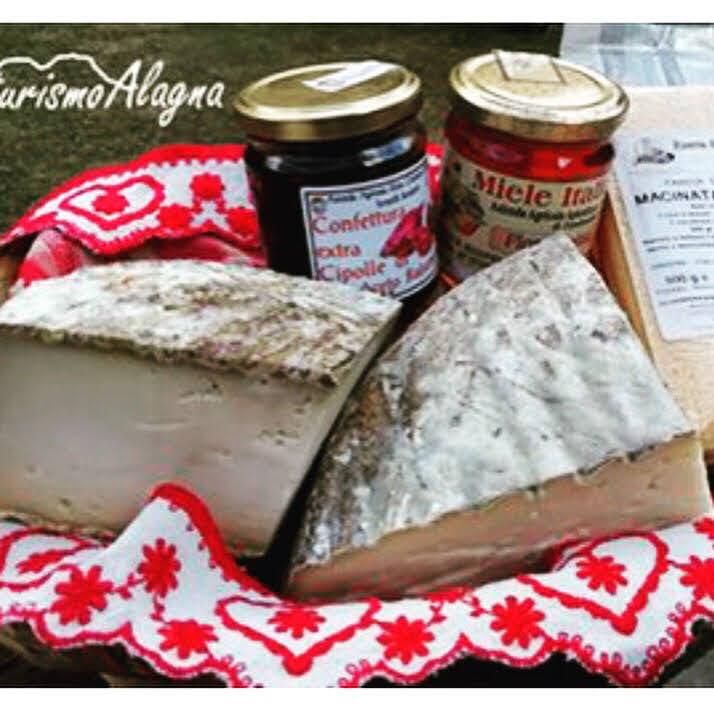
Valsesia, an enchanting region situated in the imposing Italian Alps, is famous not only for its breathtaking views but also for its rich culinary tradition rooted in the local culture. One of the area's most prized gastronomic treasures is Toma Valsesiana, a cheese with a unique, enveloping flavour.
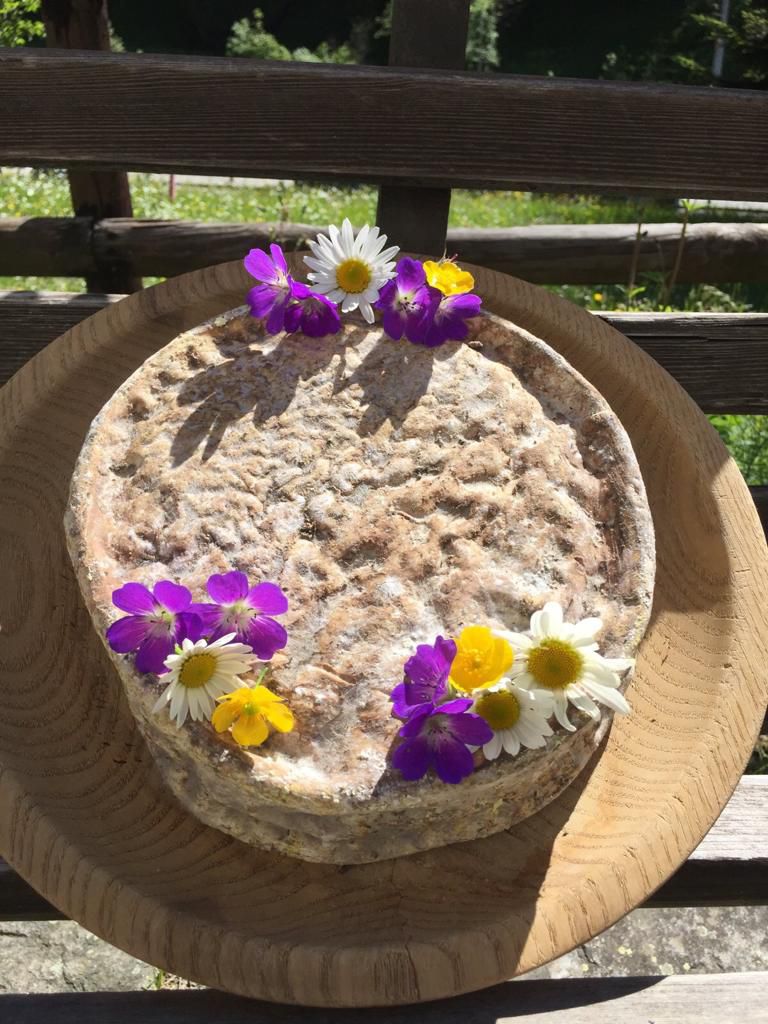
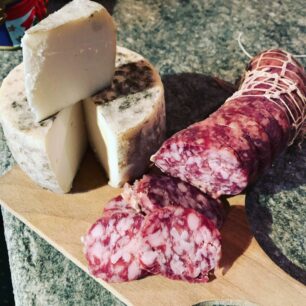
Toma Valsesiana is a hard cheese made from cow's, goat's or sheep's milk. Its artisanal processing and careful selection of ingredients help give it a distinctive flavour that reflects the mountainous territory from which it comes. Often matured for several months, this cheese develops a complexity of aromas that conquers the palates of connoisseurs.
Alongside Toma Valsesiana, there are other typical products that contribute to the region's unique gastronomic heritage. Miacce, for example, are a type of fresh pasta made from durum wheat flour, water and salt, processed by hand and usually served with meat or cheese sauce.
Among the cured meats that delight gourmets is salami, a product that testifies to the mastery of local charcutiers. Prepared with high-quality pork and beef and flavoured with selected spices, Valsesia salami is a true culinary masterpiece.
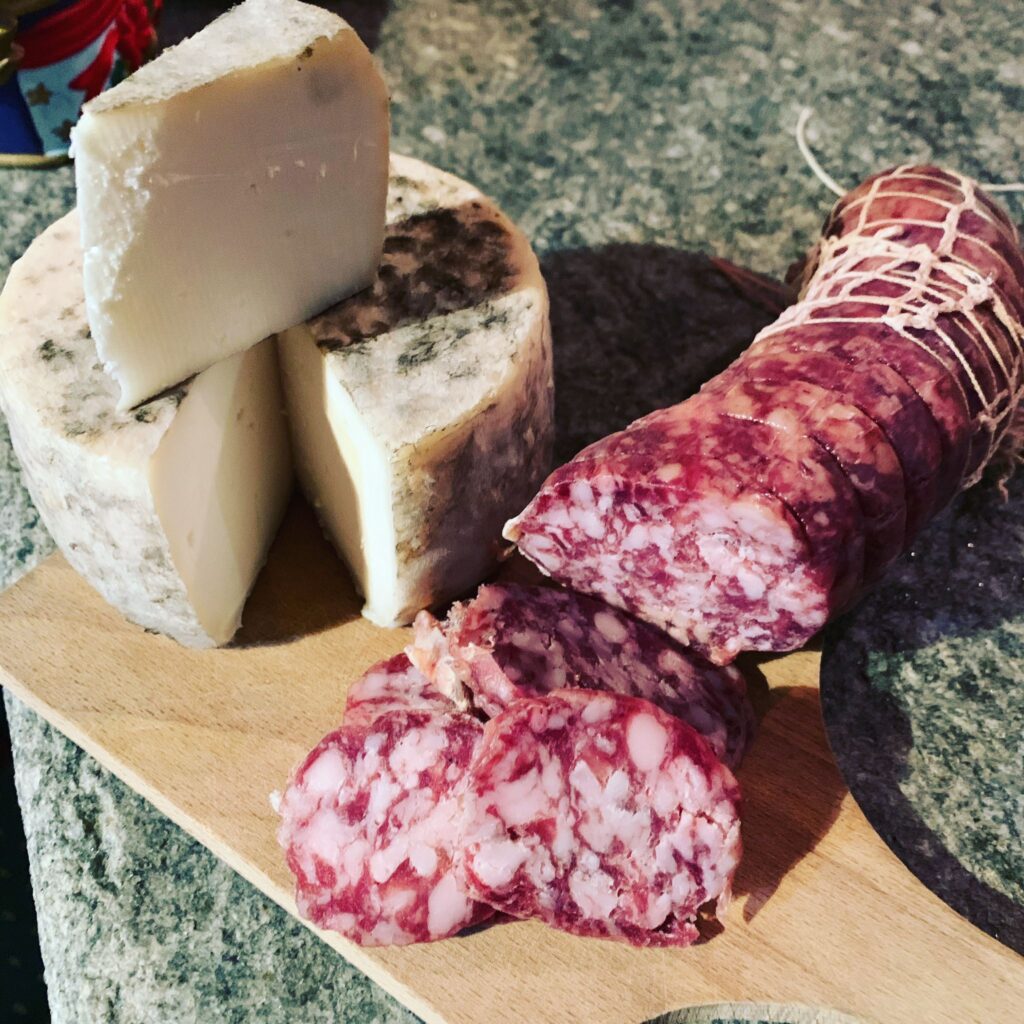
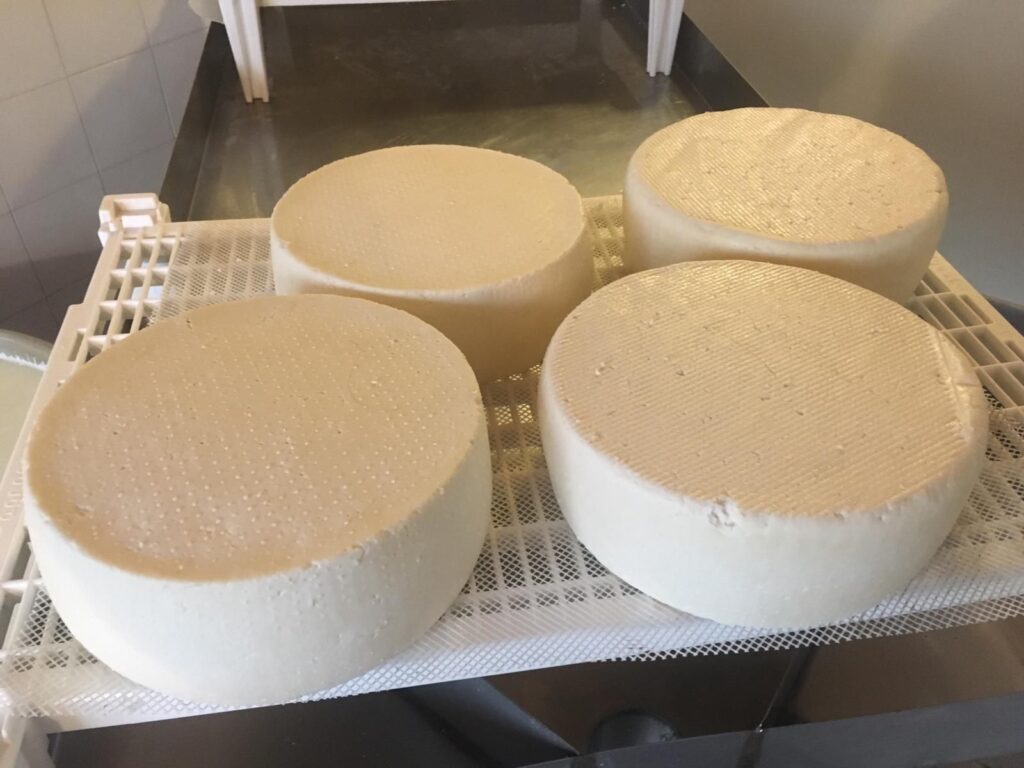
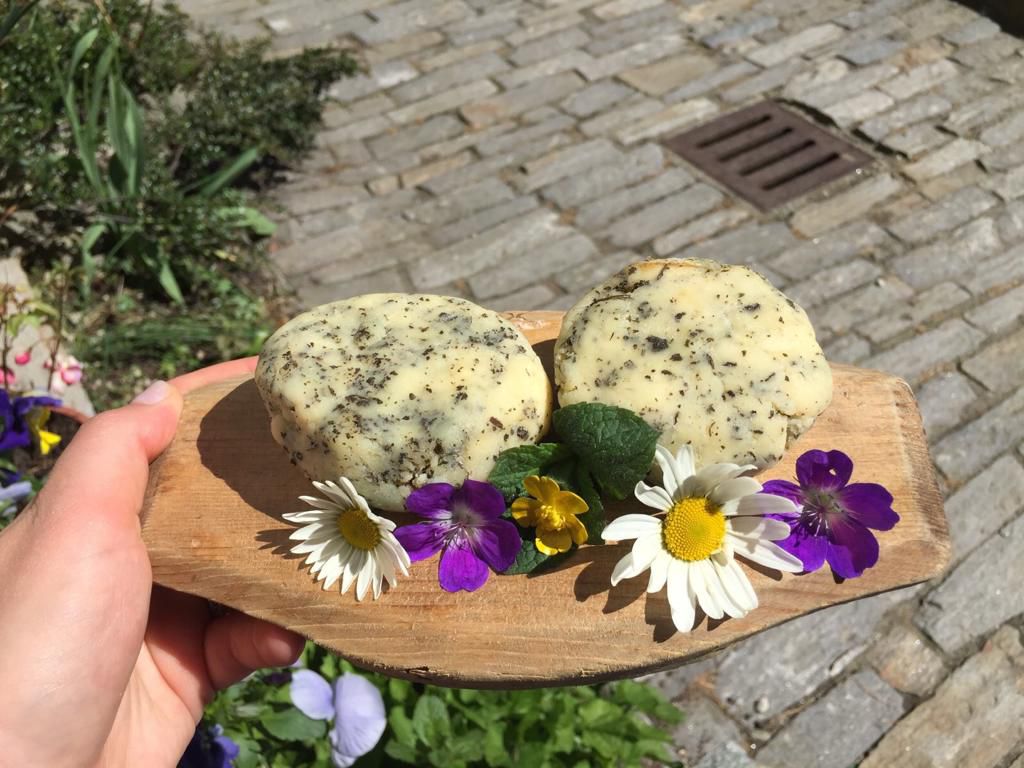
Goat cheese, another local delicacy, adds a distinctive touch to the table. Made from fresh milk from local farms, this cheese is characterised by its creamy texture and rich, enveloping flavour.
To complete this feast for the senses, there is shepherd's butter, a product that embodies authenticity and tradition. Obtained by processing fresh milk from grazing flocks, shepherd's butter is distinguished by its creaminess and the intense flavour it imparts to simple but irresistible dishes.
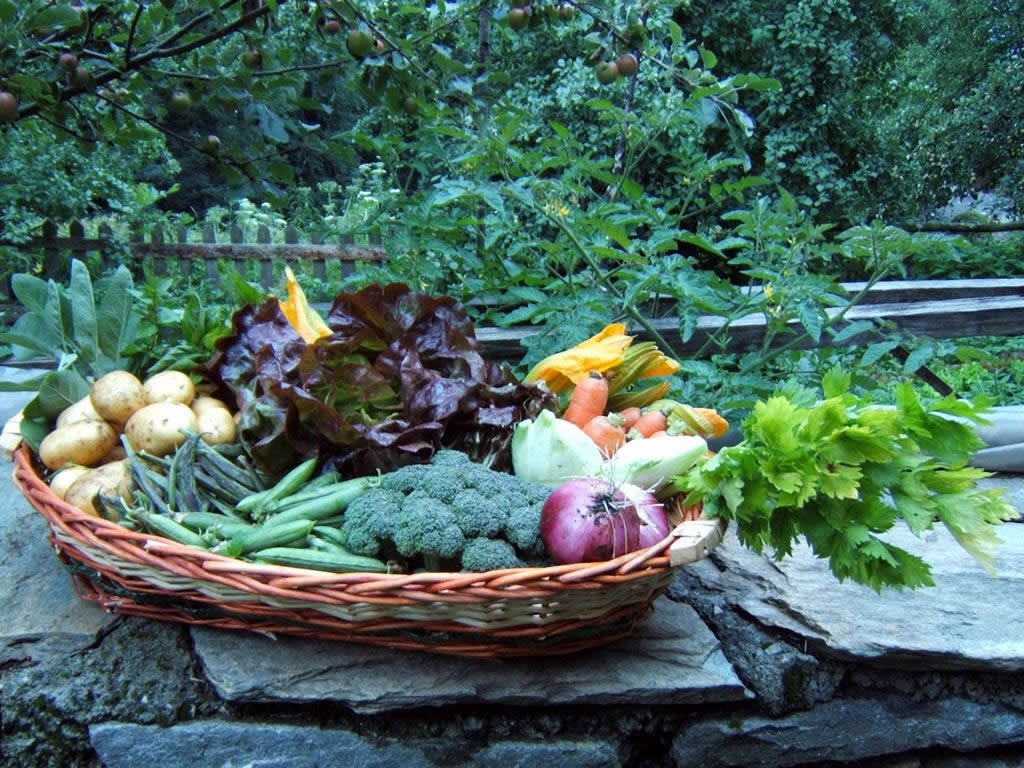
Zero Kilometre Garden Produce: Freshness Guaranteed
Local vegetable gardens provide a wide range of fresh and wholesome produce, grown with love and respect for the earth. From vegetables to herbs, these zero-kilometre garden treasures feature in many local dishes. They will not only delight your palate, but also offer you the opportunity to support local agriculture.
In conclusion, Toma Valsesiana and its gastronomic companions offer a sensory journey through the history and culture of a region that has made its cuisine a true heritage to be preserved and enhanced. Each bite is an experience that brings us closer to the roots of tradition, allowing us to savour the authenticity of an area rich in unique flavours.
Rifugi Aperti per un'Avventura Invernale Indimenticabile
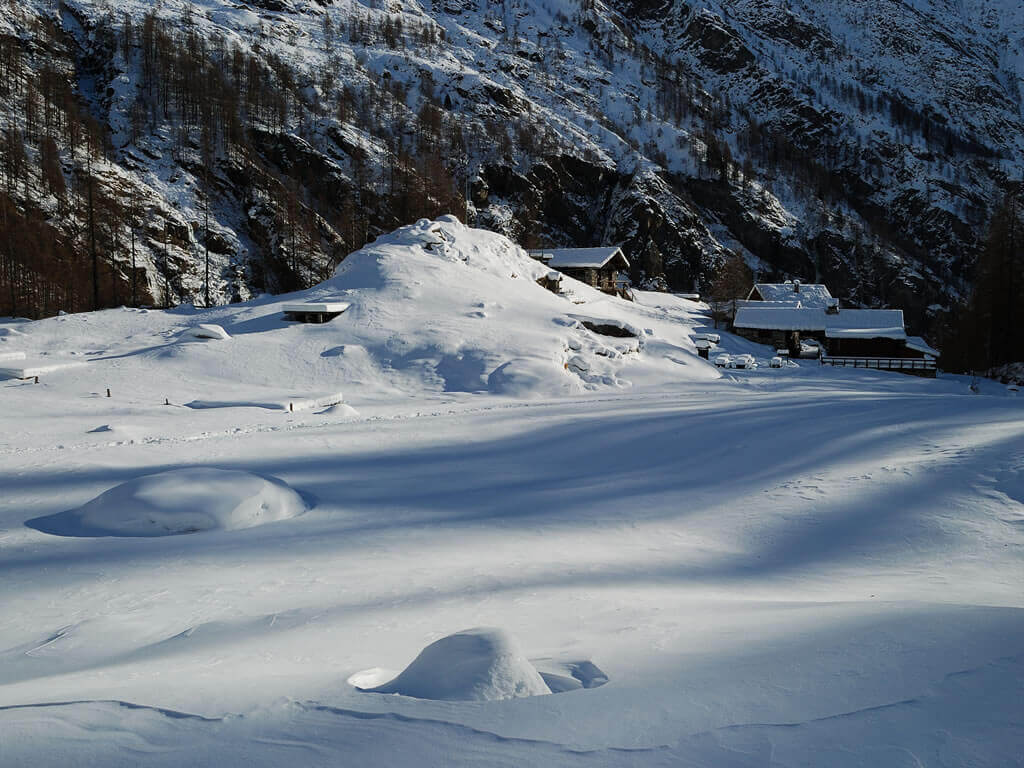
L'inverno ad Alagna Valsesia offre uno scenario magico e incontaminato, con le sue imponenti cime, boschi innevati e sentieri silenziosi. Per gli amanti della natura e dell'avventura, i rifugi accoglienti aperti in inverno offrono un luogo caloroso e ristoratore.
Rifugi Aperti in Inverno: Oasi di Calore e Gusto
Durante le avventure in passeggiata, è fondamentale avere la certezza di trovare rifugi aperti che offrano cibo delizioso e un'accoglienza calorosa. Alagna Valsesia vanta una selezione di rifugi che rimangono aperti anche nella stagione invernale, pronti a soddisfare le esigenze dei visitatori affamati e desiderosi di ristoro.
Uno di questi rifugi è il Rifugio Pastore, situato lungo il percorso verso il Monte Rosa. Con il suo menu ricco di piatti tradizionali della zona e l'atmosfera accogliente, il rifugio rappresenta una tappa imperdibile per chiunque desideri assaporare la cucina locale e godere di una sosta rigenerante.
Il piccolo punto di ristoro incastonato nella magica Valle d’Otro, Zar Senni in lingua walser “alla latteria” ,offre una calda ospitalità presentando una varietà di prodotti locali, ricavati dall’allevamento delle numerose mandrie, che durante l’estate pascolano i fertili prati dei diversi villaggi.
Ivana e la sua famiglia, alagnesi “doc”, accolgono i turisti e gli escursionisti con una cucina genuina a base di ghiotte polente accompagnate da salami e formaggi tutti naturalmente DECO.
Tutto questo ripaga ampiamente la fatica del cammino per raggiungere il Rifugio! Ci si arriva solo a piedi da Alagna percorrendo una bella mulattiera in salita!
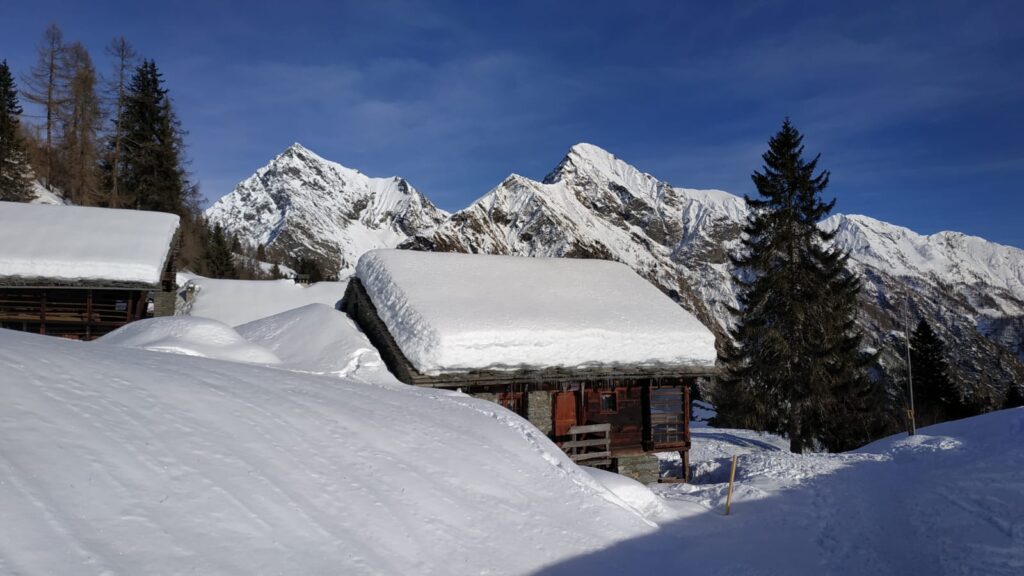
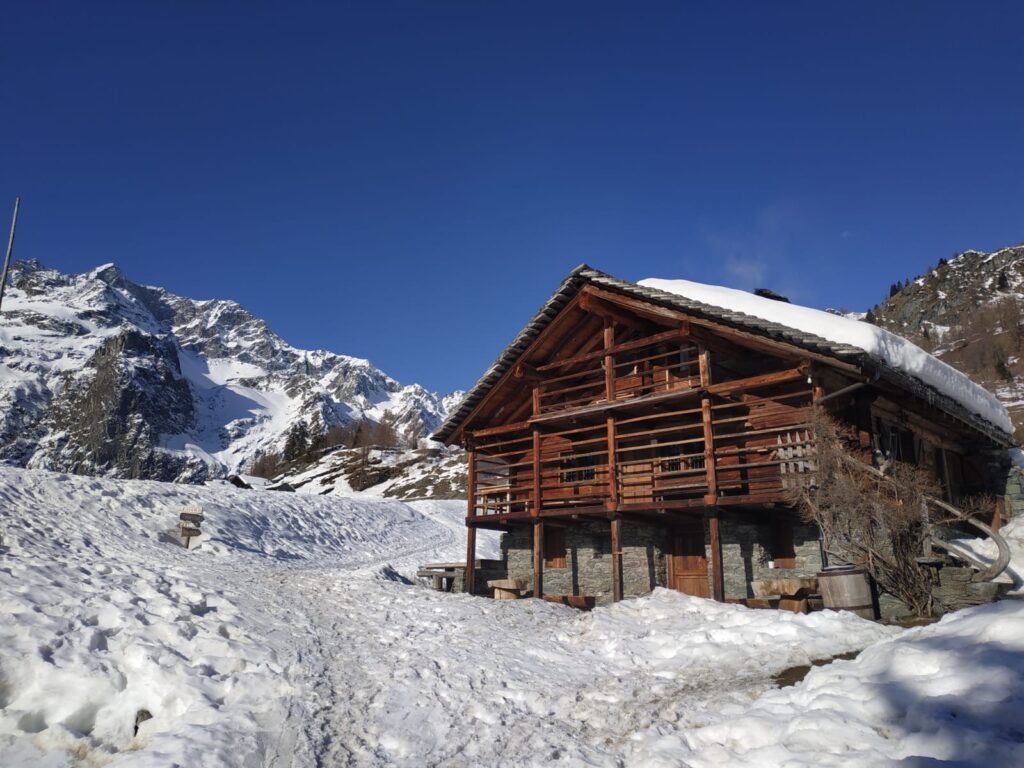
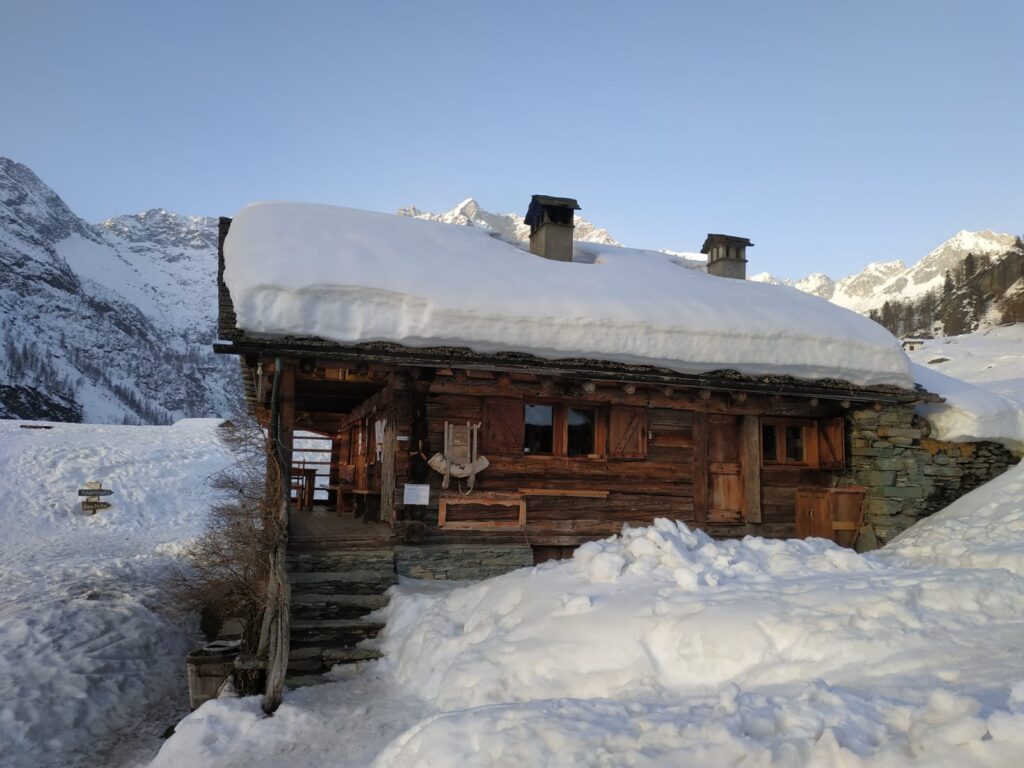
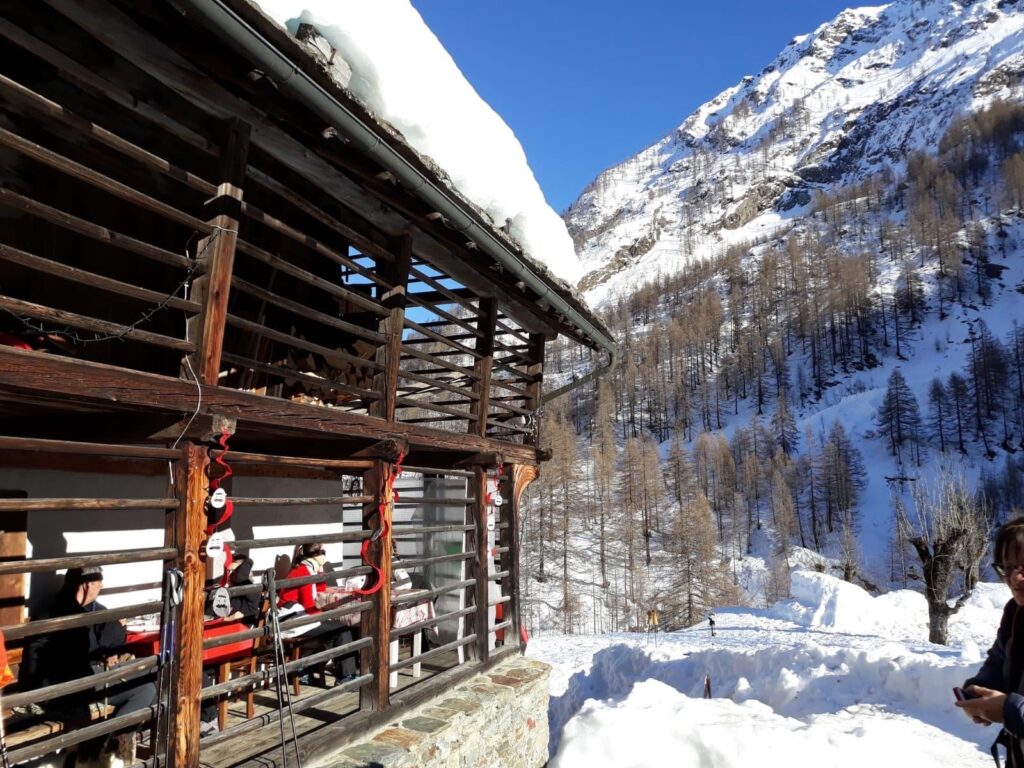
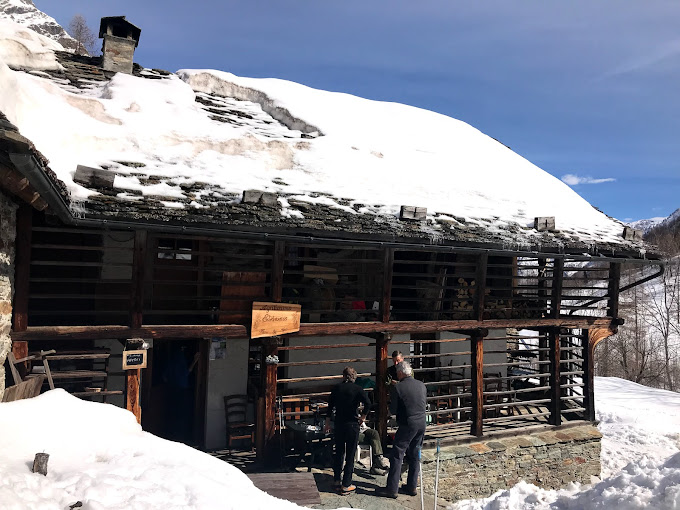
L'agriturismo EDELWEISS in frazione Peccia, due piccole stanze in una baita nel centro del piccolo borgo.
Flavia e la sua famiglia gestiscono in alcuni periodi dell'anno questa piccola trattoria dove troverete ottima cucina tipica servita all'interno e, con la bella stagione, anche all'esterno.
I posti sono pochi...telefonate per accertarvi dell'apertura e della disponibilità dei posti.
Vi consigliamo tutto...ma in particolare il cervo in umido con la polenta e le more alla grappa.
