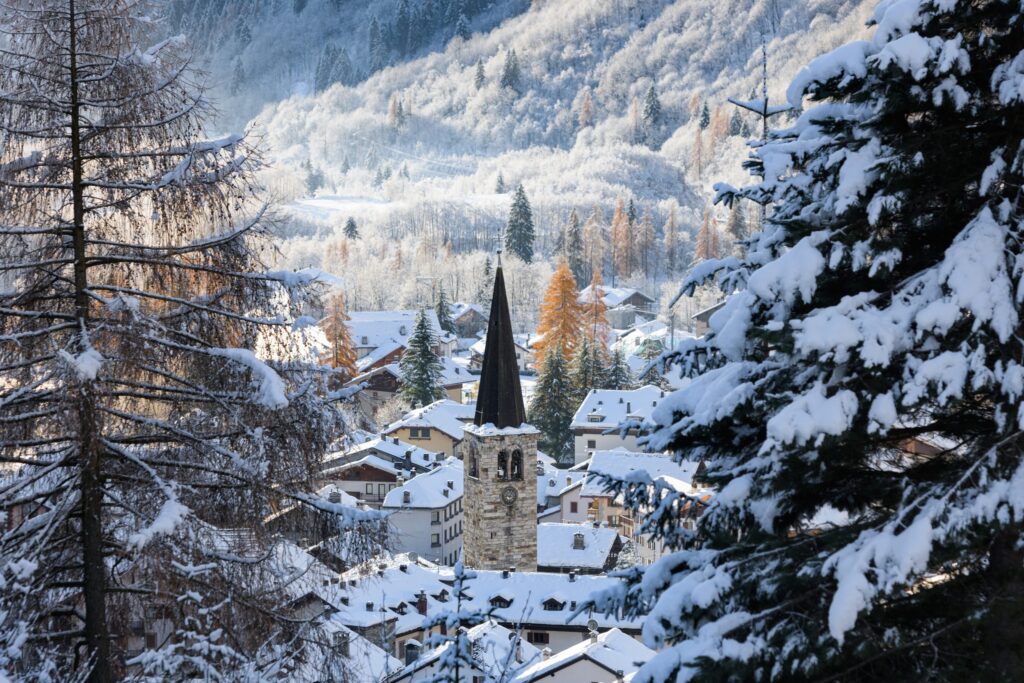
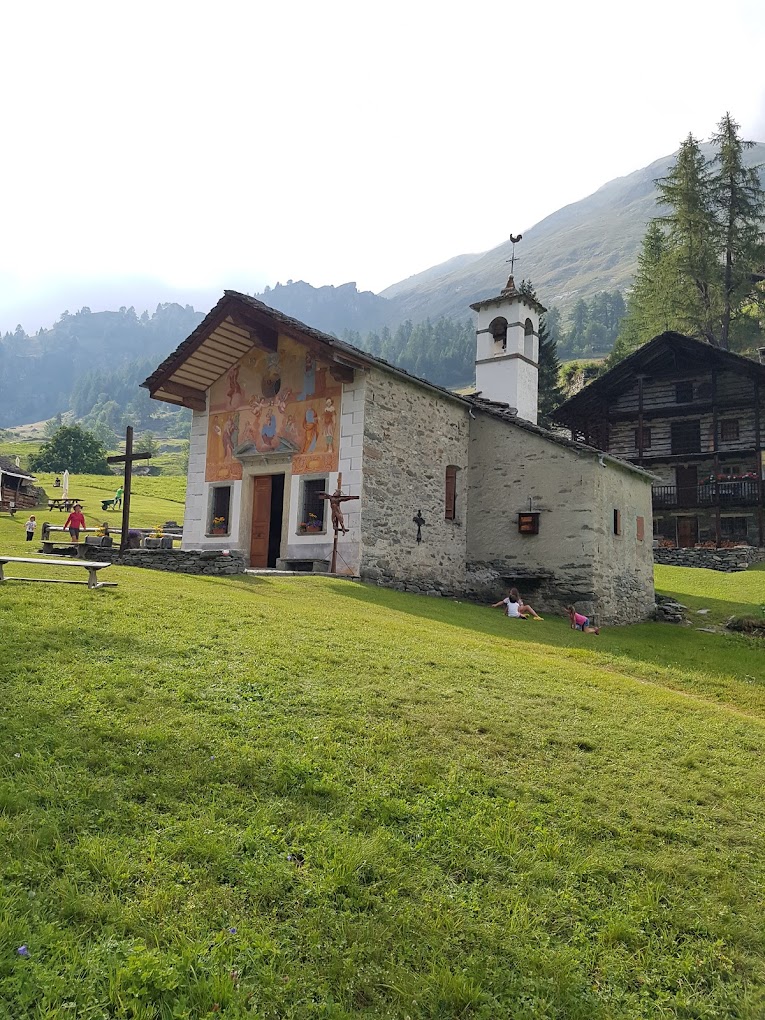
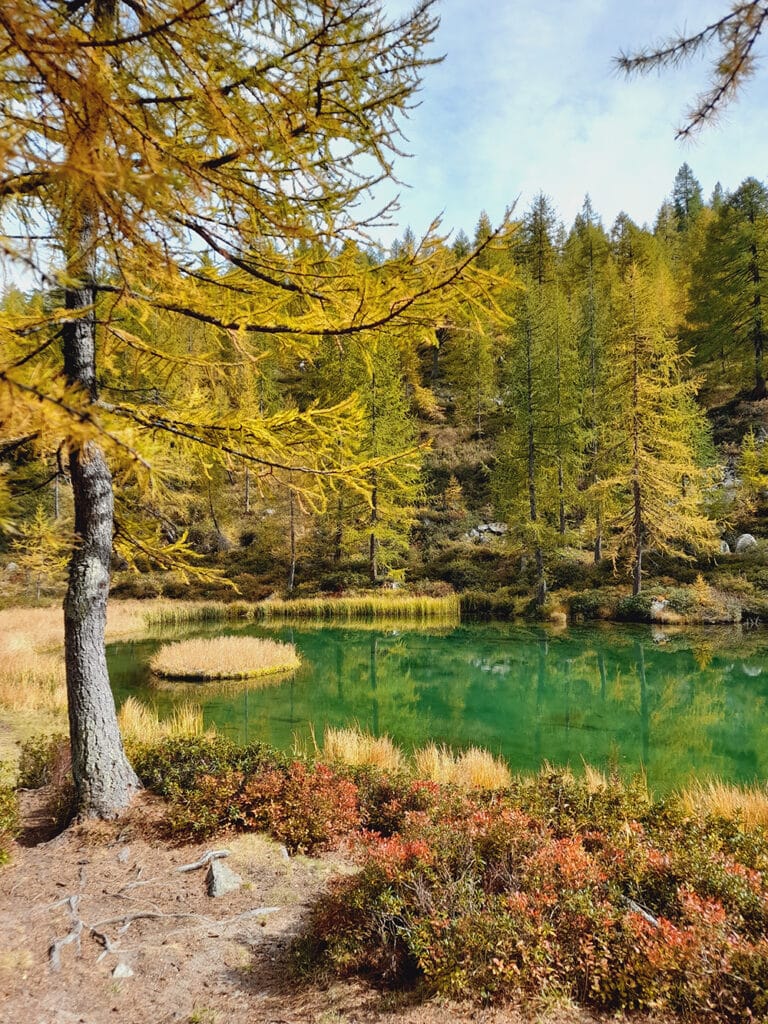
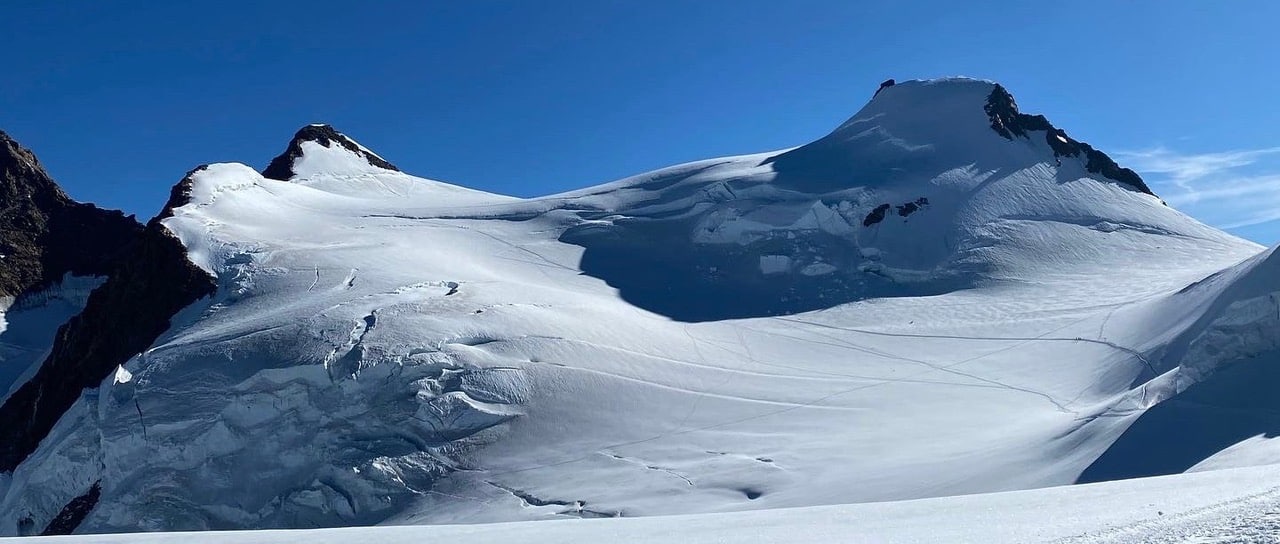
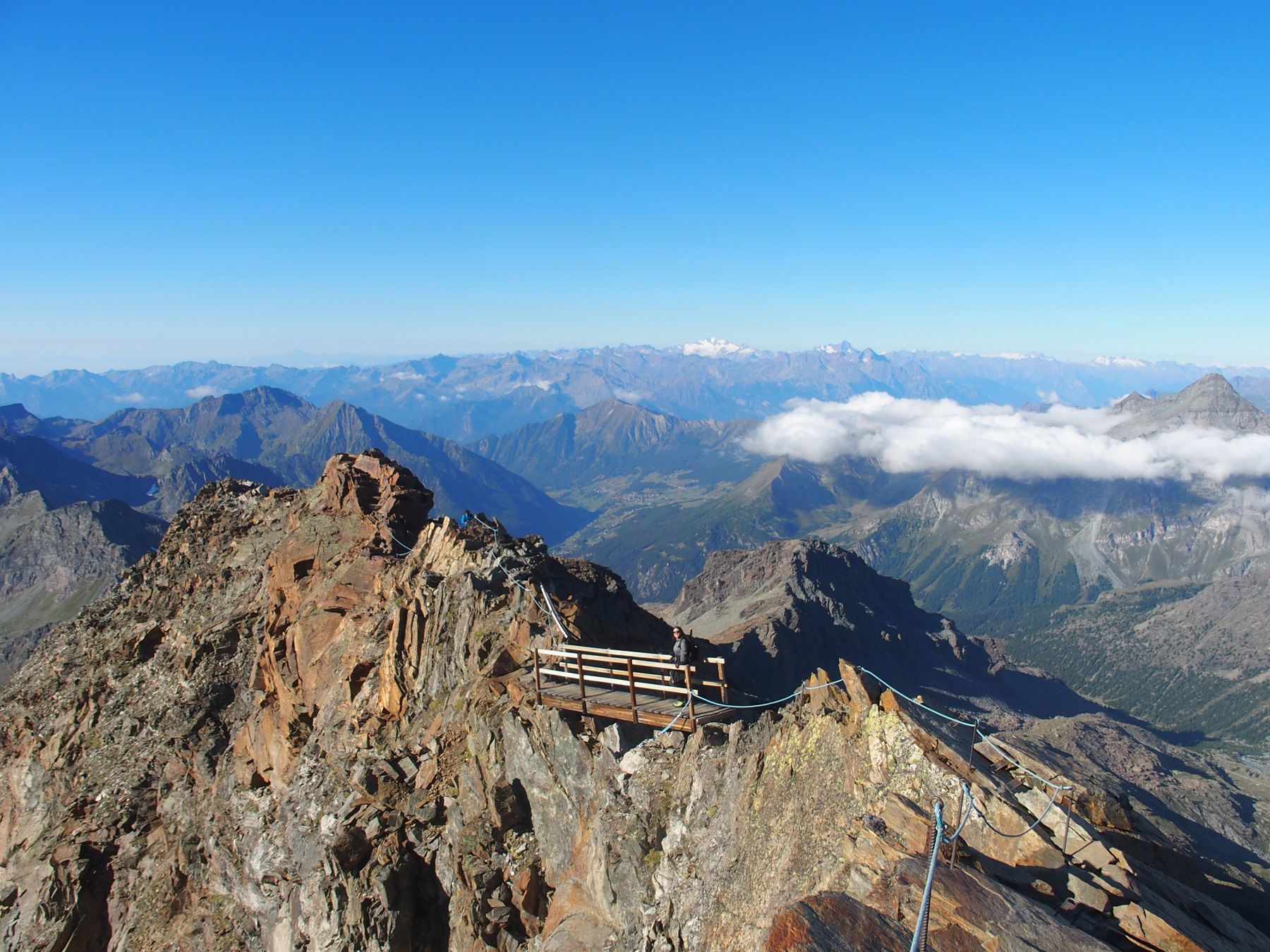
Getting to Alagna in winter is not impossible, but it does require some planning. Whether you’re coming for a ski day, a long weekend, or a high-altitude mountaineering experience, organizing your trip in advance makes a big difference. Alagna is not a big city connected by high-speed trains or highways with endless parking: it’s an authentic alpine village, with limited space and mountain roads that in winter can be tricky.
This guide explains the different ways to get to Alagna, with pros and cons, costs to consider, and practical tips to avoid surprises.
1. Getting there by car: convenient, but watch out for parking and tyres
The car remains the preferred option for many travellers. It’s convenient, gives you flexible schedules, and allows you to carry ski or mountaineering gear with no hassle. But there are a few things to keep in mind.
Road and winter conditions
The road to Alagna, starting from Milan or Turin, is smooth until Varallo. From there the climb into Valsesia begins: a mountain road, not too difficult, but with curves, hairpins and, especially in winter, possible snow or ice. Winter tyres or snow chains are mandatory. It’s not optional: without them you risk a fine and, above all, you may not be able to reach your destination. Always remember to fill up with winter fuel.
Car pooling and rational use of cars
Parking in Alagna is limited. The village is small and between day visitors and overnight guests, spaces fill up quickly. Parking also costs around €8 per day. The best option is to car pool and travel together, rather than everyone driving separately. If your group arrives from different places, leave some cars along the way and continue together.
Where to park
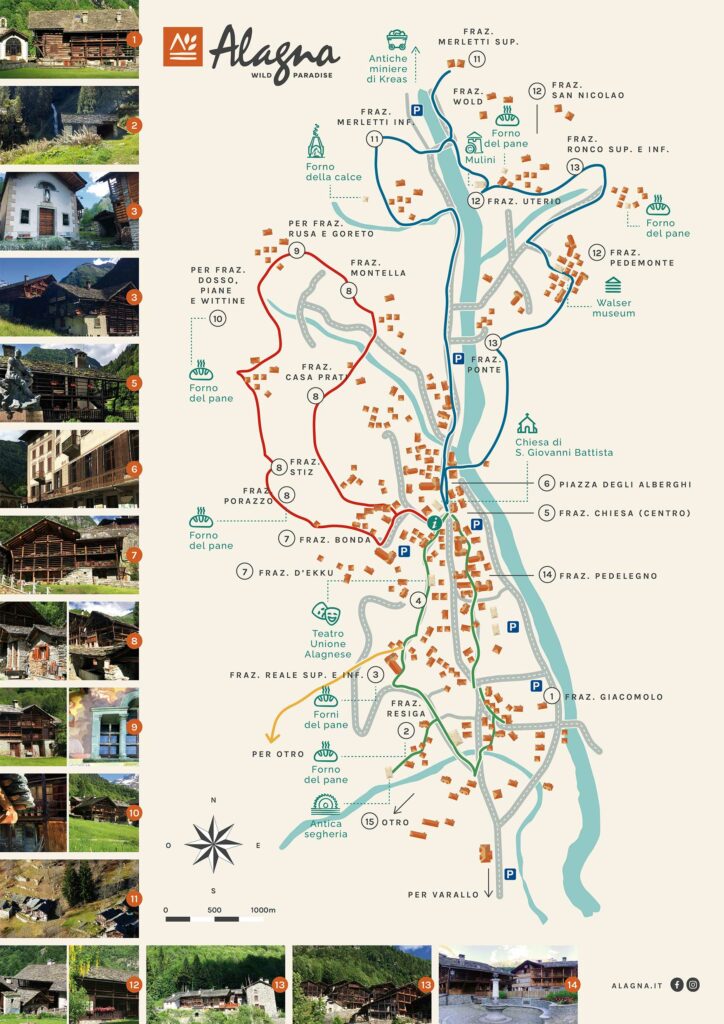
There are paid parking areas near the ski lifts and a few free spots further away, but limited. See the parking map here. During peak season (February weekends, Christmas, Easter) it’s best to arrive early in the morning to avoid wasting time.
2. Getting there by taxi: the most comfortable option
If you don’t want to drive, taking a taxi is the most practical option, especially if you arrive by plane or train. But you need to book smartly. Would you like to book online? Click here
Booking in advance is always better
Taking a taxi directly at the airport without a booking is the most expensive choice: the price can easily double. It’s better to book in advance with local drivers who know the road and are used to driving in snowy conditions. This makes a big difference: in case of snowfalls, a local driver is far more reliable than one randomly picked at the airport. Would you like to book online? Click here
Indicative costs
From Malpensa to Alagna: about 2 hours, a 6/8-seat minivan costs around €250.
From Varallo to Alagna: if you arrive by bus to Varallo Sesia and then take a taxi, calculate about €80 for a 6/8-seat minivan.
If you are 3–4 people, sharing a taxi is the smartest option: cheaper and without the stress of parking or snow chains.
3. Getting there by bus: economical, but limited schedules
Buses are a valid solution, especially if you are travelling alone or want to save money. In winter there are daily direct connections from Vercelli and Novara to Alagna, with no changes.
Available lines
Milan – Novara – Varallo – Alagna line: Baranzelli bus company. Tickets can be purchased directly on the bus. See timetable here.
Vercelli – Varallo – Alagna line: line 50, ATAP bus company. Tickets can be purchased in Alagna at the tobacconist’s, or in Varallo at the station bar. See timetable here.
Watch the schedules
If you arrive by plane, timing is crucial. Direct buses leave in the morning; if you land in the afternoon, you may not find one. Alternatives are:
taking a train to Varallo Sesia and then a taxi,
or reaching Borgosesia and checking if local buses are running.
The Varallo + taxi option is the most realistic: simple, direct, and hassle-free.
4. Comparing the options
Transport
Pros
Cons
Approx. cost
Car
Flexibility, convenient for luggage
Expensive and limited parking, requires winter equipment
€8/day parking
Taxi
Stress-free, local experienced drivers
Expensive if travelling alone, must book in advance
From Varallo: €80, from Malpensa: €250
Bus
Economical, direct from Novara and Vercelli
Limited schedules, long travel times
€20–25 one way
5. Practical tips for better planning
Travel light but well equipped.
Leave early: if travelling by car on weekends, arriving in the morning makes a big difference for parking.
If in a group, choose a taxi or car pooling: often cheaper than expected when considering parking and hidden costs.
Check the weather: if snow is forecast, a taxi with a local driver is the safest option.
Don’t leave taxi bookings to the last minute: you risk paying more or finding no availability.
6. Getting to Alagna in winter: a matter of planning
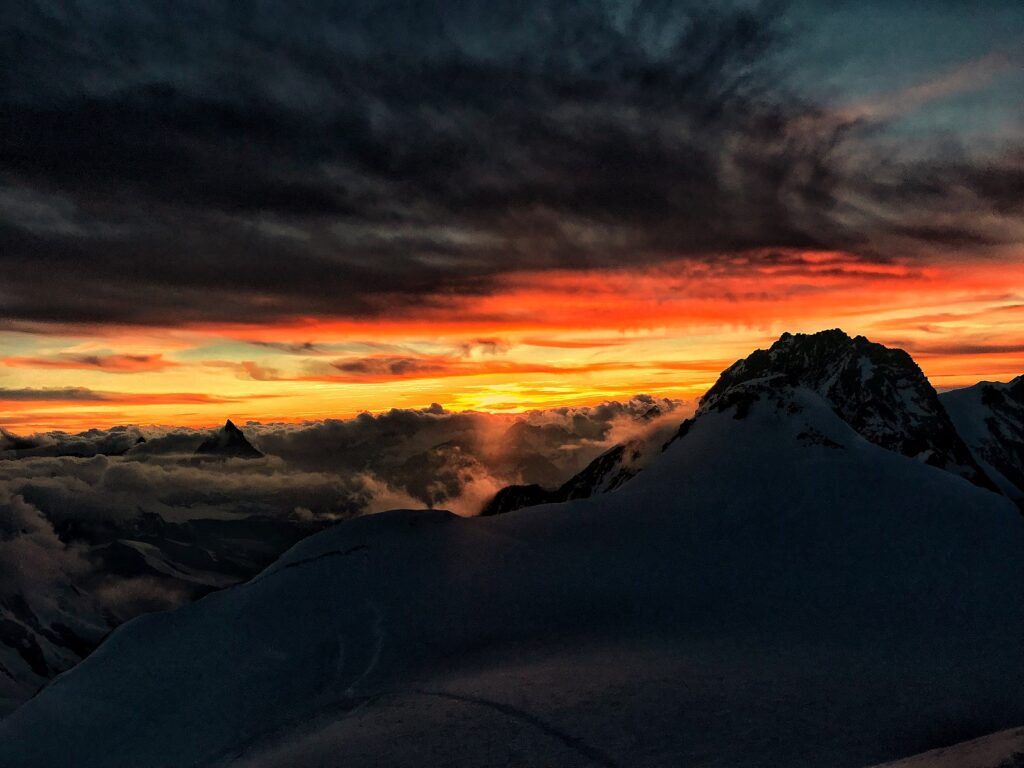
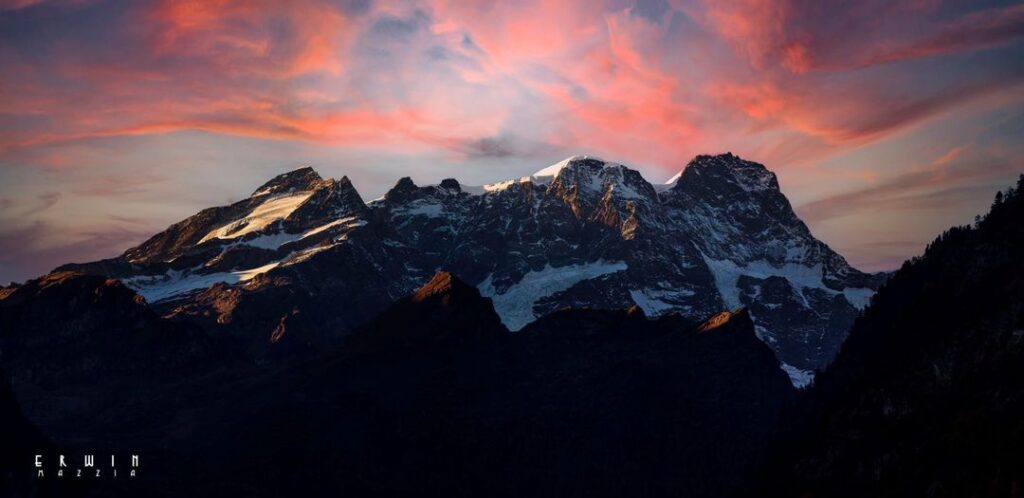
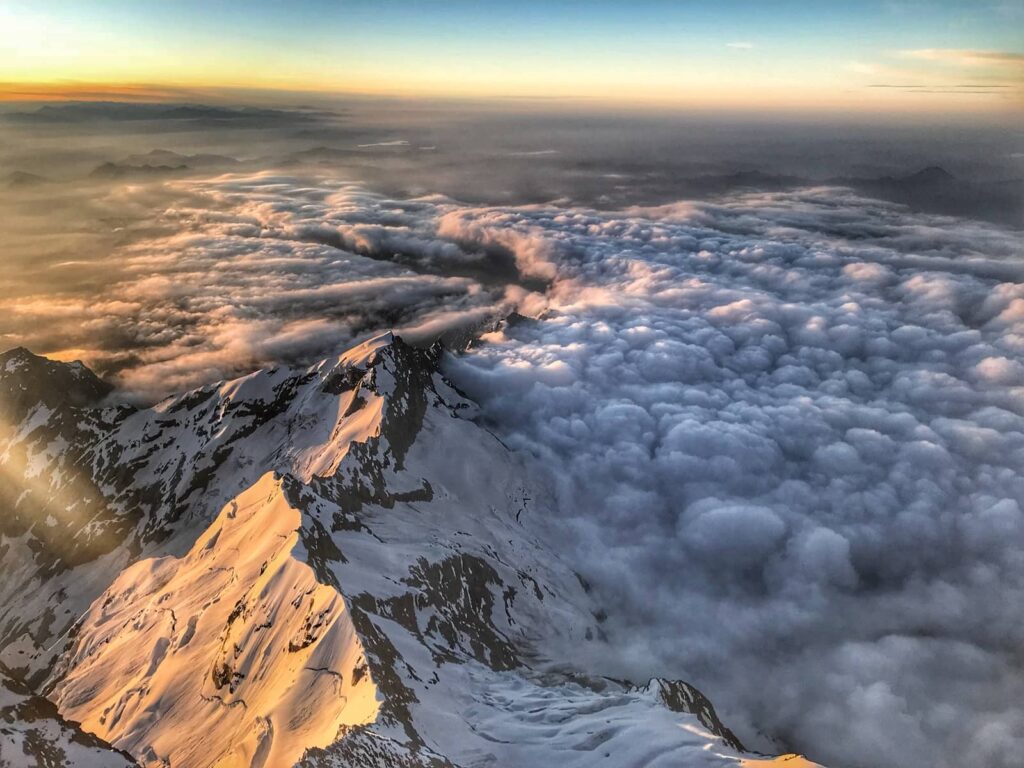
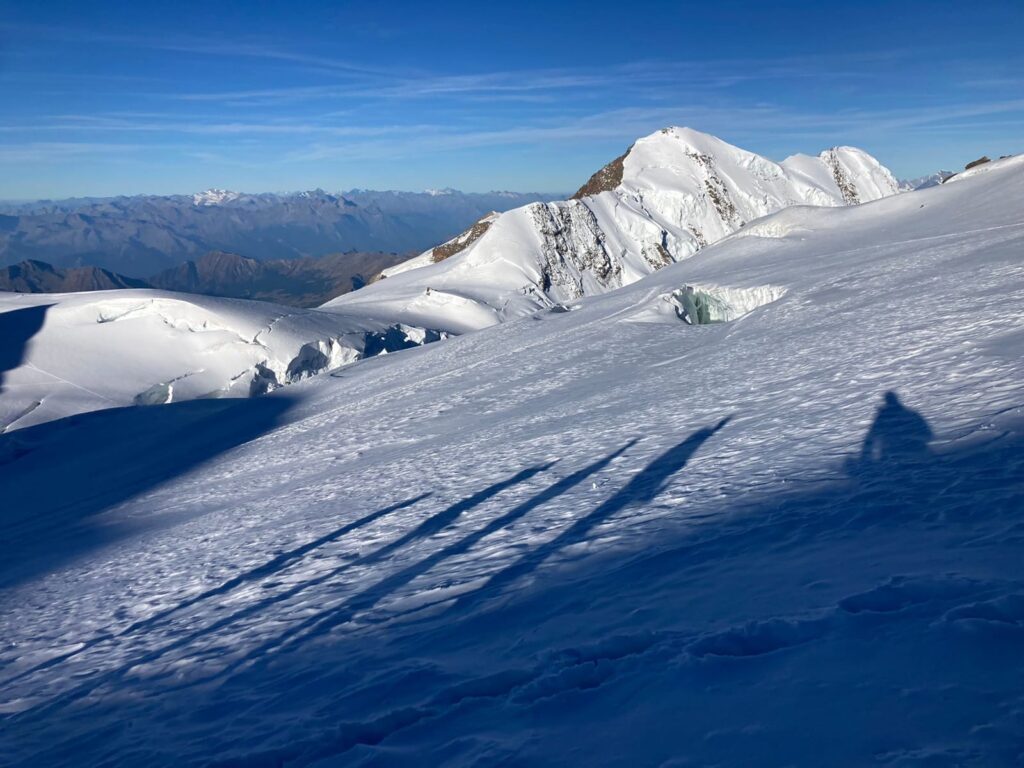
Reaching Alagna in winter is a journey within the journey: it’s not like taking a metro to the city centre. It requires a bit of planning. But that’s also part of the charm: the road climbing into Valsesia gradually immerses you in the Alpine atmosphere, surrounded by forests, rivers, and snow-covered peaks.
Whether you come by car, bus, or taxi, preparation is key: snow chains or winter tyres, bookings made in advance, and schedules checked carefully. This way, instead of worrying about logistics, you can focus on what really matters: enjoying the snow of Alagna to the fullest.
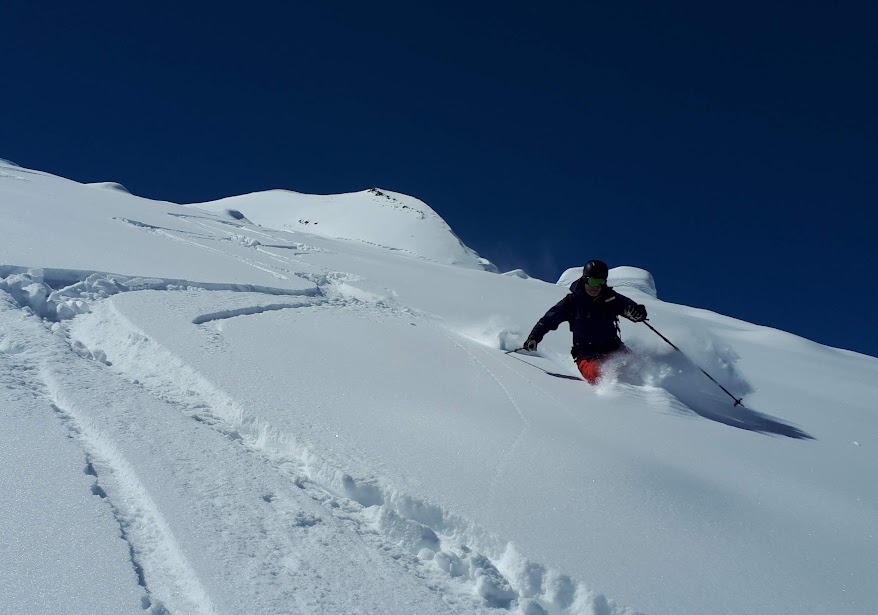
When talking about freeride in the Alps, there are names that keep coming up, season after season: Alagna and Gressoney in winter are transformed.
Places that don't need to impress: just put on your skis. It's no coincidence that riders from all over Europe come here: you don't come here to "go skiing," you come to experience the mountains with style, technique, and passion.
Monte Rosa dominates the scene with its massive presence, the lifts take you to altitude quickly, the guides know every corner, and the natural snowfall often makes all the difference.
Here freeride speaks many languages, but the adrenaline is the same for everyone. Alagna and Gressoney in winter are not villages frozen in time. Stone and wood still speak, but today they contrast with carbon ice axes and ARTVA in your backpack.
The ideal conditions? They're often called January. Those who know the season understand: the peak quality arrives between January and February. Dry snow, perfect temperatures, ideal conditions for dream lines.
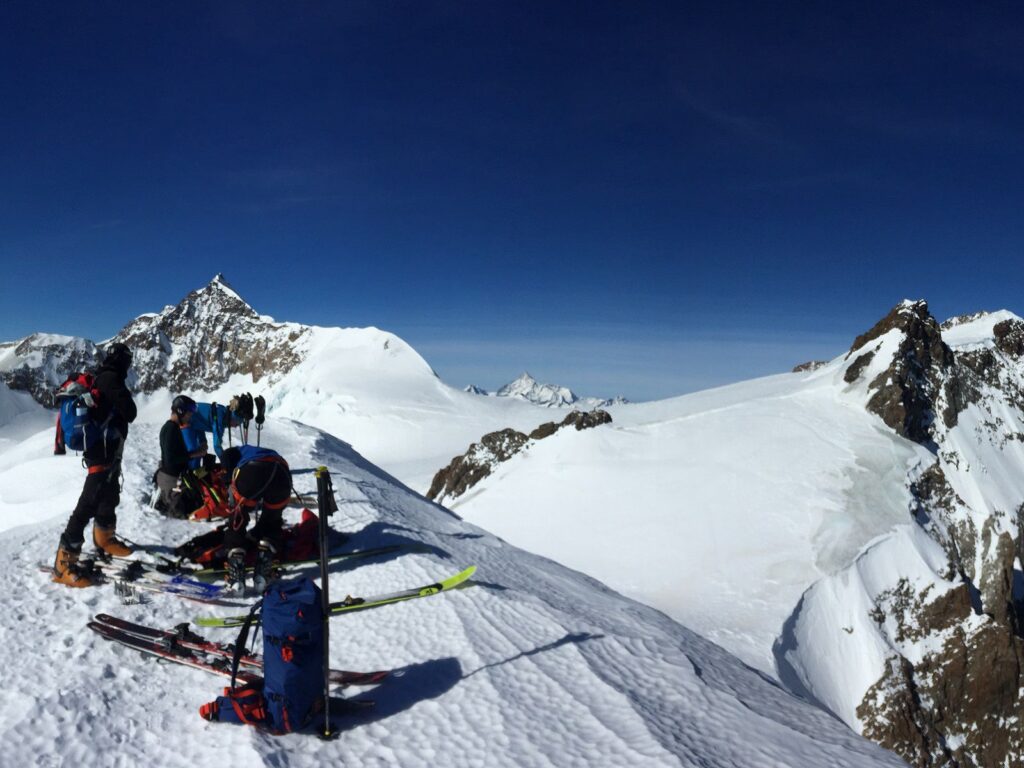
The descents often start from Punta Indren, but they don't stop there. Outside the boundaries of groomed slopes begins the real game: couloirs, valleys, and forests become the perfect terrain for those who can read the mountain and push at the right moment.
Iconic Freeride Spots
La Bettolina on the Gressoney side: varied and fun route, with forest sections, ideal for beginners.
La Balma: 1900 meters of vertical drop in one of the most complete lines in the alpine arc. A classic that always remains powerful.
Passo della Civera with descent to Zube: a less beaten area, perfect for those seeking a more intimate dimension and wild views over Val d'Otro.
Vallone delle Pisse: classic starting point for accessible and fun freeride days, with infinite variants and options.
Local UIAGM mountain guides are an integral part of the system: they accompany, train, observe. It's not just about safety, it's culture. In Alagna and Gressoney in this season you grow up with the mountain beside you, not above you.
Ice Falls: Verticality and Concentration
Those who want to alternate skiing and ice axe find what they're looking for.
The ice in Alagna is varied and technical: ranging from accessible flows to routes that require experience and precision. In Gressoney the choice is varied. The climbs are quick, access is direct, and the setting... magazine-worthy.
Names to Watch:
Le Grotte di Cristallo and Il Silenzio Walser in Alagna and Velo Azzurro in Gressoney for those who want to start without giving up the environment.
Il Cascatone di Gender in Alagna and La Cascata di Punta Iolanda in Gressoney: constant flow, variable difficulty, pure aesthetics.
Lacrima sul Viso in Alagna and Thriller in Gressoney are serious business, to be tackled with mind and preparation.
Here too, mountain guides make the difference. Some climb with them to learn, others return to test themselves, others alternate skiing and ice in an intense and full week.
March: The Great Moment of Ski Mountaineering
When the sun begins to rise and days get longer, Monte Rosa transforms. Freeride continues, but for many, the real time of ski mountaineering begins.
March offers space, light, and snow that holds. Dawns stretch out, and the mountain seems to slow down only for those who know how to listen to it.
Capanna Margherita (4554 m): a climb that must be earned meter by meter. Glacier, altitude, thin air: to be tackled with experience, it offers rare emotions.
Piramide Vincent (4215 m): a less crowded option, perfect for testing yourself at high altitude.
Punta Giordani (4046 m): excellent entry into the world of winter 4000ers. Progressive elevation gain, opening panorama, growing awareness.
Tour del Monte Rosa: a spectacular traverse connecting Alagna to Zermatt, Champoluc, and Gressoney. Four days among grandiose panoramas and peaks over four thousand meters, with light backpack and high-altitude rhythm.
Those who practice ski mountaineering on Monte Rosa take home much more than a summit. They take real experiences: timing, strategies, adaptations, managed errors, shared decisions. Real mountain, in other words.
After the Snow: Refuges, Craft Beer, and Stories
The day doesn't end at the last turn. The return to the valley is part of the experience: skis on feet down to the village and a craft beer at the Centro bar. In Gressoney, people gather at the Wunderbar.
The scene is made up of local freeriders, passing alpinists, tourists. Evening brings everyone to the same table: those who traced alone, those who followed a guide, those who made their first off-piste descent. People talk about snow, laugh, plan next outings.
On gray days, you slow down. You study, recover, adapt the plan. No anxiety: the right snow always returns. And if there's no snow, you search for it.
Because the mountain isn't always perfect powder, but it's adventure, adaptation, curiosity. It's discovering new lines, exploring different corners, reading the weather and choosing the right window.
Sometimes you turn back, sometimes you change zones, sometimes you learn more in a day without descent than in a perfect day.
If snow doesn't arrive, you change approach. We're used to linking winter to skiing and summer to mountaineering, but those who adapt to climate change discover new paths and continue to be amazed.
Vibrant, Sporty, International Locations
Alagna and Gressoney in winter today are no secret. They are well-connected realities, with real services, simple but curated hospitality, people who know what they're doing.
They work well for those who want an intense week, for those seeking a guide for the weekend, for those who organize last minute by checking Windy and SnowForecast.
Those who arrive in Alagna and Gressoney in winter bring different experiences, but the same direction: upward.
A varied community: splitboarders, skiers with legs and brains, alpinists who return every year, active families seeking something more.
The offering grows every year: more courses, more collaboration between guides, more accessible refuges, evolved rentals, shuttles and transfers for day trips. But the heart remains the same: those who come here seek the real mountain.
Those who come here seek real experiences, not catalog promises. Those who choose Alagna and Gressoney in winter know what they're looking for: authentic mountains, strong emotions, and an environment that doesn't need to be explained.
You don't come to "disconnect," but to connect to something that matters. You come to work hard with purpose, to look at a slope and feel it's the right moment. You return with burning quadriceps and a lighter head.
Mountain Guides: Not Just Safety, but Vision
Behind every successful experience, there's the silent competence of UIAGM mountain guides.
They build experiences, scout, train clients, read the territory. Many of them were born or live here. They've climbed Rosa in every condition, traced in every valley, slept in bivouacs, and know the refuges where you eat well. They're a precious resource for those who want to level up, for those seeking a technical and personal growth path in harmony with the territory.
Alagna and Gressoney in winter is the right place to make it reality. No pre-packaged deals, no flash offers. Just people who love this territory and want to help you experience it in the best way.
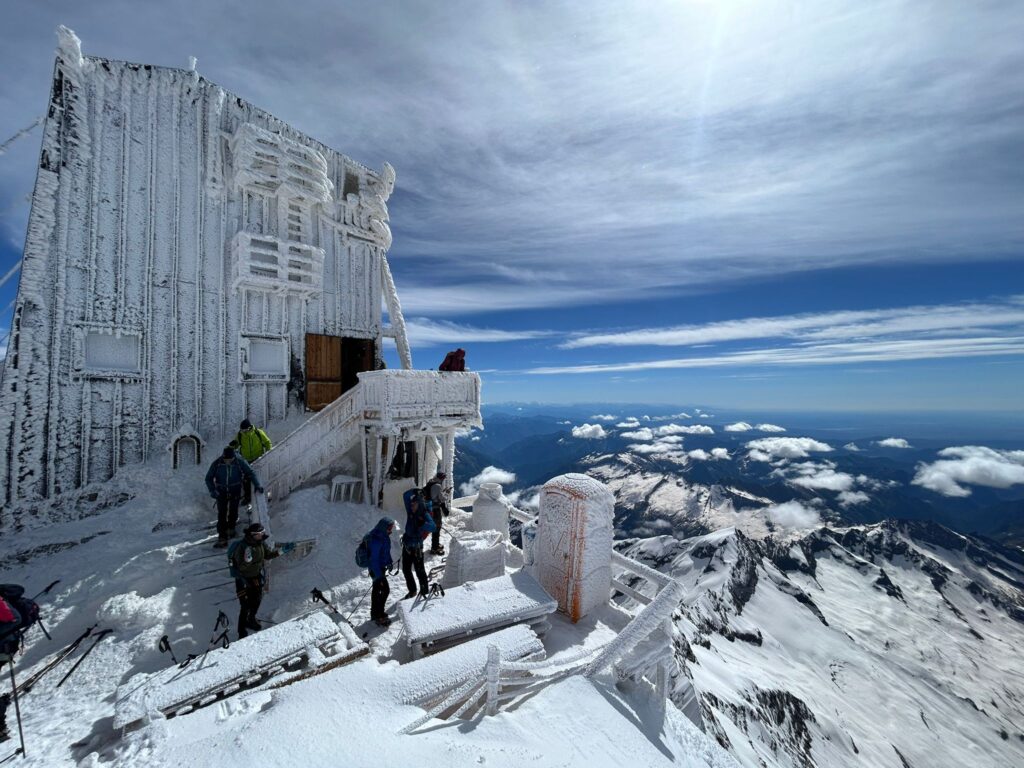
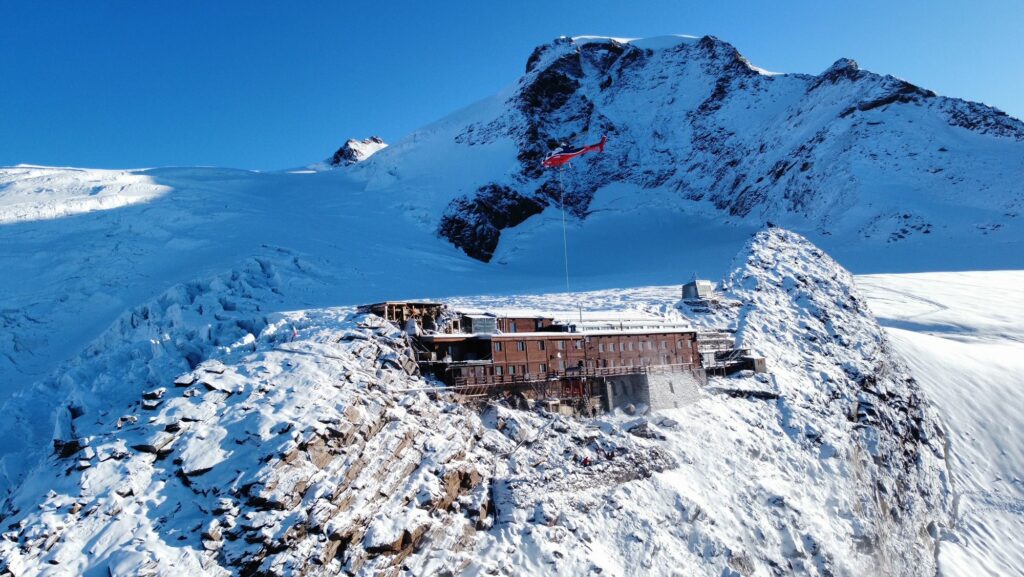
A historic outpost at 3647 meters
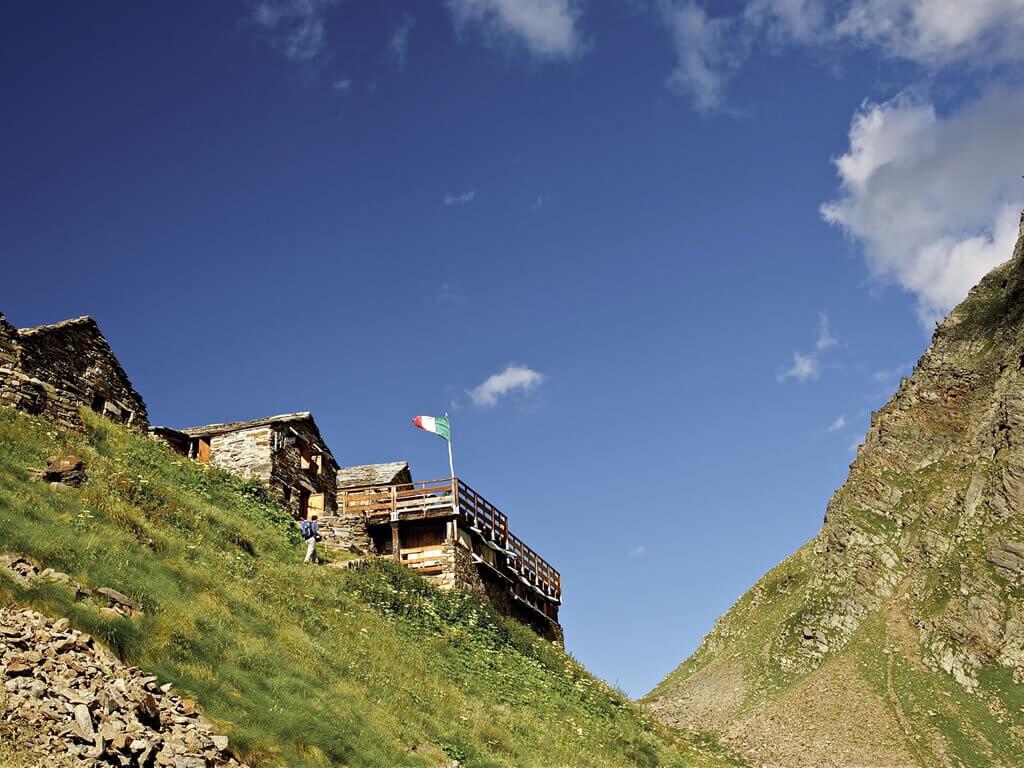
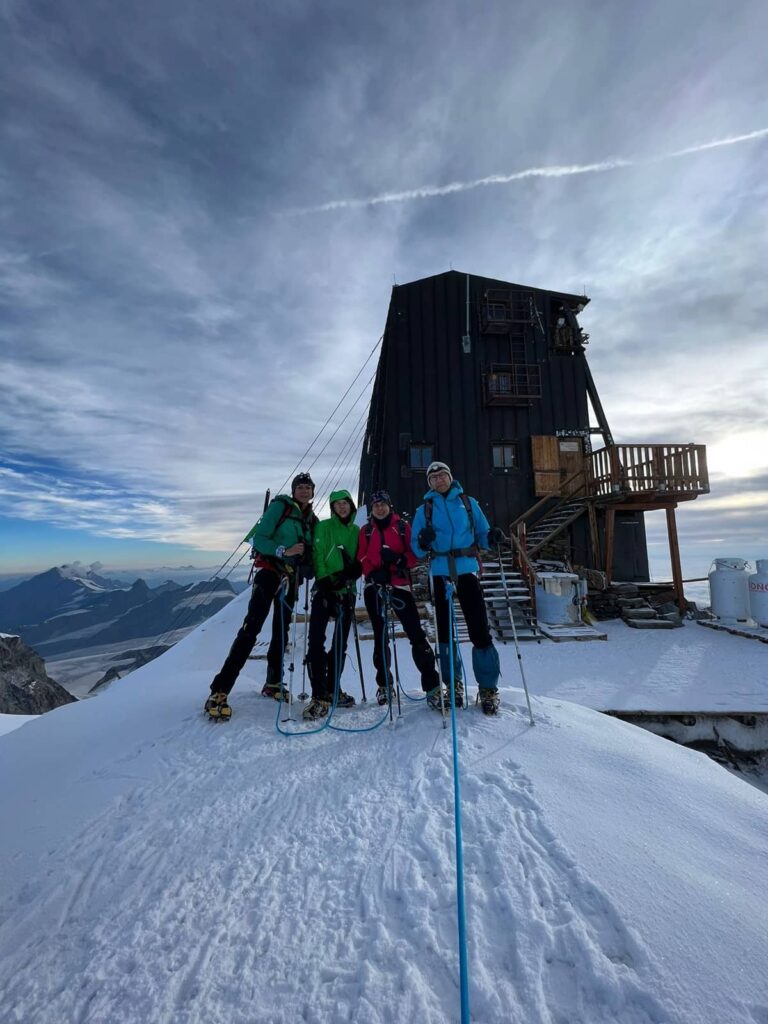
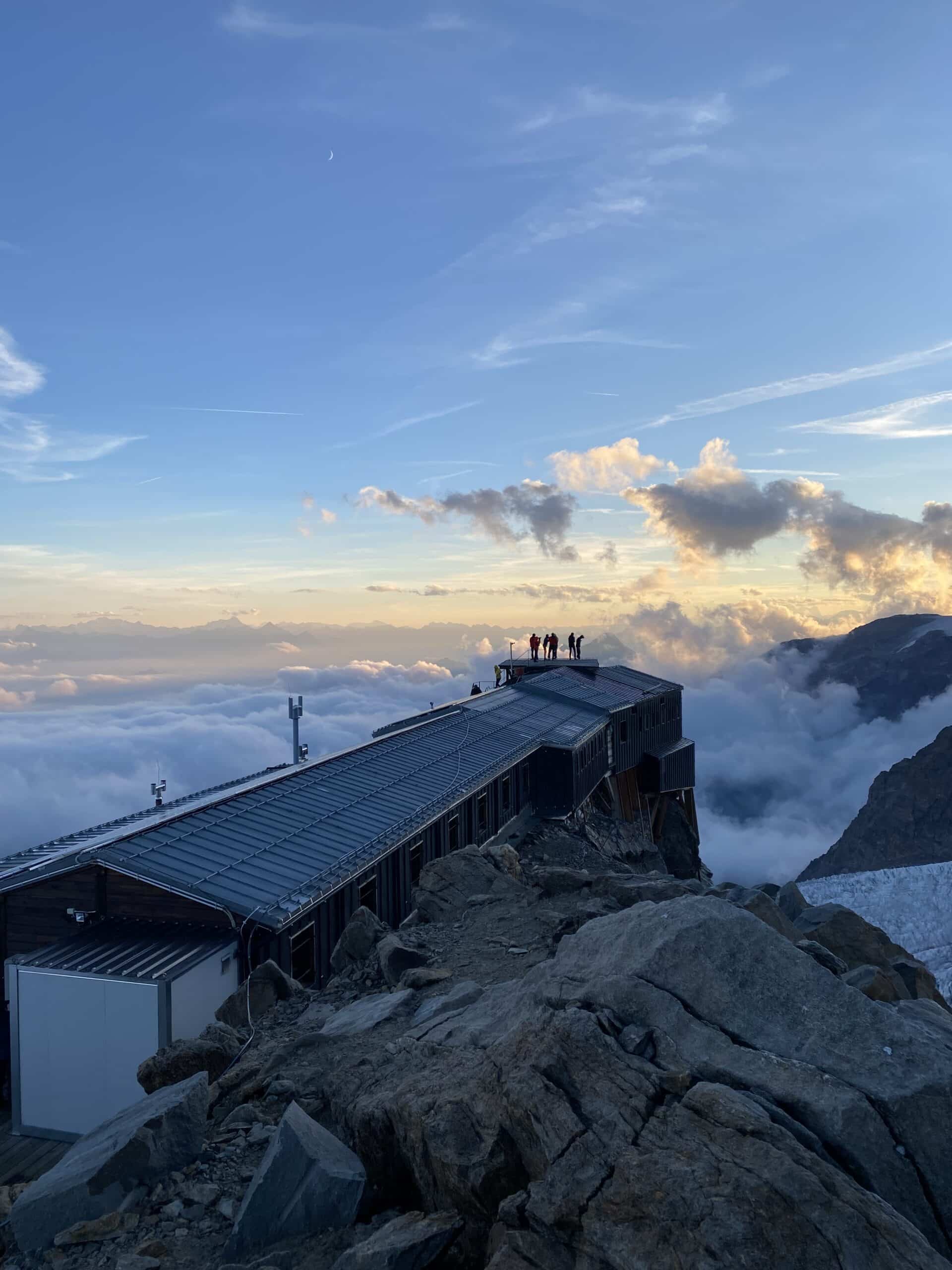
At 3647 meters, the Capanna Gnifetti Refuge is a piece of mountaineering history, but also a modern refuge where, every summer, thousands of people pass through heading towards the 4000-meter peaks of Monte Rosa. Here you stop, eat, rest and depart for climbs that remain in your memories. It's not just a technical stop: it's a place where you breathe the essence of true mountain. The kind that knows how to welcome those who arrive with respect and preparation.
Capanna Gnifetti is a piece of living mountaineering history, but with its gaze always looking forward. More than a traditional refuge, it's a crowded outpost, a true base camp for those aiming for the peaks of Monte Rosa. Here you come to eat, rest for a few hours and prepare for climbs that leave their mark. A passage point where, every summer, experiences, stories and projects of those seeking altitude with respect and determination intersect.
Management and historic guardians
In the history of Capanna Gnifetti, charismatic figures of guardians have alternated, giving face and character to this place. Today the management is in the hands of Erica from Rifugi Monterosa, who for years, with dedication, takes care of the mountain people. Her experience and deep connection with Monte Rosa keep alive one of the most challenging outposts for peaks to manage: no running water, position perched on the rocks of Garstelet and continuous crowding in a historic structure that guards memory but must guarantee efficiency.
The bar: historic heart of the refuge
Even the structure of Capanna Gnifetti has changed over the years, but the bar is always the same. It's the heart of the old refuge, full of stories and expectations, lined with ancient wood, which has seen names like Bonatti, Messner, Mondinelli, Barmasse, Steck, Kammerlander, Lafaille, Moro, Nives Meroi and Tamara Lunger pass through. Today it listens to the voices of those leaving for their first Vincent, aiming for Margherita or seeking challenging heights and iconic routes. The Gnifetti bar has been unchanged for decades: people change, history gives way to the present, but the walls remain the same. When it's full, before going to sleep, voices mix and fill the air. When it's empty, in the silence of high altitude, the echo of those who passed remains. Gnifetti is a keeper of memories, in a refuge that grows and transforms following the evolution of mountaineering.
Cuisine and hospitality for everyone
Vegetarians, celiacs, intolerant: at Gnifetti no one is left behind. Erica and her staff know how to welcome everyone. There are no food problems up here: the kitchen is well-equipped, the dishes are simple, abundant and fresh, designed to give energy to those who climb. Attention to ingredients and details is the norm.
The rooms: essential rest
Do you sleep at Capanna Gnifetti? The rooms are essential, the beds many and equipped with duvets, but without sheets: the sleeping bag liner is mandatory. There are those who close their eyes for a few hours before leaving at night and those who return exhausted after their first peak above 4000. Here inside you sleep little, but you really rest. The rooms welcome those who arrive, those who depart, those who exchange a few words with a stranger, who tomorrow will be just a dot on the rope. Every bed has seen soaked boots, fleece hanging to dry, backpacks ready to leave again. Everything passes through here: those who sleep at Gnifetti take home real emotions — the early wake-up, the lights off, the whispered chatter, the door that closes quietly so as not to wake those who arrive later and incredible sunsets.
A starting point for the peaks
Capanna Gnifetti is a real refuge. Cared for by those who know it well. Always the same since 1876, always alive, always evolving. From here you depart for Piramide Vincent, Parrot, Margherita, Zumstein, Naso dei Lyskamm and many other iconic routes of Monte Rosa. Gnifetti is a precious passage point, a true advanced base camp for those seeking thin air.
The UIAGM mountain guides from Alagna consider it their home at altitude: they know it well, they know when it's time to leave, when to stop, when to turn back.
The Chapel of the Madonna of the Glaciers
Near the refuge stands the small Chapel of the Madonna of the Glaciers, which dominates and watches over the glaciers of Monte Rosa from the extraordinary altitude of 3647 meters. Considered the highest chapel in Europe, it is a testimony of faith, friendship and gratitude, created to forever remember Don Aristide Vesco, generous educator and enlightened spiritual guide.
On August 5, 1967, after years of planning, work and complex transport in extreme conditions, the chapel was blessed and inaugurated with a celebration presided over by H.E. Msgr. Luigi Bettazzi, then Bishop of Ivrea, together with the Salesian Regional Superior Don Amedeo Verdecchia.
From that day, every year, on the first Saturday of August, mountaineers, visitors and pilgrims climb up here to participate in Holy Mass and remember all the fallen of Monte Rosa.
Ready for adventure?
Ready to climb? Capanna Gnifetti is there for those who want to go beyond simple hiking. Here you live the mountain for real, step by step, with our UIAGM mountain guides by your side. Plan your first peak above 4000 safely, with the right preparation.
Write to us, book, climb. Gnifetti is ready to welcome your story too.
INTRO
How to prepare for the Lyskamm Traverse?
It's a question we get asked often, because the Lyskamm crossing is a highly sought-after goal reserved for the few who haven't just dreamed about it, who haven't just found the courage to do it, but those who have sweated and trained to experience it.
In this article we tell a possible path, concrete, progressive and human, to get, one day, to live it.
With head, technique and heart.
WHAT DOES IT MEAN TO DO THE LYSKAMM CROSSING?
In the mountains, wherever you may be, something simple but profound happens.
It happens when the noise of the world calms down, leaves room for the sound of footsteps, breathing and a thought that becomes clear.
Why face crests, cold, differences in altitude and waking up at dawn?
Because “normal” mountaineering is a way to rediscover the meaning of doing, in a gesture that finds its greatest strength in its uselessness.
Even the crossing of the Lyskamm, as mythical as it is, at a certain point simply becomes part of the journey. Not an exception, but an evolution.
Prepare for the Lyskamm Traverse It's not just a technical issue: it's a path that is built.
Every summit reached, every bivouac, every little mistake that teaches you something become part of a personal narrative made of trust,hard work and beauty.
Step 1: The first 4000 – Where mountaineering really begins
Let's start with the basics. There's no need to rush, but there's build a solid foundation.
Because everything (balance, rhythm, listening skills) starts from here:
Giordani Peak (4,046 m)
Short, accessible, but already above 4000: a high-altitude baptism that leaves its mark.
Should you do it? Yes, because it changes the way you look at the mountain.
Piramide Vincent (4,215 m)
A real glacier, 1000 meters of positive altitude difference, an excellent high-altitude gym.
Here you really get into the rhythm of mountaineering.
Step 2: Technical training – Learning to move with awareness
It takes time to learn. And someone to accompany you. Mountaineering courses are a key step. A ritual, if you will.
• To move on snow, rock and mixed terrain with awareness.
• To understand what it means to be tied to someone in the technical and symbolic sense.
• To discover that every gesture counts, every decision has a weight.
Step 3: Climbs that make you grow – Building your head, legs and confidence
When your body responds better and your head gets used to the gaps and distances, you can push yourself further:
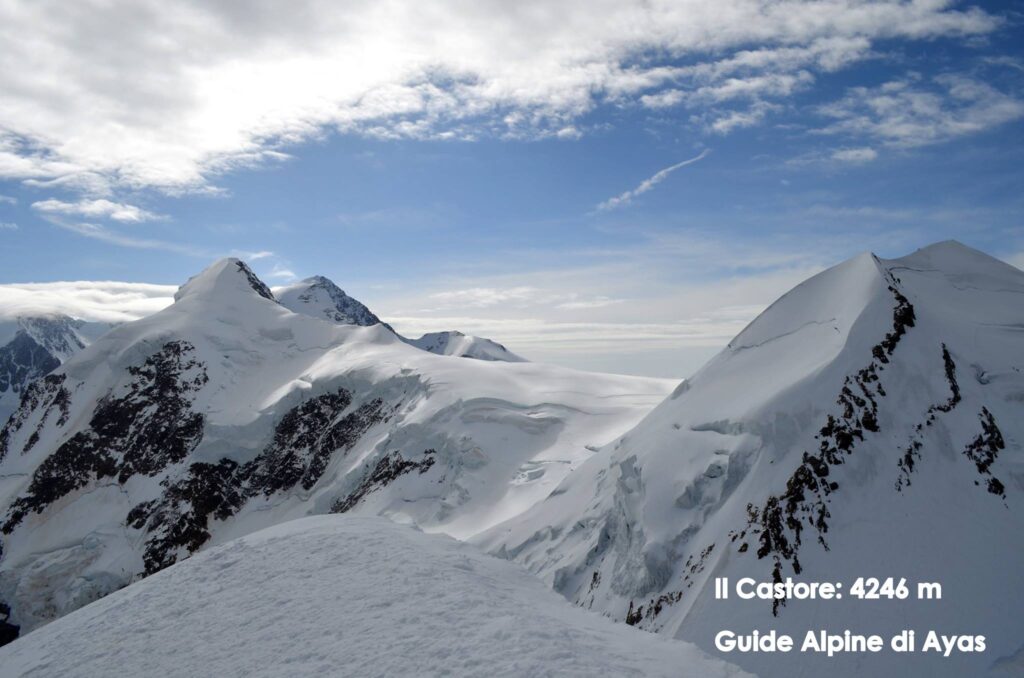
1. Castor (4,228 m)
An elegant mountain, with an airy crest that teaches you how to tread safely.
2. Polluce (4,091 m)
Rock and snow, hands and feet. A complete climb, perfect for training technique and decision.
3. Lyskamm Nose (4,272 m)
The first real taste of exposure. A way to see if that crest is really calling you.
These are climbs that speak of you.
How do you react to fatigue?
What do you do when the wind comes?
How do you decide above 4000?
Step 4: The Ridges – Where You Decide If You're Ready
Three spectacular itineraries, three different ways of walking on the wire.
The Cresta del Naso from Bivacco Mamo, the Cresta Sella and the Cresta Rey on the Dufour are much more than training: they are high-altitude experiences that put you to the test and prepare you to dream big.
1. Lyskamm Nose Crest
Grade: AD+ Difference in height: Day 1:1,800 m to the Mamo Comotti bivouac (6-7 hours) Day 2:600 m to the Nose (3-4 hours), or 6 hours to the Eastern Lyskamm Descent: 3-4 ore Maximum quota: 4.272 m
One of the most intriguing and wild ridges of Monte Rosa.
Long, panoramic and solitary, it takes you to an authentic and silent environment, far from the beaten track.
The Mamo Comotti bivouac is a high-altitude jewel, perfect for experiencing a night out of time.
The route alternates easy climbing sections with snow passages: it is ideal for those who want to explore the mountain in depth, without compromise.
Want to prepare for the Naso Ridge?
It starts from Soldier's Crest.
2. Sella Ridge at the Eastern Lyskamm:
Grade: AD+ Difference in height: Day 1:220 m to Rifugio Mantova (1 hour) Day 2:1,050 m uphill (about 5 hours) Descent: 2-3 ore Maximum quota: 4.527 m
Among the most evocative itineraries of the massif.
A rocky ridge, dry and often well protected even after bad weather.
Not too technical, but exposed, and always demanding: it is a route for those who already have experience in high mountains and know how to move on mixed terrain.
It offers a great mental workout: balance, attention, progression in tandem.
Do you want to try it?Train on Soldier's Ridge, or look at the Lyskamm from the Margherita Hut and start imagining yourself up there.
3. King Crest at Dufour Point
Grade: D- Difference in height: Day 1:370 m to the Gnifetti refuge (1.5 hours) Day 2:1,300 m uphill (5-6 hours), 4-5 hours downhill Maximum quota: 4.634 m
A challenging classic, which takes you to the top of the highest mountain of Monte Rosa.
The route develops along the marked south-west spur (SSW), between 4,200 and 4,600 m, with sections on well-gripped rock and mixed sections, depending on the conditions.
The passages of the third and fourth degrees alternate with exposed and never banal sections.
A route that requires good form, concentration and mental strength.
Dedicated to Guido Rey, mountaineer, writer and photographer, this ridge is a true immersion in classic high-altitude mountaineering.
A strong experience, for those who feel they are ready to level up.
Step 5: The Lyskamm Traverse – The White Line That Changes You
Now you know the answer to the question “How to prepare for the Lyskamm Traverse”.
A white line suspended between two peaks.
A thread stretched between sky and ice.
That experience is one of those things you dream about, then prepare for, then, perhaps, do.
Preparare for the Lyskamm Traverse asks for everything: head, technique, form and ideal conditions.
In return, it offers one of the most fascinating routes in the Alps.
It's not for everyone, but it's not for just a few either.
It is for those who have chosen to sacrifice themselves, sweat and train, accompanied by the right UIAGM Alpine Guide.
So if you prepare well like those who climb with us do, it's definitely for you.
Sample program:
Day 1 – Ascent to Quintino Sella Refuge (3,585 m) You meet with the guide, check your equipment, look at the ridge. That's where it all begins.
Day 2 – The crossing Departure at dawn: Western Lyskamm (4,481 m), then the ridge, then Eastern Lyskamm (4,527 m) and descent towards the Colle del Lys. A full day, to be lived to the full.
CONCLUSION
When you cross the Lyskamm, you are not just walking on a ridge: you are walkingwithinan idea, within the story and within yourself.
You have to be ready, you have to know how to listen to the mountain and trust your preparation.
Every step becomes a choice, every bond a relationship, every glance an unrepeatable moment.
It is not a mere enterprise to collect, but an experience to feel on your own skin, an experience to live inside your belly and that will leave a mark on you.
And even if you decide not to do it right away, the crossing will remain inside you. Like a call. Like something waiting for the right moment.
In the meantime, you can start listening to yourself. Building yourself. Climbing up.
We are here. To accompany you in every step of this vertical journey.
👉 Need to know where to start? Write to us: We help you plan your first 4000 or prepare for the Lyskamm Traverse
June is the New July – Time to Return to the Heights
It’s snowing. A thick, slow snowfall that covers everything and muffles all sound. On Monte Rosa, winter still has the final say. But beneath that fresh blanket lies a glacier preparing itself. The stage is set, the scene is ready, and mountaineering can begin anew.
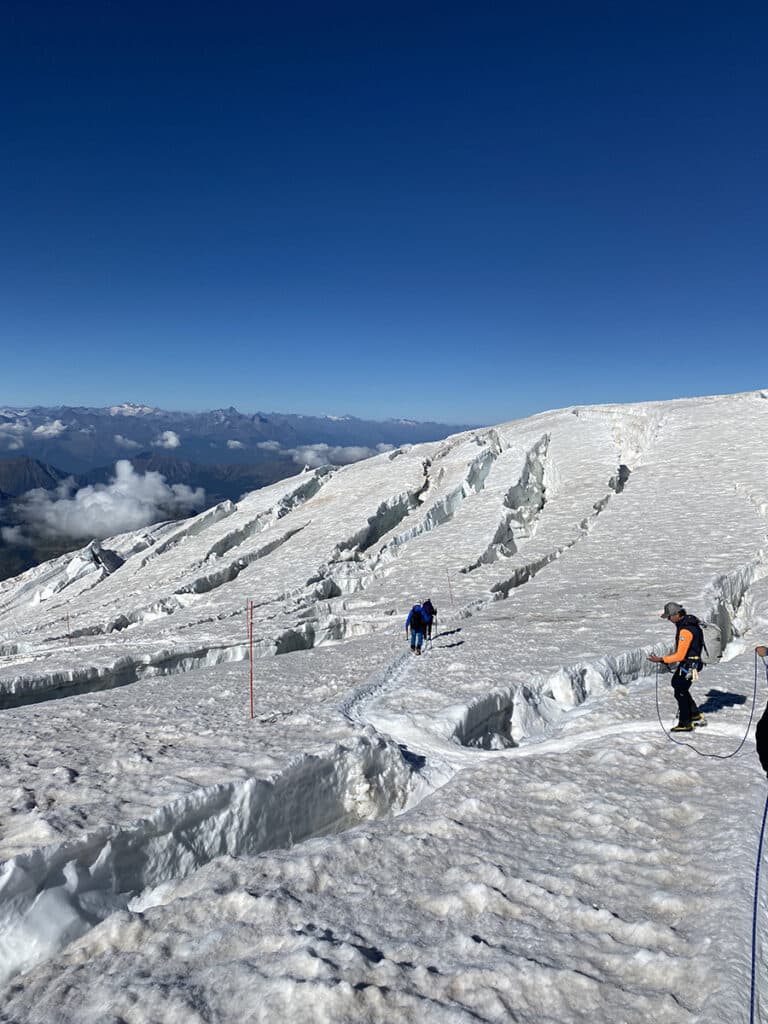
For those who approach the mountains with both mind and muscle, it’s now clear: June is the key month. Despite the persistent belief that July is the best time for high-altitude climbs, recent years tell a different story. In June, glaciers remain well-covered in snow. Temperatures are stable, meltwater channels haven’t yet carved through the snow, and crevasse bridges hold firm. The environment is white, untouched, and readable.
The Impact of Climate Change
Global warming isn’t just a theoretical concept for debate. It’s tangible on every outing. July, once the ideal month, has become problematic. Temperatures rise too high, too quickly. Rockfalls increase, seracs shift, and climbing parties either set off at night or not at all. Good weather windows are narrowing.
June, on the other hand, still offers leeway. Nights are colder, there’s more snow, and less stress. It’s merely a matter of changing habits. Recalibrating the calendar. Focusing on the present, not the past. Acknowledging that the new beginning is now.
This Year, We Start on 30 May
With the 2nd of June bank holiday, lifts open from both Alagna and Gressoney. It's time to return to the heights, whether on skis or with tightly laced boots. The outings are taking shape.
Indeed, in certain sheltered spots, some ski mountaineering routes will still be possible in early June.
The starting point for almost all ascents of Monte Rosa is the Passo dei Salati, at 2,971 metres. From there, you enter the heart of high altitude. You can choose to ascend from the south or the west, from Alagna or Gressoney. But remember: the two locations are separated by just a pass, yet reaching them by car requires a 170-kilometre drive. Better to go on foot. Or by cable car.
Is Monte Rosa in Piedmont or the Aosta Valley? In Italy or Switzerland? The answer is simple: it’s everywhere.
From Gressoney, your gaze opens onto the severe, imposing west face, with the Vincent Pyramid in the foreground. From Alagna, you admire the broader, brighter south face: the skyline traces the lines of the Gnifetti, the Parrot, and, of course, the Margherita Hut.
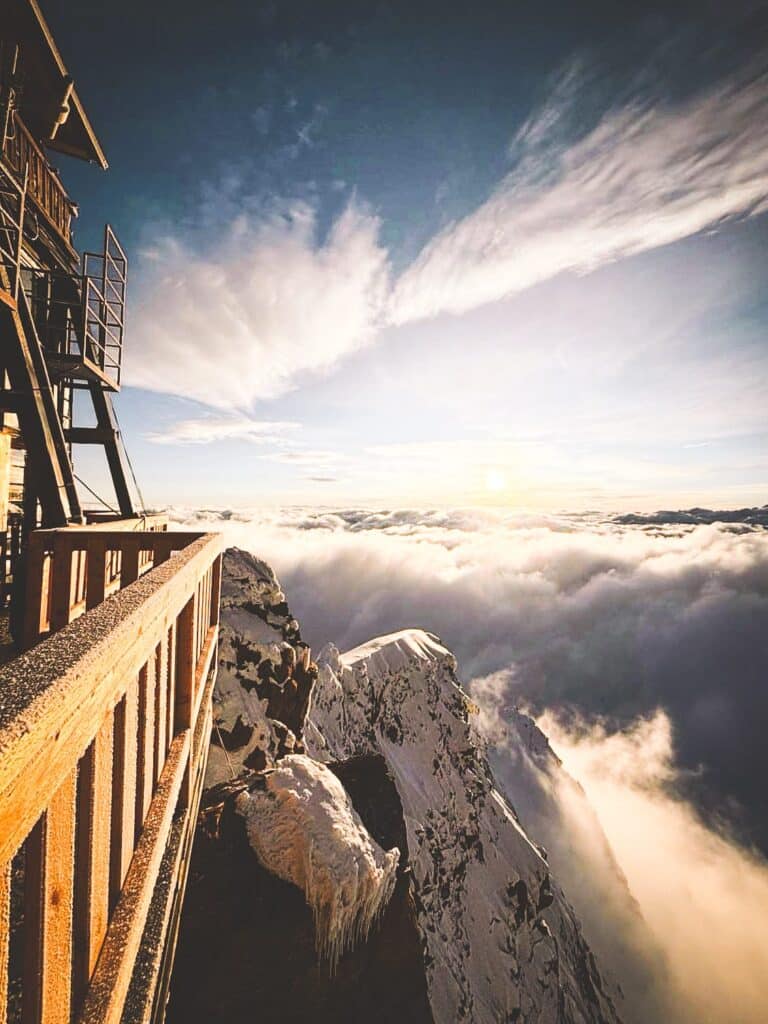
And it doesn't matter if the hut is still closed in June (official opening is on the 21st): you can’t sleep there, but you can enter the winter room, step onto the balcony, and look down. Feel the air. Understand where you’ve arrived.
Ready to Set Off Towards the Margherita Hut?
On the 1st and 2nd of June, we ascend with the alpine guides of Alagna and Gressoney to attempt reaching the highest hut in Europe over two days: one night at altitude, step by step towards 4,554 metres. If your legs are ready, we go. But in the mountains, she’s in charge. If the weather or snow alters the plans, we aim for another 4,000-metre peak.
Because mountaineering isn’t about conquering; it’s about listening. Adapting, reading, deciding. Taking a step back if needed. One forward, if it’s time.
We want to open the summer with the right spirit. With the desire to be moved without overdoing it, chasing that lost normality made of good effort, clear horizons, and true silence. Two days to rediscover the mountain's rhythm. Want to try? Write to us for this special event.
Two Perfect Ascents to Start the Season
Punta Giordani – The First Step Towards High Altitude
For those looking to start, this is the place. The Giordani (4,046 m) is the southernmost summit of Monte Rosa, and the most accessible. A 750-metre elevation gain, a progressive ascent on snowy slopes, without open crevasses at the season's start. The glacier is gentle, but the environment is authentic. High mountain. Rope, ice axe, crampons. Steady steps.
It’s not a walk in the park, but it’s within reach. And above all, it’s a school. Here, you learn to move in a rope team, to breathe slowly when the air is thin, to place one foot after the other with care.
The ascent is short but intense. And the view from the summit reveals a new world.
Difficulty: F
Elevation Gain: 750 m
Duration: 2h30–3h
Punta Vincent and Cristo delle Vette – Training and Expansive Horizons
The Vincent Pyramid (4,215 m) is one of Monte Rosa's iconic peaks. You ascend along the Lys Glacier, as engineer Jean-Nicolas Vincent did in 1819. From there, you overlook everything: Valsesia, the Lys Valley, the Ayas Valley. As far as the eye can see.
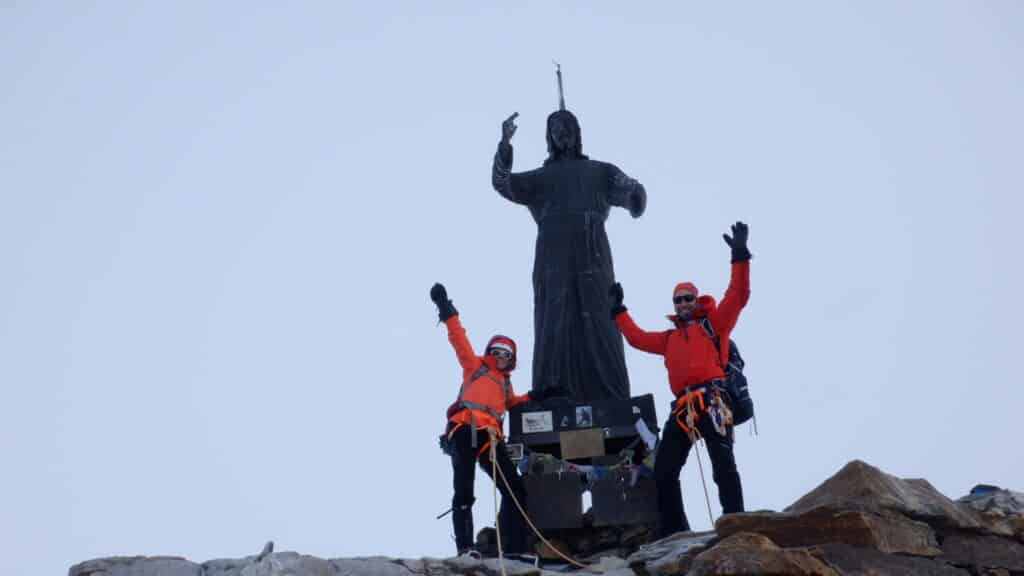
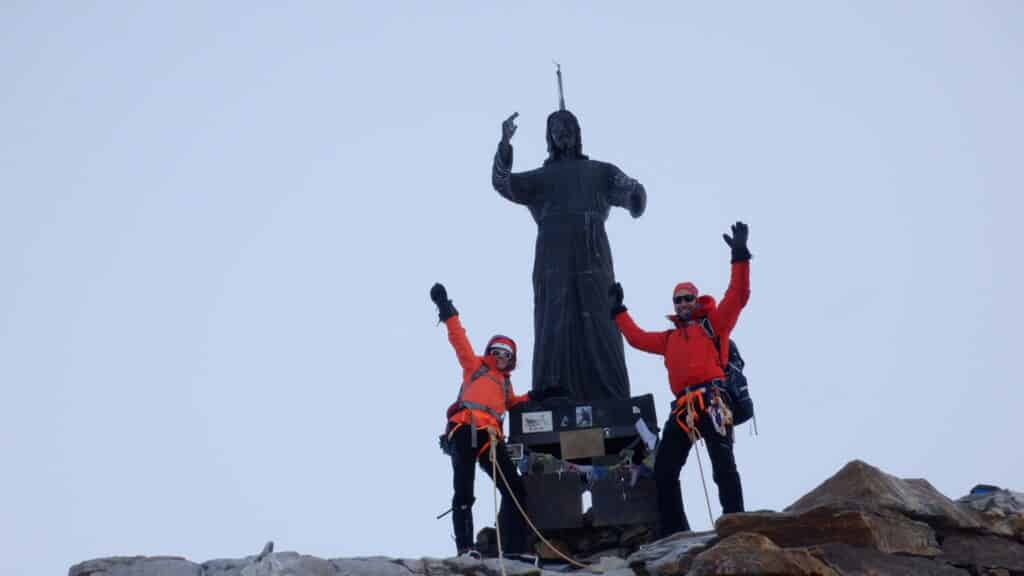
Then, you detour onto the rocks of the Balmenhorn (4,161 m), where you encounter the Cristo delle Vette. A massive statue, placed among the rocks by Alfredo Bai as a thank-you for returning from the war. Powerful gesture, surprising presence.
The ascent to the Vincent is progressive but longer and more structured than the Giordani. More elevation gain, higher altitude, deeper breaths. Yet, it remains an early-season climb, perfect for testing oneself, training, and learning.
Difficulty: F+
Elevation Gain: 950 m
Duration: 3h30–4h
It can be done in a day, but it's also ideal to split over two, staying overnight at the Mantova or Gnifetti huts.
And Then?
If you feel you still have energy, there are other names to jot down in your notebook.
Castor peak, perfect for a first ridge thrill. The Pollux, more technical, more vertical. Soldier's Ridge, a slender line to tackle with a clear mind. The Lyskamm Nose, flowing gracefully at the base of Monte Rosa's giants.
All objectives to be approached intelligently. It's not about strength but about pace, method, and attentiveness.
And it all begins now, in June, when the mountain is still silent, and its spaces are emptier.
Why Climb?
No heroic reasons are needed. Mountaineering isn't a challenge; it's a language. It requires only desire, consistency, a certain patience. And then listening. To the mountain, to the body, to the group.
Climbing brings order to thoughts. It enforces slowness. Builds focus. Eliminates the superfluous.
And June is the time when everything is still possible. No summit has yet been "conquered." No trail is beaten. It's just you, the guide, the untouched snow. Time to step off the beaten path, yes. And without leaving a trace.
Start here. To go wherever you wish.
Our June Ascents – Choose Your Path to High Altitude
1–2 June The first ascent of 2025 – A special event for those who don't want to wait. An exclusive outing for those eager to start immediately. Few spots, plenty of opportunity. 👉 Write to us if you want to join.
6–7 June Margherita Hut with skis – The last great ski mountaineering of the season. For those dreaming of skinning up the glacier and removing skis... only at the summit. 👉 View the programme
7–8 June Classic Margherita Hut – High altitude, crampons, and steady pace. A genuine ascent that never disappoints. The highest hut in Europe, for the first. 👉 Book online
14 June (two options) • Vincent and Cristo delle Vette – The most panoramic route to climb above 4,000 metres. Click here • Parrot and the 4,000s of Monte Rosa – For those seeking more. A traverse, a test, a journey. Call us if you want to discuss
21 June Punta Giordani – The perfect start. High mountain within reach, but no shortcuts. Learn, listen, climb. And see if you're ready to go further. 👉 Book now
The Alps are not just peaks and glaciers: they are keepers of stories. Tales written by the wind, the snow, and the slow steps of those who have crossed them with respect. Every photograph can become a chapter in that story—whether it’s the outline of a ridge floating in the clouds or the frost-covered detail of a Walser mountain hut.
Mountain photography storytelling asks something more of you. It’s not just about finding perfect light—it’s about capturing the meaning behind every shadow. Behind every breath held at dawn, when Monte Rosa begins to glow under the colours of the sunrise.
It doesn’t matter if you're using a professional camera or a smartphone. In that moment, your tool becomes a pen. And the Alps, your story.
Composing a Story: Tips for Photographing Monte Rosa
Choose your subject with your heart first, and your mind after
Don’t just shoot the summits. Look for the details that speak. A worn rope on a mountain hut. Moss wrapping around a rock. The tired (but joyful) smile of a mountaineer at sunset. These are the elements that bring your story to life—because they’re the ones that truly move you.
Live the moment before capturing it. The strongest photographs are born after listening to the silence of the mountain.
On Monte Rosa, you might capture the faint track of a guide crossing the Lys Glacier, or the smoke rising from the chimney of Capanna Margherita. Each subject is a doorway into a story.
Use composition to evoke emotion
The rule of thirds, guiding lines, the contrast between snow and rock… Composition isn’t just a technical tool—it’s emotional.
Frame a ridge rising into the sky to express freedom.
Show a tiny hut dwarfed by a massive glacier to suggest humility.
Capture a distant human figure to reveal the vastness of the mountain compared to us.
Capture Alpine culture
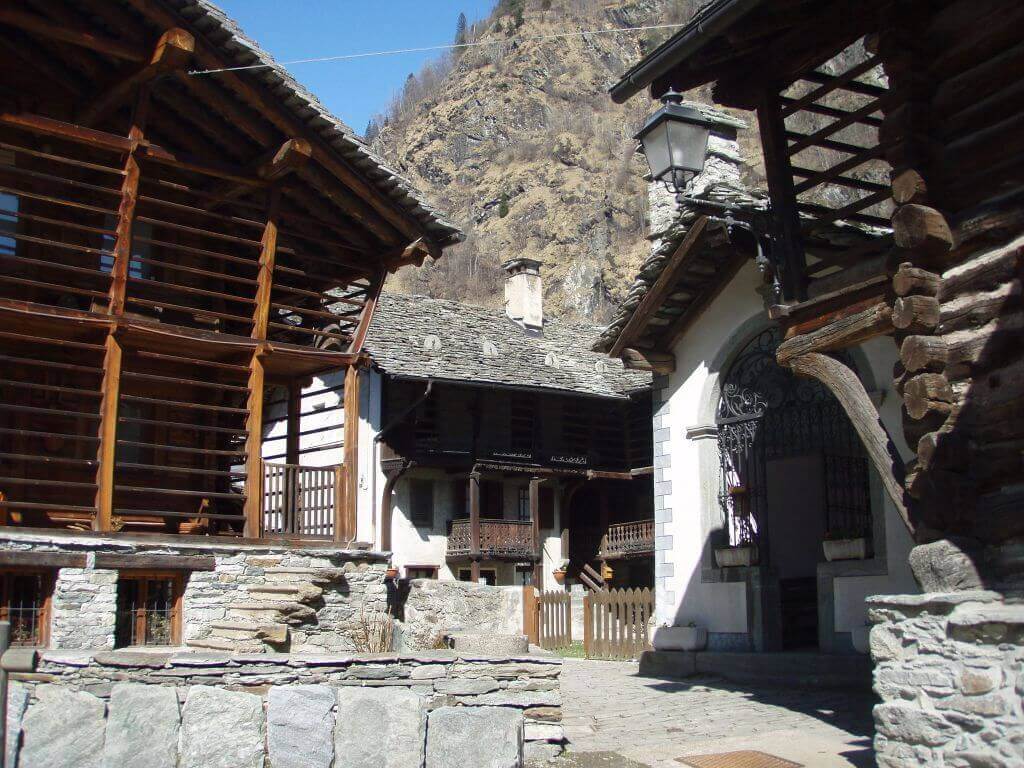
The Alps are also the people who live there. Photographing a Walser stone roof, a hiking pole resting on a wooden door, or a warm window glowing at dusk means giving voice to the living culture of the mountains.
These shots aren’t just beautiful—they’re a heartfelt tribute to the mountains and their people.
Why Tell the Story of the Alps through Photography?
Because it’s a way to take a piece of the mountain home without ever touching it. Each shot is a dialogue, an invitation to slow down, to gather emotions: the effort of the climb, the wonder of the view, the quiet moment shared with a guide who knows every ridge.
On Monte Rosa, these stories become real.
📍 Capanna Margherita, at 4,556 metres, is more than just a hut: it’s light, ice, and history. 📍 The valleys of Alagna, with their Walser heritage, add depth and soul to every image.
To photograph here is an act of respect. A way of saying to the mountains: “I saw you. I lived you. I’ll carry you with me.”
If you’re passionate about mountain photography storytelling, these experiences are the beginning of images that truly speak.
Live Your Story on Monte Rosa
🎒 Want to learn how to turn your photos into stories that speak?
Join our “Photography and Mountaineering at Capanna Margherita” experience. Three days of light, silence, and glaciers, alongside expert UIAGM mountain guides. You’ll see Monte Rosa with fresh eyes—photographing the sunrise from Punta Gnifetti, listening to the glaciers breathe, and telling the mountain’s story through your own.
Have you ever watched someone climb a rock wall and thought, “That looks awesome, I want to try that!” Well, you’re in the right place.
Rock climbing is a complete, challenging, and seriously fun sport. It requires focus, technique, strength—and yes, a good dose of creativity too.
And let’s address the classic doubt straight away: no, you don’t need to be super fit. To start, all you need is the curiosity to try.
In this article, you'll find everything you need to begin rock climbing in Alagna safely, plus tips to level up if you’ve already started. From gear basics to climbing grades, from choosing the right crag to learning the ropes with a qualified guide—we’ve got you covered.
Ready to climb above the trees with views of Monte Rosa?
1. What is Sport Climbing?
Sport climbing takes place on rock faces equipped with fixed anchors (called bolts or "spits") where climbers clip the rope as they ascend. Unlike trad climbing, which uses removable gear, or bouldering, which involves no rope, sport climbing offers a structured and relatively safe way to enjoy outdoor rock.
Climbers aim to follow a defined route using technique, balance, and body strength. It can be practised indoors or outdoors, but in this guide, we’ll focus on outdoor sport climbing in Alagna and the nearby crags.
2. Why Start Climbing? Here Are 5 Solid Reasons
It’s a full-body workout: legs, arms, core—everything gets stronger.
It clears your mind: just you and the rock, total focus.
It’s for everyone: no need to be extreme or ultra-fit.
It gets you outside, in stunning natural surroundings.
It builds trust and friendship: climbing is deeply social.
3. What You Need to Start: Basic Gear
You don’t need much to get started. Most climbing gyms or local guides offer rental gear. Here’s the bare minimum:
Harness: Worn like a belt with leg loops.
Climbing shoes: Tight-fitting, with rubber soles for precision.
Helmet: Always recommended outdoors for rockfall protection.
Rope: A 60 or 70-metre dynamic rope is standard.
Quickdraws: Pairs of carabiners connected by a sling, clipped into bolts.
Belay device: Like a Grigri or ATC, for managing the rope.
Chalk: In powder or liquid form, helps grip when your hands sweat.
Rope bag: Optional, but helps protect your rope from dirt.
And don’t worry—Alagna’s crags are beginner-friendly and beautiful.
4. How to Learn: Better with a Guide
The safest and smartest way to learn is through a beginner climbing course or with a certified mountain guide. You'll learn the climbing moves but, most importantly, safety techniques: belaying, reading routes, falling safely, and rappelling.
You can also begin in an indoor gym to build confidence, then switch to outdoor climbing with better awareness.
5. Route Types & Grades
Each climbing route has a name and a difficulty grade. In Italy, the French grading system is used: 5a, 5b, 6a, 7b, etc.
Difficulty depends on:
Wall angle (slab, vertical, overhang)
Size and spacing of holds
Movement style (power or balance)
6. How to Climb a Route
Read the line: Look for bolts and imagine the moves.
Check the height: Make sure your rope is long enough.
Prepare gear: Tie in, rack your quickdraws.
Focus: Mental clarity is just as key as strength.
Top-out: At the anchor, you’ll find fixed gear for lowering off. Always agree on the descent plan with your partner!
7. Common Mistakes to Avoid
Not knowing safety basics → Always learn from qualified people.
Relying on brute strength → Use your feet and refine technique.
Fear of falling → Practise in safe conditions to build confidence.
Poor communication → Always agree on signals and commands.
8. Climbing Training Tips
Climbing often (indoor or outdoor)
Strength work (pull-ups, planks)
Mobility (yoga, stretching)
Technique drills (footwork, balance)
Most importantly: have fun and keep it varied!
9. Outdoor Ethics & Crag Safety
Don’t hog routes too long.
Avoid climbing after rain—wet rock can be fragile.
Pack out all trash (even others’).
Respect closures for wildlife or regulations.
Double-check your setup before climbing!
10. Want to Improve? Here’s How
Climb regularly: consistency matters.
Try harder routes: even just attempting helps you grow.
Record videos or get coached.
Climb with stronger climbers—you’ll learn loads.
Have fun: progress comes faster when you enjoy it!
Conclusion: A Passion That Can Change Your Life
Climbing is more than just a sport—it’s a way of being. It connects you with nature, with your body, and with your mind. It challenges you, but it also brings incredible satisfaction. Whether you climb 5a or 8a, every route is a journey, and every hold a small victory. If you’re feeling inspired to give it a try… well, you’ve already taken the first step. Want to start with a guide? Get in touch. We’d love to teach you.
Best Crags for Rock Climbing in Alagna Valsesia
Fum Blatte – Best for Beginners
Just above Alagna village, this shaded crag offers short, well-bolted routes from 3a to 5b. Ideal for first-timers or relaxed sessions. Access: 10-15 min easy trail Sun: Morning sun, shade later Perfect for: beginners, kids, hot days
Fun'dScotte – Technical and Precise
A historic wall with routes from 5c to 6c+, vertical and requiring precise footwork. Compact granite and well-bolted lines. Access: 20 min from Riva Valdobbia Sun: Shade until midday Perfect for: climbers looking to refine their outdoor technique
Ghoddu al Buzzo – With a View
Set above the hamlet of Buzzo, this crag offers 5c to 6c+ routes, slightly overhanging in parts, with beautiful natural surroundings. Access: 25 min uphill trail Sun: Good exposure in spring/autumn Perfect for: those who love movement and scenery
Sant'Antonio Boulder – For Grade Chasers
Steep routes from 6c to 7c+, with technical crimping and high concentration required. Located below a sanctuary with epic views. Access: 15 min from Sant'Antonio parking Sun: Best in the afternoon Perfect for: advanced climbers seeking a challenge
Want to try with a local guide?Get in touch. We’d love to take you climbing!
Margherita Hut (4554 m) – the highest mountain hut in Europe – is an ambitious goal for those who dream of high altitude. But reaching it takes respect, time… and strategy. The silent enemy? Altitude sickness and acclimatisation challenges – a common issue that can ruin your experience if not properly managed.
To avoid altitude sickness and acclimatisation issues, a gradual approach is key. Sleeping at altitude – around 2200–2500 metres – is the best way to help your body adjust. Around Alagna, there are three huts that are perfect for this: Barba Ferrero, Ospizio Sottile, and Ferioli. More than just useful stops – they’re full of atmosphere and soul.
Altitude Sickness: what it is and why it matters
Altitude sickness (Acute Mountain Sickness, AMS) occurs when ascending too quickly above 2000–2500 metres, where air pressure drops and oxygen becomes scarce.
It doesn’t matter if you’re a beginner or an expert – your body still needs time to adapt. On Monte Rosa, with peaks above 4000 m, understanding this is essential.
Common symptoms: pounding headache, nausea, fatigue, dizziness, trouble sleeping. They may seem minor but should never be ignored. Serious risks: if neglected, AMS can progress to HAPE (high-altitude pulmonary oedema) – with shortness of breath, wet cough, and cyanosis – or HACE (high-altitude cerebral oedema) – with confusion, coordination loss, and in extreme cases, coma. The key? Prevention and body awareness.
How to Prevent It: Practical Tips
React early: if you feel any symptoms, no matter how mild, descend immediately.
Ascend gradually: above 3000 m, limit elevation gain to 300–500 m per day. Follow the “Climb High, Sleep Low” rule.
Stay hydrated: cold, dry air dehydrates quickly. Drink lots of water and avoid alcohol or caffeine.
Medication: acetazolamide (Diamox) can support acclimatisation. Dexamethasone is used in specific cases. Always consult your doctor.
3 Ideal Mountain Huts to Acclimatise on Monte Rosa
1. Barba Ferrero Hut (2247 m) Tucked in Valsesia with glacier views, this hut is a warm and lively stop. Reach it via trail 207 past Rifugio Pastore, or take the summer shuttle to Alpe Fum Bitz to shorten the walk. Andrea, the host, greets you with homemade polenta, stews, cakes, and a legendary 30-litre genepì bottle. Warm showers, mountain-view rooms, and a genuine atmosphere: acclimatising here feels like a treat.
2. Ospizio Sottile (2480 m) The highest hut in Europe… back in 1825! Once a safe haven for emigrants crossing Colle Valdobbia, it still holds its historic charm. A gentle and scenic path leads from Valle Vogna. Simple rooms, a small chapel, a vintage dance hall – every corner tells a story. A place to slow down and connect deeply with the mountains.
3. Ferioli Hut (2264 m) Run by CAI volunteers, this hut offers postcard views of Monte Tagliaferro. You can hike from Alagna-Pedemonte (direct trail) or take the longer scenic route from Rima San Giuseppe via Colle Mud. Expect hearty soups, bread pudding, and options for dietary needs. The terrace is perfect for an alpine aperitif, and just 20 minutes away, there’s a magical viewpoint.
Why Choose These Huts?
Besides helping your body acclimatise, they give you real mountain moments and heartfelt hospitality. Barba Ferrero offers genuine warmth, stunning views, comfort, and flavour. Ospizio Sottile takes you on a journey into history. Ferioli is simple, scenic, and homey – come for the acclimatisation, stay for the soup and soul.
Final Tips for the Ascent
High altitude is no place for improvisation.
📌 Plan your itinerary carefully.
📌 Listen to your body.
📌 And if you want extra safety and insight
📌 Go with a certified UIAGM mountain guide.
Want to reach Margherita Hut or explore Monte Rosa in full confidence?
➡️ Join our mountaineering course with a UIAGM guide: learn how to use your gear, move safely on glaciers, and enjoy the mountains with confidence.
👉Book your spot– get your lungs and heart ready: altitude requires technique, and the mountains ask for passion.
➡️ Ready for more? Sign up for the advanced mountaineering course: you’ll learn how to manage crevasse rescues and move safely on technical terrain and glaciers.
👉 Reserve your place now – the challenge rises, and so do you
Who is the best Monte Rosa guide?
Does the mountain give nothing? Of course, it does! But every step uphill, every exposed ridge, and every breath above 4000 meters is earned with sweat, training, and a touch of madness. Strong legs alone won’t get you far—you need a clear head too. And when the challenge gets serious, there’s only one thing to do: trust those who live in the mountains and know every inch of rock and ice. The best mountain guides on Monte Rosa are not just experts—they turn every climb into an experience that stays with you forever.
Why is Mountaineering (also) Psychological?
The mountains are the ultimate teacher. They show you that improvisation is a bad idea and that your biggest enemy is often yourself—your fears and doubts.
Clear and Achievable Goals
If you aim for the Cresta Signal without ever having used crampons, something isn’t right. Self-awareness is key: knowing your limits and working on them, step by step.
Leave Stress in the Valley
Simple: when you’re on a glacier, you’re not thinking about emails or bills. Every step requires full concentration. The mountain forces you to live in the present—there’s no better stress relief!
Confidence Grows with Altitude
You don’t need to conquer an 8000-meter peak to feel accomplished. Sometimes, it’s overcoming that tricky section, reaching the summit after a tough climb, or simply taking in a view that makes it all worth it.
Mountains Teach Perseverance
You either find the way or turn back. But if you’re patient, eventually, you figure it out. Trial after trial, you learn. It works in mountaineering just as it does in life.
The best Monte Rosa guides: Who Are They and What Do They Do?
Sure, you can climb alone. But some challenges are best tackled with those who have the right experience. The best mountain guides on Monte Rosa are not just leaders; they are mentors of the mountains. They teach you how to move, manage risks, and most importantly, enjoy the experience without unnecessary dangers.
What Sets a Top Guide Apart?
Knowledge of the Terrain – Monte Rosa is their home. They know exactly where to step—and where not to.
Risk Management – Weather changes? Glacier conditions uncertain? A good guide always has a Plan B (and a Plan C!).
Teaching Approach – They don’t just take you to the summit; they teach you how to get there with your own skills.
Technical and Human Experience – They know when to push you and when to slow down. The mountains are also about mindset.
Monte Rosa doesn’t offer discounts. Every step matters. Are you ready to take on the challenge with the best mountain guides?
Three Must-Try Experiences with a Guide
1. Capanna Margherita (4,554 m) – The Altitude Makes the Difference
It’s the highest mountain hut in Europe, and it’s no walk in the park. Up here, the air is thin, and every step feels heavier. But the reward? Absolutely worth it.
Why Go with a Guide?
They help manage fatigue and acclimatization.
They teach proper progression techniques and risk management on glaciers.
2. Full Immersion 4000 – The Monte Rosa 4000m Tour
Climbing, traversing, pushing beyond. This tour is a dance between peaks, a balance of effort and awe. It’s not just about collecting summits—it’s about a complete high-altitude immersion, where every step is a conversation with the mountain.
Why Go with a Guide?
Keeps you away from dangerous areas.
Lets you experience true mountaineering without unnecessary worries.
3. Punta Dufour – For Those Seeking a True Test
A sharp ridge, vertical rock, full exposure. Punta Dufour is a proving ground for experienced mountaineers, where precision and focus are everything. Here, every step counts, and a UIAGM guide can make the difference between reaching the summit or turning back.
Why Go with a Guide?
They teach you how to progress on mixed terrain.
They prevent you from ending up where you shouldn’t be.
Cardio and endurance: Running, cycling, hiking with a backpack.
Leg strength: Squats, lunges, step-ups.
Altitude adaptation: If possible, spend a few nights at high elevation before your climb.
Conclusion: The Right Guide Makes All the Difference
The mountains don’t change, but how you experience them does. Tackling Monte Rosa with a professional mountain guide means embarking on a journey of growth, reducing risks through experience and preparation, and true adventure.
The best mountain guide on Monte Rosa is not just the one who gets you to the top but the one who teaches you something new about yourself, the mountains, and how to face challenges—both in the Alps and in life.
Looking for an easy 4000 meter peaks in the Alps? Dizzying walls, sharp ridges, and peaks over 4000 meters offer endless views and challenging slopes. On the 4000s of Monte Rosa, solitude, silence, training, and curiosity intertwine in a symphony of emotions. Joy and defeat alternate.
Climbing the easy 4000-Meter Peaks of the Alps: Monte Rosa
Monte Rosa is not just Capanna Margherita. If mountaineering has captured your heart, the 4000-meter peaks of Monte Rosa are surely the challenge you seek. Climbing with UIAGM mountain guides makes this experience accessible and safe.
Climbing Monte Rosa with Alpine Guides
If you ask the mountain guides who accompany climbers on the 4000-meter peaks of the Alps, they will tell you that their villages have short horizons. Alagna, Gressoney, and Ayas are enclosed by mountains, with limited spaces. Those born in the mountains must climb to expand their view of the sunset, and the guides of Monte Rosa love to do this. They will teach you how it’s done, and you will love it too.
The easy 4000-Meter Peaks of the Alps: A Story of a Climb for Many
On Monte Rosa, there are 4000-meter peaks within reach for many climbers, though not for the inexperienced. One truly beautiful ascent is the traverse connecting the Parrot, Ludwigshöhe, and Corno Nero peaks. This traverse is a harmonious blend of ridges and steep climbs interspersed with easier sections. It reaches three summits above 4000 meters without extreme challenges or significant technical difficulties. The route can be completed in two days with moderate elevation gains, making it suitable for climbers who have already taken some steps on glaciers and wish to advance to the next level. It is also a perfect path for those on the hunt for 4000-meter peaks in the Alps.
The night in the hut isn’t always easy
First goal will be to reach the Capanna Gnifetti, the historic base camp for almost all climbs on Monte Rosa. Our journey involves an hour and a half of trail walking with a final equipped section that offers a few thrills.
Although Capanna Gnifetti is cozy, it is located at an altitude of 3647 meters. The rooms are dormitory-style with bunk beds, there are no showers, and there is a large terrace with a view. The atmosphere is bustling with climbers, lively and friendly, and the kitchen serves excellent meals, catering to vegetarians, vegans, those with food intolerances, and food lovers alike. Sleeping isn’t always easy, but you can rest.
A climb on Monte Rosa is never something you can undertake on a whim
In the morning, you will rise early—at 4 or 5 a.m. The guide will choose the time based on the weather, temperatures, and frost conditions. In about two hours, you will reach the Colle del Lys at 4200 meters, where you’ll be greeted by a stunning view of the Matterhorn. It is impossible not to stop and take in the spectacle. I can’t say it will be easy, but it’s a balanced effort that is rewarded with profound emotions. Leaving behind the Capanna Gnifetti amid the muffled sounds of the night, peering into the sleeping valleys, is the beginning of the journey. Following your guide’s footsteps with a clear mind will be the next step. The awareness of the guide’s professionalism adds significant value to the experience.
Punta Parrot
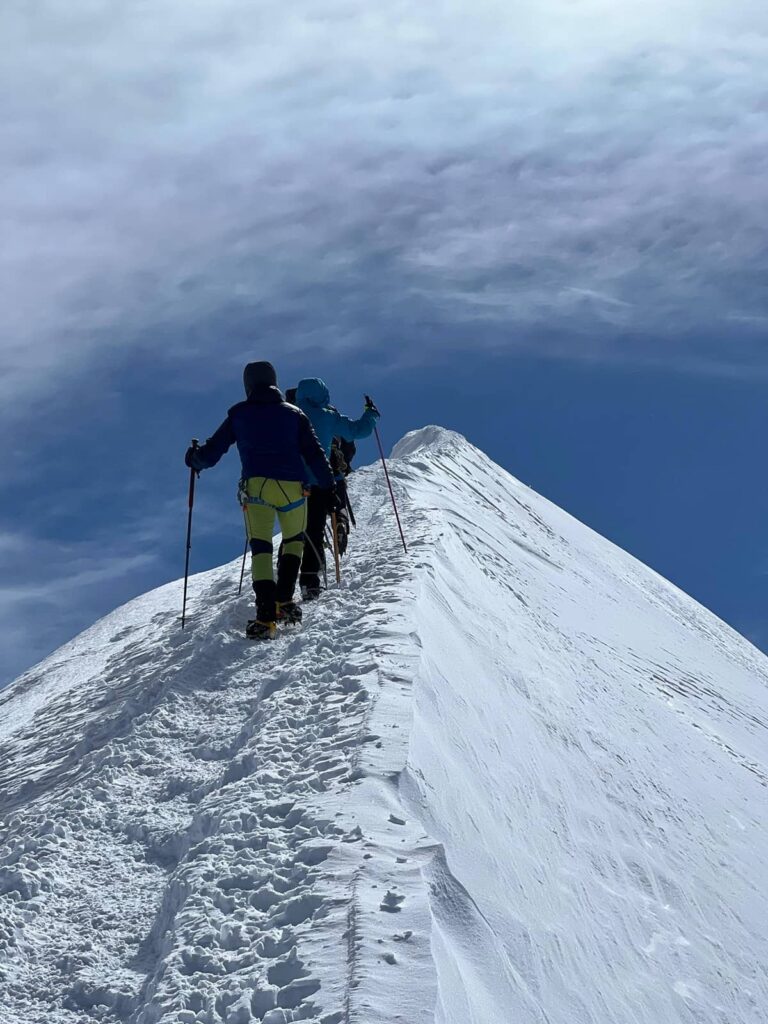
Punta Parrot stands as a prominent feature of Alagna’s skyline, with its sinuous, snow-covered ridge. While it may seem intimidating at first glance, reaching the summit is not overly difficult. The climb to the top is exhilarating and filled with emotions. After a steep ascent, you will suddenly find yourself at the summit, and at first, you might hesitate to look over the edge. From this vantage point, you will see the Valsesia 3000 meters below, a sight you would have imagined from the base of the peak.
As you traverse the crest of this 4000-meter summit, you will quickly adapt to walking along the narrow, snowy ridge. The route is straightforward and gently inclined, making the climb relatively easy. You will come to see it as a preferred pathway through the clouds, with little effort required to follow it. When you finally reach the top, you will stand at an elevation of 4434 meters.
Ludwigshöhe
From Punta Parrot, you will descend along a gently sloping route to the Sesia Col, which offers a more accessible gradient for the descent. The Col itself provides a moment of respite and a chance to take in the surrounding landscape before you embark on the ascent of Ludwigshöhe. This next section involves a short but steep climb up the smooth, rounded ridge leading to the flat summit of Ludwigshöhe, where you will stand at an elevation of 4342 meters. The route up to Ludwigshöhe is brief, but its steep nature and the effort required to climb it are significant, offering a rewarding and breathtaking experience. The knowledge that the rock marking the pre-summit is only 50 meters from the top serves as a mental boost, encouraging you to push through the final stretch and appreciate the stunning vistas from the summit of your second peak in a single day.
Schwartzhorn
From the Colle Zurbriggen, you will ascend a short but steep snow slope with an incline of about 50° to reach the summit. The final part of the climb takes you along a beautiful and harmonious rocky ridge, where the Madonnina statue stands majestically at the very tip of the peak. The careful and mindful movements required for this climb will help you focus on the moment and forget any physical fatigue. As you traverse the snow and ice, you will experience a kind of dance between your steps and the mountain. For me, mountaineering reaches its peak when the body and mind are in harmony. The physical exertion becomes secondary to the pursuit of balance and connection between yourself, the natural world, and your inner self.
The Christ of the peaks
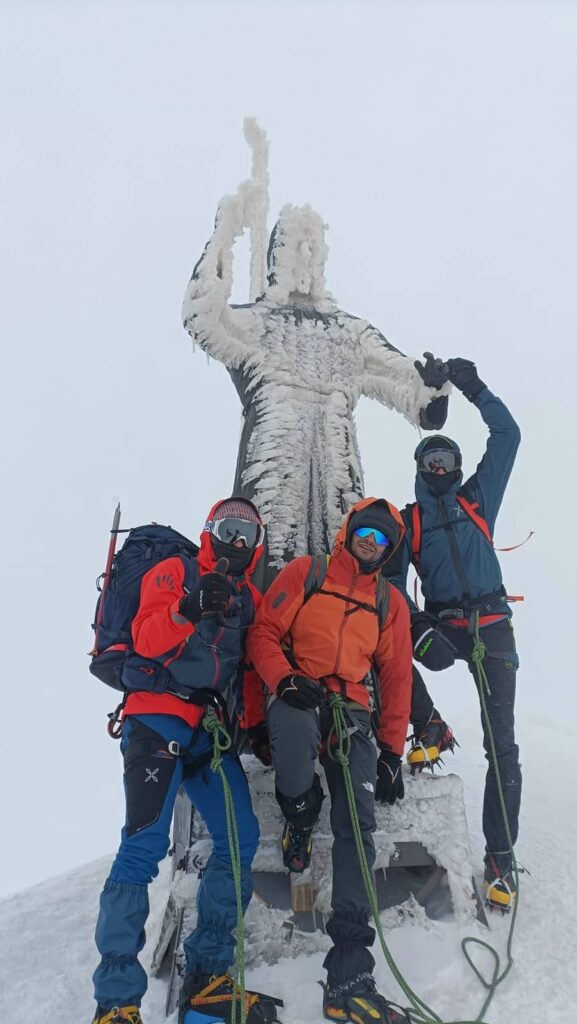
From Corno Nero, a brief descent will lead you to the base of the rock where the imposing statue of Christ of the Peaks stands at 4161 meters. Although I typically oppose the idea of human alterations to natural landscapes, I have to confess that the statue left a profound impression on me. At 3.60 meters in height and subject to the harshest weather conditions, it was entirely white and glistening under a thick layer of ice when I encountered it. Despite my reservations about its presence, I found it to be a touching and awe-inspiring sight. The final approach to the statue involves a short climb up the rock, assisted by steps and a rope, making the ascent both straightforward and enjoyable.
Want to climb an easy 4000 meter peak in the Alps?
Monte Rosa climb. At an altitude of 4633 meters, with 21 peaks over 4000 meters, and a refuge at 4554 meters: the Capanna Regina Margherita. We love climbing Monte Rosa for a thousand reasons.
How to climb Monte Rosa? Certainly, step by step.
Mountaineering is a philosophy of life but above all, a journey that improves with practice. According to the definition given by UNESCO, which has included mountaineering in the Intangible Cultural Heritage of Humanity, it is "the art of climbing peaks and walls in high mountains, in all seasons, on rocky or icy terrain. It involves physical, technical, and intellectual skills, utilizing highly specific techniques, equipment, and tools such as ice axes and crampons."
It goes without saying that one does not become a mountaineer on the first climb, but through a process that progresses step by step and skill by skill, achieved progressively with each climb, improving in awareness, training, and experience. Climbing Monte Rosa is a project, a goal, driven by passion, perseverance, and determination.
How to Start if You Want to Climb Monte Rosa
By training! It is necessary to condition your body to handle elevation gains of at least 1000 meters. Trekking a few times a year is not enough. You need consistency and determination. Fatigue increases by about 25% above 4000 meters. To fully enjoy a climb at 4000 meters, it is essential to prepare adequately, constantly improving your endurance during the ascent. If you can climb 1000 meters without issues at lower altitudes, tackling the climb at 4000 meters will be a rewarding experience.
Want to train with the Monte Rosa guides? Click here.
Many times we attribute the failure of a climb to altitude sickness. When you experience fatigue and dizziness, your legs start to give out, and the weight of the climb becomes evident, it's not altitude sickness, it's a lack of training. Altitude sickness is different: you arrive at the refuge and feel nauseous, vomit, or have a severe headache, struggle to breathe, or feel dizzy without exertion. If you are struggling, it's more likely that you are not sufficiently trained. Remember that a climb should be a positive experience and not an effort beyond your capabilities. This can only be achieved by preparing with adequate awareness.
How to Prepare for Climbing Monte Rosa
Participating in a mountaineering course is certainly a wise choice. Our everyday lives do not help: we work at computers, spend hours in offices, and live in highly urbanized cities where we have lost the ability to manage ourselves in natural environments. It is essential to be informed when going to the mountains, to know how to manage safety, and to be aware of the dangers and how to navigate in an environment that is not our own. A mountaineering course is a necessary step for anyone who wants to climb Monte Rosa with awareness and caution.
Want to join a mountaineering course on Monte Rosa? Click here.
First Steps on Monte Rosa
Attempting day climbs is essential for those taking their first steps into the world of mountaineering. Monte Rosa has several "easy" 4000-meter peaks. The well-balanced Punta Giordani at 4046 meters, the Western Breithorn at 4164 meters offering a full immersion in the Matterhorn environment, the majestic Pyramid Vincent at 4215 meters, or the surprising Cristo delle Vette at 4167 meters are climbs over 4000 meters that can be tackled by beginners, provided they have adequate training. Testing yourself on these peaks before climbing higher and spending the night at altitude is a wise choice.
Want to try an "easy" climb on Monte Rosa? Click here.
The classic climbs of Monte Rosa
When you have gained awareness and training, you can tackle the most sought-after peaks. Climbing to the Capanna Margheritais a dream for many. Reaching the highest refuge in Europe at 4554 meters is an incredible experience that opens up horizons you can't imagine.
For a more comprehensive climb that takes you to a peak with majestic and unspoiled views, Castoris the best choice. The ascent involves steep sections but they are never too long, and it culminates in a short and psychologically manageable ridge, allowing you to engage with the pure essence of mountaineering.
Crossing the Naso del Lyskamm, following in the footsteps of the legendary Mezzalama, is the first alpine traverse to attempt if you want to climb Monte Rosa. The traverse of the Naso, a prominence between the Eastern and Western Lyskamm, offers a picturesque but not overly challenging route, enabling you to cross from west to east while traversing the base of an iconic peak.
Climbing Pollux requires the use of crampons and an ice axe, with sections of rock and snow climbing. It rewards mountaineers with spectacular panoramic views and is ideal for those with some high mountain experience. After a relatively easy start that allows for optimal warming up, the normal route continues with sections of II-III grade rock climbing, ending on a snow ridge. Some passages are equipped with fixed ropes to facilitate progression.
Want to climb one of the classic routes on Monte Rosa? Click here.
Challenges for Those Seeking the Best of Monte Rosa
Monte Rosa boasts many iconic peaks that tell the story of climbs and the climbers who first ascended them. Some of these climbs have become part of collective memory.
Punta Dufour is the highest peak of Monte Rosa and the highest in all of Switzerland. At 4,634 meters, it is a primary objective for mountaineers in the Pennine Alps. On the Italian side, there are two highly coveted routes:
The Normal Route: This route follows the sharp and exposed ridge of the Colle del Papa, reaching the summit ridge on mixed terrain with some third-degree rock passages.
Cresta Rey: A favorite among mountaineers, this route ascends the well-defined Rey spur in the center of the face looming over the Grenz glacier. With fourth-degree passages, it is appreciated for its technical challenge, harmonious line, spectacular views, and the variety of terrains it crosses.
The airy and elegant Lyskamm traverse is known as one of the most technical traverses in the Alps. It requires significant ice and rock climbing skills, unfolding along a sharp and often dizzying ridge that connects the Western and Eastern Lyskamm peaks. This traverse offers an extraordinary opportunity for mountaineers to test their abilities in a severe and stunning alpine environment.
This elegant and precious ascent follows the boundary between the east and south faces of Monte Rosa, combining rock and mixed terrain with accessible difficulties in a high mountain environment. This ambitious and aerial route represents one of the classic ascents of Monte Rosa and is essential in the resume of an experienced mountaineer.
Want to climb one of the classic routes on Monte Rosa? Click here.
With the rising awareness of environmental conservation, mountaineering is gaining popularity by the day. Encouraged to rekindle the connection between humanity and nature, overlooked during the industrialization of the past two centuries, we view mountaineering as a smart avenue to rediscover that lost harmony.
As we discover ourselves day by day, craving non-virtual actions and expectations to cleanse us from routine and return us to real life, we seek engagement with our roots and reinterpret them to suit our modern times. While we're conscious of this deep connection with our origins, it's equally true that 200 years of neglect have left us bereft of practical skills and knowledge. Today, we must learn what was once second nature to our grandparents. We must reclaim dexterity, practical sense, observational skills, intuition, coordination, and awareness that the virtual world has gradually taken away from us. Choose a mountaineering course and reclaim what you've lost.
Venturing into the mountains is a wonderful activity, but it requires skill.
Often, when we envision a high-altitude trek, we're drawn to the mesmerizing photos flooding social media, showcasing majestic landscapes, azure skies, and vanishing snowscapes. Yet, it's vital to recognize that beyond these picturesque images lies a journey fraught with challenges, testing our limits beyond the urban cocoon where we spend a significant chunk of our days tethered to screens.
Proper preparation is paramount, akin to any pursuit. Relying solely on luck is a perilous gamble. Venturing into the mountains ill-equipped can yield grave consequences. Particularly when seeking the mountain's rejuvenating embrace, it's imperative to steer clear of perilous situations resulting from avoidable errors unrecognized in our urban bubbles.
Selecting a mountaineering course on Monte Rosa holds significance for many reasons.
Safety: Mountaineering can be dangerous without the necessary skills. A course provides essential knowledge for safely tackling mountain challenges.
Preparation: Being well-prepared before high-altitude excursions is crucial. A mountaineering course teaches you what to bring without overpacking, ensuring you don't forget anything vital for your safety.
Terrain and Weather Assessment: Learning to assess weather and snow conditions is crucial for planning safe excursions. Knowing potential hazards and how to react in case of an accident helps avoid risky situations.
Equipment Usage: A mountaineering course teaches you how to properly use specific equipment like crampons and ropes, providing the skills to move in the mountains effortlessly and safely.
Responsible Enjoyment: While the goal is to have fun, it's important to do so responsibly and informed. A course gives you the basics to enjoy the mountain environment safely and respectfully.
In summary, taking a mountaineering course prepares you to safely and consciously face the challenges of the mountain environment, allowing you to fully enjoy the experience without unnecessary risks.
Which mountaineering course to pick on Monte Rosa?
If you're a beginner:
If it's your first experience at 4000 meters, a day ascent can be an excellent way to test your altitude resistance and determine if mountaineering is your passion. You'll have the opportunity to learn the use of crampons and ropes and acquire the basics of this beautiful "craft." Available dates are June 1st and 15th. The cost per person is €190. During the day hike to Piramide Vincent, you'll be guided through the wonderful world of mountaineering and provided with necessary basic information.
If you want to gain experience and become self-sufficient above 3500 m:
If your passion is the mountains and you want to prepare to take the step towards 4000 m by acquiring the necessary skills to independently undertake the first steps, this course is for you. The course is held on July 11th, 12th, and 13th. The cost per person is €620. If conditions permit and the group feels ready, you may even reach Capanna Margherita. Without a doubt, you'll return home with all the necessary skills to get started.
If you have experience in high-altitude mountaineering and want to take it to the next level:
If you already have mountaineering experience and are looking for an advanced course, this one is for you. We'll delve into safety techniques, ice axe usage, and crevasse rescue. Additionally, we'll tackle the Nose of Lyskamm together to test you on steep slopes in an exceptionally scenic glacial environment. The course will be held between July 18th and 21st. The cost per person is €1100.
You've dreamed of conquering Punta Dufour and are ready to tackle this challenge with determination and confidence. With a week-long mountaineering course on Monte Rosa, you'll have the opportunity to carefully test your skills and prepare yourself for the ultimate goal. At the end, you'll return home not only with a deeper understanding of mountaineering but also with the pride of having climbed the highest peak of Monte Rosa, becoming a knowledgeable mountaineer fully prepared for future mountain adventures. The course takes place with close-knit groups on a mutually agreed date. The cost per person is €2600.
"Going to the mountains is like returning and rediscovering the connection with the earth, a primal instinct that reconnects you to the origins of life.." Andrea Degasparis, Mountain Guide
Mountaineering is wonderful, it surely is. Like all useless things. No one forces you to do it, but you go, and what you find at the summit is real emotion." Ioris Turini Mountain Guide
5 reasons why you should stop scrolling your phone and start mountaineering
Climbing mountains heals your body Mountaineering requires strength, flexibility, and endurance. You will see your body transformed with balance and harmony. Muscle tone, cardiovascular endurance, coordination, and balance will be at their best.
Efforts embrace your mind Concentration, problem-solving, and determination are necessary traits for those who choose to practice mountaineering. Exercising the art of testing yourself despite fatigue is a caress for your mind's well-being. It trains you not only for success but to challenge your potential.
Determination feeds your heart The unexplored and beyond, away from habits, daily life, cities, and noise, make you feel alive. When you pursue this goal with determination, the love you receive from yourself will warm your heart with new perspectives and empathy for others.
Silence clears your doubts Walking silently in nature clears your thoughts. It shows you the right perspective to evaluate the limits of the self, facing you with the vastness of creation.
Mountaineering teaches fear In the mountains, it's normal to feel fear, but it's essential not to let it turn into panic. Fear brings with it an intensity that enhances concentration and adrenaline, and it's precisely this intensity that enriches the experience. It is crucial to manage fear so that it does not become paralyzing. Thus, by facing it, you can fully enjoy every moment and in the end, you will feel the great satisfaction of having overcome it.
How to take the first steps on Monte Rosa (and surroundings)
Our tips for getting started are simple: follow each action carefully and consciously. Every activity requires a certain level of skill, but with mountaineering, precision is essential. You must be attentive to every detail: from equipment to weather forecast, from estimated climb times to ensure you have time to return, to the thorough study of the environment you are moving in. Pay particular attention to every step because in the mountains, safety comes first.
What are the best climbs to take the first steps in mountaineering on Monte Rosa
Giordani's peak 4046 m: without technical difficulties but with fairly sustained and continuous slopes, with a short final rush to reach the rocks of the summit. Giordani's Peak is the southernmost 4000er of the Monte Rosa massif, and the view from its summit of the south wall of Monte Rosa is breathtaking!
WestBreithorn 4164 m: a total immersion in the Matterhorn environment with a fairly contained elevation gain to reach the summit.
Vincent Pyramid and the Christ of the Peaks 4215m: the peak that dominates the three Italian valleys of Monte Rosa: Valsesia, Valle del Lys, and Val d'Ayas. From its summit, the view extends from Mont Blanc to theMaritime Alps.
If you already have climbing experience, the Soldato Ridged is a must. A varied route but never particularly exposed, it is not difficult and never banal, offering a perfect mix of challenge and majestic scenery.
Would you like to join the Monte Rosa guides for a training session that not only prepares you physically but also enables you to adopt an active and rewarding lifestyle?
Write to us! We'll discuss the details of the training and the planned routes together. We'd love to provide you with all the necessary information to help you prepare and participate with the energy and dedication that such an enriching experience deserves.
Choosing the right gear depends on the ascent you've chosen, weather conditions, and expected temperatures. To best prepare yourself, consider your habits and personal needs. If you're someone who feels the cold, it's important to focus on keeping your upper body warm. If, on the other hand, your legs tend to overheat, make sure to wear lightweight, breathable clothing on the lower part of your body. The head is a critical point for body heat dispersion. If you're prone to feeling cold, ensure it's adequately covered. If you can't stand having your temples exposed or if your ears are particularly sensitive to the cold, protect them with a hat or ear covers.
When packing your backpack, make sure to bring only the essentials, avoiding excess. Carefully evaluate whether the items you've chosen are truly necessary. Reducing weight on your shoulders will make your climbs less demanding. In summary, customize your equipment according to your specific needs to ensure maximum comfort and safety during the hike.
Technical and non-technical gear
Reflecting on the considerations made, consider the following advice:
Layer your clothing, five layers are good, so you can add or remove clothes depending on conditions. In the mountains, you may be sheltered from the wind at one moment and then exposed to it at another, resulting in temperature variations.
Make sure to adequately cover peripheral parts of the body. Hands, feet, ears, and nose should be kept warm and protected.
Choose a spacious but not excessively large backpack. A capacity of around 30 liters is fine for easy climbs of one or two days. Avoid carrying unnecessary items to reduce weight on your shoulders and make walking easier.
Protect your eyes by wearing sunglasses with lenses that have adequate level 3 or 4 sun protection.
Pay close attention to footwear: it should be warm, stiff, waterproof, and ankle-high. You have several options to choose from, and if necessary, you can even rent them. They don't need to be the latest generation shoes, but you must ensure they protect the foot. They should not allow moisture to penetrate and should have a rigid sole to use with crampons. Hiking boots are not suitable.
Prepare the essential technical equipment: crampons, harness, rope, and ice axe are indispensable. But make sure you are well prepared and competent in using such tools.
Train, Train, Train
Approaching high-altitude mountaineering should be gradual. Training is important, but without overdoing it; it's okay to train progressively, starting with climbs on more modest elevations and gradually increasing altitude. Setting realistic and achievable goals is crucial, but most importantly, you should find happiness in the activity.
Engaging in mountaineering should be a source of joy, not another stressful commitment. Keep your mind free and open to enjoy the emotions that the journey offers you. However, it's important to approach this challenge with caution. As Andrea Tamilla, Monte Rosa guide, says, "Mountaineering is a challenge with oneself. Just as Ulysses was enchanted by the sirens, the mountaineer is also attracted by the charm of the mountain and cannot avoid it, but it is essential to be aware of the importance of returning to everyday life".
If you don't feel ready to tackle high-altitude mountaineering on your own, consider starting your journey with the help of the Monte Rosa guides. These professionals can accompany you during training and offer specific introductory courses to prepare you best.
Have you set your sights on summer 2024 as the ultimate time to chase your dream of becoming a mountaineer?
Read our training tips to reach the goal of Capanna Margherita.
The critical points to consider:
Above 3000 meters, reduced oxygen levels lead to a significant decline in physical performance, typically around 25% for well-trained individuals.
Ascending above 3000 meters transitions from trekking to alpinism, demanding meticulous preparation and consistent training.
Glacier travel necessitates technical gear such as crampons, harnesses, and ice axes, alongside specialized warm and waterproof attire.
Sleeping above 3000 meters presents challenges; arriving well-rested and mentally prepared is crucial for embracing the adventure.
Altitude-induced ailments, while not prevalent in severe forms, demand vigilance. Being capable of recognizing symptoms and knowing when to halt or retreat is essential.
Check out our advice on equipment, clothing, and altitude sickness here.
(Enable English subtitles.)
Copy the checklist of everything that shouldn't be missed:
- 5 layers for the upper body (thermal shirt, spare shirt, fleece, heavier fleece, down jacket, windproof shell)
- 2 pairs of gloves (lightweight and ski gloves)
- windproof mountaineering pants
thermal leggings
- gaiters and mountaineering boots
- two pairs of ski socks
- hat that covers ears well
- Sunglasses with good sun protection (category 3 or 4)
- Sunscreen and lip protection
- Ice axe, crampons, and harness
- Headlamp
-Sleeping bag liner
- 1-liter water bottle/thermos
- Telescopic trekking poles
- Helmet (optional)
Pay close attention to the boots you will use.
Mountain boots must be warm, ankle-high, and waterproof. Hiking shoes are not suitable. Boots can be rented, ensuring proper footwear at a reduced price. In Alagna, you can rent boots at Base Camp at the start of the lifts.
Capanna Margherita training
Before the ascent, we recommend hiking in the mountains with around 1000 meters of elevation gain. Achieving a 1000-meter elevation gain in 3 hours is a good starting point for a successful high-altitude climb.
The Monte Rosa guides train together throughout the spring because training in a group is more motivating and enjoyable. At the end of each day, with their coaching, you'll have the opportunity to assess your progress and receive personalized advice on how to improve your preparation.
You might be physically fit but feel unprepared to use crampons or concerned about roped progression?
The Monte Rosa guides offer a three-day course to begin exploring Monte Rosa with a mindful perspective. They'll teach you to acclimate to altitude, learn to use crampons, navigate glaciers, and then together, reach Capanna Margherita after a coaching journey that will mold you into an alpinist. If you lack experience, the coaching from the Monte Rosa guides is the perfect training ground to reach the summit.
As the first snow begins to fall, the magic of winter envelops Alagna Valsesia, transforming it into a perfect destination for a mountain weekend. Far from the chaos of Christmas shopping and the hustle and bustle of the city, Alagna offers a serene refuge for those looking to slow down and breathe in tranquility.
A Dreamy Winter Landscape
Alagna, with its wooden cottages and snow-covered landscapes captivating from the first glance, captures the heart of anyone who visits. The view of an enchanted village, seen from above through the zoom of a drone, marks the beginning of an unforgettable experience.
Exploring the Beauty of Alagna
A tour around Alagna reveals wooden constructions of extraordinary beauty, unique and harmonious architectures that almost seem unreal. The cobblestone streets, monolithic fountains scattered everywhere, and the intimate and welcoming Walser villages offer a complete immersion in the culture and history of the place. Here, life flows slowly and relaxed, allowing aimless walks through alleys and meadows, and moments of pure relaxation in the tranquility of the landscape.
Winter Activities for Everyone
For snow lovers, Alagna does not disappoint. With its extraordinary opportunities for skiing, snowshoe walks, and exploring snowy trails, every visitor can find their favorite way to enjoy the winter landscape. From the fraction of Sant’Antonio to the fraction of Peccia, and beyond, fairy-tale landscapes unfold, perfect for those seeking adventure or simply a moment of peace in the midst of nature.
An Oasis of Peace and Beauty
Alagna, with its winter charm, is the ideal place to break away from routine and immerse oneself in an atmosphere of peace and beauty. Whether it's a solitary walk or a warm drink in one of the many picturesque corners of the village, Alagna offers a winter experience that goes beyond mere tourism, touching the soul and leaving indelible memories.
Alagna Valsesia, with its enchanted atmosphere, is not just a winter destination: it's an experience to live and narrate. A place where time seems to stand still and where every moment becomes a precious memory.
Culture into the wild
As soon as you emerge onto the plain of Otro, you are greeted by the extraordinary wooden architecture of the houses and the oratory dedicated to the Madonna of the Snow in the Follu hamlet. We know little about the origin of the original oratory, which probably dates back to the late 16th or early 17th century. However, we do know with certainty that it was demolished and rebuilt, moving its front and orientation in the 1650s. The date 1659 can be read on the door lintel. In 1661, it was blessed again, but just a few years later, a request was made for a new modification: the enlargement of the choir to provide "greater comfort for participants in the festival."
In the 1697 episcopal visit report by Monsignor Visconti, it is written: "Renew the Pyx for the Sick, at the same time providing the little canopy for it in white silk with its cords as prescribed, and have the Paten gilded, which will all be done within three months; otherwise, both shall remain suspended. As the inhabitants of this place wish to expand the choir, both to provide greater convenience for festival participants and to increase the light in the oratory, we grant permission on the condition that the design is approved by us first."
Inside the oratory, there is a 18th-century painting above the altar representing the theme to which the oratory is dedicated. In the painting, you can see the Virgin with the Child, and in the background, the story of the miraculous Roman snowfall on August 5th. In the background of the painting, Pope Liberius is clearly visible, delineating the perimeter of the new church dedicated to Sancta Maria ad Nives. The scene on the left, which seems to depict a martyrdom, is more difficult to read and interpret, but it's worth investigating further. In the lower right, there is an inscription that provides some information about the patron and is interesting from a linguistic perspective: DISES QUADER HAT LASSEN MACHEN DER ERSAM MEISTER ULRICH BUNDER ODER IIANEN 1709.
Translation: This painting was made by the honorable master Ulrich Bunder (or Janen) in 1709. The text is in German, but the sentence structure is typical of the Alagna dialect, with some Romance influence. We don't know the name of the author, but they were probably a local painter.
In 1865, the builders of the oratory decided to install a new chaplain (der Kaplan) who would also be responsible for teaching at the local school. In 1867, construction began next to the church on a house suitable for housing the chaplain, and inside there was also a room dedicated to the school.
This small church has been and continues to be the spiritual and social center of the valley. On August 5th (the day when tradition celebrates the Madonna of the Snow), for many centuries to the present day, it has been a day of great celebration with which Otro and its inhabitants involve and attract hundreds of people."
THE APOGEE OF COLORS!
Imagine a range from brown to intense yellow and look around you.
Imagine a range from brown to intense yellow and look around you. Autumn foliage is as explosive and stunning as it can get. The walk that goes from Montella to the hamlets of Rusa and Goreto passes through a majestic forest of beech trees with flaming red crowns. In the past, beech leaves were collected and used to make "pagliericci" (mattresses) because wool was precious and used for clothing.
In the hamlets, the houses are ancient, and the dark color of the larch wood bears witness to their age. The roofs in the villages touch and embrace each other in a dance that has lasted for centuries.
There is plenty of snow in the long winters, but the paths between the houses remain accessible and free thanks to their proximity.
From Rusa, crossing a small stream, we see the remains of ancient mills and reach the hamlets of Piane and Dosso. Oratories, chapels, bread ovens, and monolithic fountains testify to the life of the so-called Dorf (independent villages).
If you're in the Vogna Valley, head up to Selveglio from Ca’ d’Janzo and tour the upper hamlets all the way to Peccia. Here, the wild cherry trees light up in intense red and guide you along the path.
The grazing cows take advantage of the last grass, having recently descended from the alpine pastures, and the shepherd is ready to sell his products (DE.CO). You can taste them from the terrace of the Dosso hamlet while admiring Alagna from above.
October is also a time for reflection, with the Procession of the Flowery Rosary being particularly significant. It starts at the small chapel of Flua and reaches the oratory of Sant'Antonio. The faithful wear the ancient Walser costume, with colorful shawls and precious bodices. The procession is meant as a thanksgiving for the good summer season and a prayer for their deceased loved ones.
The days grow shorter, but when the village is in shadow, the people follow the sun as it lingers on the slopes and slides toward the peaks. The most well-known solarium is the Piana Fuseria hamlet, situated on a terrace facing the village of Riva Valdobbia. The view stretches from Monte Rosa to the Vogna Valley.
If you're lucky, as the sun sets, you might see the deer and hear their roaring. It's the mating season, and the males are calling out to the females... but to win the hearts of the beautiful does, they must first establish their dominance 😊."
The 'Climate Corners' project was born through collaboration between the Municipality of Alagna, the University of Turin, and the environmental organization Protectourwinters (POW) Italia. The so-called “information corners” to be shown in strategic places around Alagna, like Piazza Grober, are at the heart of the project. They represent a path toward sustainability to face the climate challenge of the Monte Rosa glaciers. The goal is to raise awareness among tourists and future visitors in the region, making scientific information on climate change readily available. The projects of the three organizations involved will be showcased, along with an ethical guide to collectively tackle this challenge.
Through posters, banners, videos, and clips, we'll share information on three main themes:
1.) Simple Science: We'll provide understandable scientific information, with references and insights into studies and articles. This section will explain the current state of our glaciers.
2.) Ongoing Projects developed in collaboration between the Municipality of Alagna and the University of Turin (Department of Earth Sciences, Department of Agricultural, Forest and Food Sciences, and Department of Management). These projects cover areas like mountain geology, environmental monitoring, cultural heritage preservation, and more. The University of Turin also leads the Angelo Mosso Scientific Institute at Passo dei Salati, offering a unique space for research, training, and outreach in fields like high-altitude medicine, meteorology, glaciology, and more, related to climate change. Here are some examples of projects we'll present: Nodes - Nord Ovest Digitale e Sostenibile, ArcticHubs, Carovana dei Ghiacciai, Campagna glaciologica ai ghiacciai valsesiani, Mosso Days-La Scienza Divertente, RigeneRosa, Alagna Plastic free, Alagna Walser Green Paradise, e molti altri.
The practical part of this theme will include a list of tips for tourists on how to contribute to safeguarding Alagna and its glaciers in the fight against climate change. These tips include issues like sustainable transportation, recycling, using reusable bottles instead of plastic, local km0 food and drinks, and more.
The tips reflect two key POW concepts: "You don't have to be perfect to help with climate action, but it's important to strive for improvement instead of perfection. If each of us does our part, step by step, we can really make a difference."
3.) Join the Outdoor Adventure: Here, you'll discover how to join POW's outdoor adventure and learn about projects related to sustainable mobility, slow tourism, and regional development. POW Italy aims to be more active in the western Alps, particularly in Alagna (POW IT is presently based in Trentino). E.g., Climate Talks, POWFACTory, Reframe your journey, ecc.
POW is a politically independent, non-profit organization for outdoor enthusiasts who have decided to act against the climate challenge.
Authors: Pär Johan Åstrand (POW), Cristina Viani (University of Turin).
Welcome to Monte Rosa, where the majestic mountain merges with the enchanting surrounding villages, each with its own unique history.
Central Villages:
Alla Chiesa: A late Gothic church dedicated to St. John the Baptist, featuring artworks and tombstones that narrate the stories of local families. Precious monuments pay tribute to the fallen of the world wars.
Pedelegno: A medieval "Castle" transformed into a private residence, accompanied by a small square with a fountain dedicated to a local benefactor.
Riale Inferiore: Here, the "Oratorio della Visitazione" and the chapel to the Blessed Virgin Mary speak of faith and art. A large stone cross commemorates a natural disaster.
Giacomolo: Historic buildings, including the home of theologian Giuseppe Farinetti and the Oratory of San Defendente, tell stories of individuals and families that shaped the area.
Resiga: Along the path to Valle d'Otro, an ancient sawmill powered by the cascade of Otro and an oratory dedicated to St. Anthony reveal local history.
Riale Superiore: The 18th-century "Apiario," where beekeeper Giacomo Bertoli produced the famous "honey of Monte Rosa," and the Oratory of San Pantaleone are hidden gems to discover.
Ancient Villages:
Alla Chiesa: The Casa del Parroco Bruno with a Latin inscription and the Monte Rosa Hotel begin the journey into the ancient villages.
Ponte: After the square of hotels, Ponte, rebuilt after a fire, narrates a tale of resilience.
Pedemonte: A square with an ancient fountain and the Walser Museum represent history and culture.
San Nicolao: This village takes its name from the chapel destroyed by a flood, with the Oratory of San Nicolao telling of faith and history.
Uterio: Ancient mills, a bread oven from 1676, and the oratories of Santa Maria Maddalena and St. Anne reflect tradition and faith.
High Villages:
Goreto: An inscription of a 19th-century meteorological observatory reminds us of science and nature observation.
In D'Ekku: Ancient Walser houses from 1568 are windows into the past.
In D'Stiz: A small village along a mule track offers a taste of mountain life.
Each village of Monte Rosa is a journey into history and the beauty that enriches this magnificent region.
During your trekking adventures in Alagna Valsesia and Monte Rosa, you will have the opportunity to encounter a diverse and fascinating wildlife. Here are some of the animals you might come across during your excursions:
Alpine Ibex: Skillful climbers often spotted at high altitudes. Maintain a respectful distance and do not feed them
Marmot: Curious and adorable creatures inhabiting meadows and rocks. Enjoy observing their natural behavior from a distance.
Golden Eagle: Majestic predatory birds frequently sighted in the alpine regions. Observe them discreetly from a safe distance.
Snow Hare: Cute rodents known for their camouflaging abilities. Be quiet and avoid disrupting their behavior.
Alpine Chamois: Symbol of the Parco Naturale Alta Valsesia, the chamois is one of the most sought-after sightings. Respect their space and maintain distance.
Helpful Tips for Coexisting with Wildlife:
To ensure the well-being of the animals and fully enjoy wildlife sightings during your treks, follow these guidelines:
Maintain a distance: Respect their personal space and avoid getting too close to wild animals.
No disturbance of nests: During the breeding season, avoid approaching nests to prevent disturbing the activities of parents and offspring.
No human food: Refrain from feeding wild animals. Human food can be harmful to their health and natural behavior.
Silence and calm: Be quiet and calm during sightings to avoid startling the animals.
Stick to designated trails: Stay on designated paths and follow the guidance of parks and nature reserves to protect the animals' habitat.
No flash photography: If you wish to take photos of the animals, disable the flash on your camera to avoid frightening them.
Leave only footprints: Carry all trash with you and respect the natural environment around you.
By adhering to these coexistence tips, you can have an unforgettable experience, respecting the wildlife and preserving the integrity of this precious ecosystem. Happy trekking and happy wildlife encounters in Monte Rosa!
Get inspired
Book with Monterosa Booking, call the number 0163 1900925